Home
Home
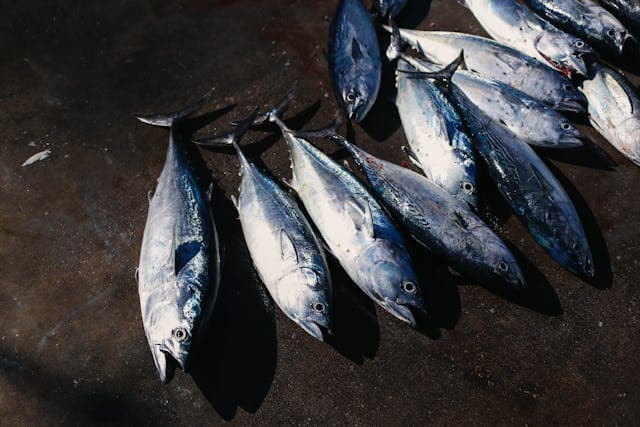
Can dogs eat tuna? Yes, dogs can eat tuna in moderation, but it should be prepared properly and given sparingly.
Tuna is a type of fish that many people enjoy for its taste and health benefits.
When it comes to sharing this seafood with dogs, there are several considerations to keep in mind.
Is Tuna Safe for Dogs?
While tuna is not toxic to dogs, there are several factors to consider before feeding it to your furry friend:
- Mercury Content: Tuna, especially larger species, can contain high levels of mercury. It’s important to limit the amount of tuna your dog consumes to avoid mercury poisoning.
- Preparation: Tuna should be cooked and served plain. Canned tuna can be an option, but it should be in water, not oil, and without any added salt or spices.
Nutritional Benefits of Tuna for Dogs
Tuna offers several nutritional benefits when included as a small part of a balanced diet:
- Protein: Tuna is a great source of protein, which is essential for your dog’s muscle development and energy.
- Omega-3 Fatty Acids: These fats are good for your dog’s skin and coat health and can help reduce inflammation.
Risks of Feeding Tuna to Dogs
Despite its benefits, there are risks associated with feeding tuna to dogs:
- High Sodium Content: If opting for canned tuna, choose one with low sodium content to avoid health issues related to high salt intake.
- Allergic Reactions: Some dogs may be allergic to seafood, including tuna. Watch for any signs of an allergic reaction, such as itching, swelling, or gastrointestinal upset.
How to Safely Feed Tuna to Your Dog
Due to concerns about mercury, it’s best to give tuna as an occasional treat rather than a regular part of your dog’s diet.
Ensure the tuna is cooked thoroughly and served plain. Avoid any seasoning or sauces that could be harmful to your dog.
Healthy Protein Alternatives to Tuna for Dogs

For dogs, there are several alternatives to tuna that can provide similar nutritional benefits without the risks associated with mercury content or high sodium levels. Here’s a list of safer fish and protein sources:
- Salmon: Rich in Omega-3 fatty acids, good for skin and coat health, and generally lower in mercury than tuna.
- Sardines: Typically lower in mercury, high in Omega-3 fatty acids, and can be fed with bones for added calcium.
- Flounder: A milder fish that’s lower in fat and easy on a dog’s digestive system, also typically lower in mercury.
- Chicken: A lean source of protein that’s widely accepted as safe for dogs when cooked and unseasoned.
- Turkey: Another lean protein, offering many of the same benefits as chicken.
- Lean Beef: High in protein and essential vitamins and minerals, served cooked and plain.
Conclusion
Dogs can have tuna, but it should be given in moderation and with careful preparation to avoid potential health risks.
As with any dietary change or new food, it is advisable to consult with your veterinarian first.
They can provide guidance based on your dog’s specific health conditions and dietary needs.