Home
Home
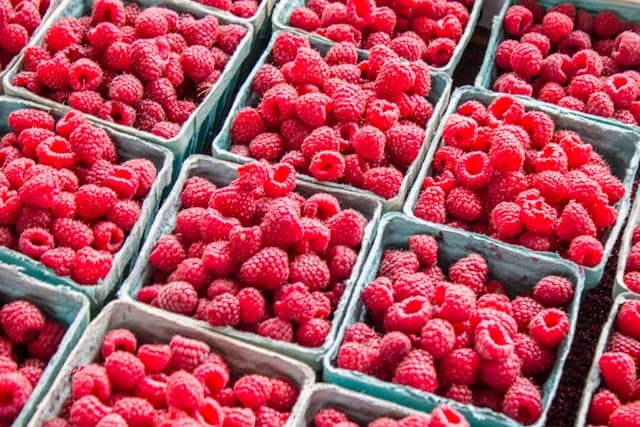
Can Dogs Eat Raspberries? Yes, dogs can eat raspberries, but they should be given in moderation.
These berries are low in calories and sugar and contain antioxidants, fiber, and vitamins, which can be beneficial for dogs.
Nutritional Benefits of Raspberries for Dogs
Raspberries offer several health benefits for dogs:
- Antioxidants: They are rich in antioxidants, which can help reduce inflammation and may support older dogs with joint issues.
- Fiber: Raspberries have a high fiber content, which can aid in digestion and help maintain bowel regularity.
- Vitamins: They are a good source of vitamin C, manganese, and vitamin K, all of which contribute to a healthy diet.
Considerations and Potential Risks
While raspberries are safe for dogs, there are a few considerations to keep in mind:
- Xylitol: Raspberries contain trace amounts of xylitol, a natural sweetener that is toxic to dogs in larger quantities. However, the amount of xylitol in raspberries is typically very low and not considered harmful unless consumed in large quantities.
- Caloric Intake: Due to their sugar content, raspberries should be given as a treat, not as a staple of your dog’s diet.
- Choking Hazard: Their small size can pose a choking risk, especially for small dogs, if not chewed properly.
How to Safely Feed Raspberries to Your Dog

To safely incorporate raspberries into your dog’s diet, consider the following tips:
- Wash Thoroughly: Always wash raspberries before giving them to your dog to remove any pesticides or contaminants.
- Moderation: Limit raspberries to a few at a time to prevent any issues from the natural xylitol content and to keep sugar intake low.
- Mix with Other Foods: You can mix raspberries with other dog-safe fruits for a healthy treat mix, such as blueberries and sliced apples.
Alternatives to Raspberries
If you’re looking for other safe berry options, consider:
- Blueberries: Known for their antioxidant properties, they are also safe and beneficial for dogs.
- Strawberries: High in fiber and vitamin C, these berries are another good option but should also be given in moderation.
Conclusion
Raspberries can be a healthy treat for dogs when given in moderation due to their antioxidant, fiber, and vitamin content.
However, due to their natural xylitol content and sugar levels, it’s important to limit the amount your dog consumes.
Always introduce any new food into your dog’s diet gradually and observe for any signs of adverse reactions.
For any concerns about feeding your dog raspberries or other fruits, consult your veterinarian to ensure they fit well with your dog’s health needs and dietary requirements.