Home
Home
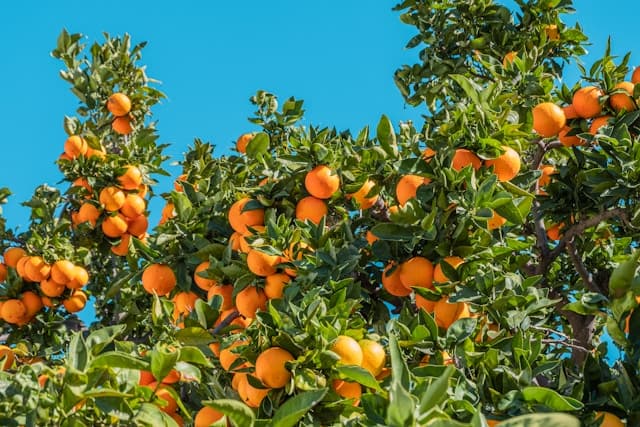
Yes, dogs can safely enjoy oranges, but moderation is key. These citrus fruits offer a refreshing treat with a host of nutritional benefits. However, their sugar content calls for restraint to prevent any health issues.
Nutritional Benefits of Oranges for Dogs
Oranges are more than just a tasty snack; they’re a powerhouse of essential nutrients that can be beneficial for your dog:
- Vitamin C: Boosts the immune system and can help reduce inflammation.
- Potassium: Essential for proper heart function, muscle development, and fluid balance.
- Fiber: Promotes a healthy digestive system, helping to keep bowel movements regular.
Despite these benefits, it’s important to remember that dogs don’t require fruits in their diet to achieve nutritional balance, as high-quality dog food already contains everything they need.
Think of oranges as a bonus treat rather than a dietary necessity.
How to Serve Oranges to Your Dog

To ensure your dog enjoys oranges safely, follow these simple guidelines:
- Peeling is a Must: The peel of an orange is tough on a dog’s digestive system and could lead to intestinal blockages.
- Seed Removal: Although a few seeds are unlikely to cause harm, they can pose a choking hazard and contain trace amounts of cyanide.
- Portion Control: Begin with a small piece to gauge your dog’s interest and watch for any adverse reactions. A general rule is that treats should not make up more than 10% of your dog’s daily caloric intake.
Potential Downsides to Feeding Your Dog Oranges
While oranges are safe for dogs, they are not suitable for every dog. Consider the following before introducing oranges to your dog’s diet:
- Sugar Content: Oranges are high in sugar, which can lead to obesity or dental problems in dogs if consumed in excess.
- Acidity: Some dogs might find the acidity of oranges unsettling, leading to stomach upset or diarrhea.
- Allergic Reactions: Though rare, some dogs may be allergic to oranges. Symptoms could include itching, redness, or gastrointestinal distress.
Can Dogs Have Orange Juice?

It’s best to avoid giving your dog orange juice.
The juice lacks the fiber of the whole fruit and concentrates the sugars and acids, which could lead to stomach upset or contribute to obesity.
Experimenting with Fruits in Your Dog’s Diet
Introducing a variety of safe fruits into your dog’s diet can provide enrichment and nutritional variety.
Apples (without seeds), bananas, and blueberries are all excellent choices that many dogs enjoy.
As with oranges, these should be offered in moderation and prepared safely to avoid any health issues.
Final Thoughts on Dogs and Oranges
Offering your dog a slice of orange can be a sweet treat that’s both enjoyable and packed with nutrients.
However, it’s essential to introduce this new food slowly and in small quantities to monitor their reaction.
Always prioritize your dog’s overall diet and health, ensuring they receive balanced nutrition tailored to their specific needs.
If you’re ever unsure about introducing new foods to your dog’s diet, consulting with a veterinarian can provide personalized advice and peace of mind.
This way, you can enjoy sharing life’s little pleasures with your furry friend, knowing you’re keeping their best interests at heart.