Home
Home
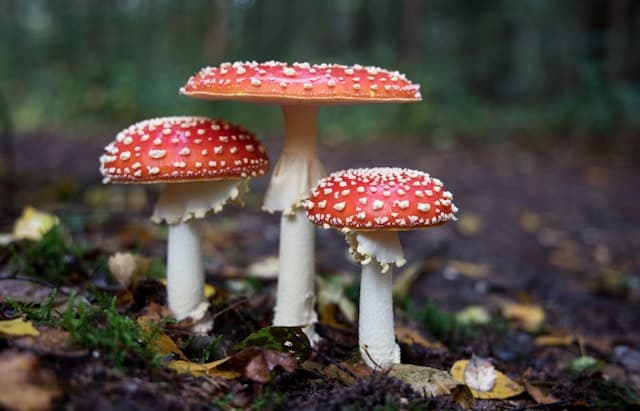
Can Dogs Eat Mushrooms? Yes, dogs can eat mushrooms, but only certain types that are known to be safe and non-toxic.
While store-bought mushrooms used in human cuisine can be safe for dogs, wild mushrooms should be avoided due to the high risk of toxicity.
Safe Mushrooms for Dogs
The types of mushrooms that are safe for dogs are the same ones that are safe for humans. These include:
- White Button Mushrooms: Common in many kitchens, these mushrooms are safe for dogs when cooked plain without seasonings.
- Cremini Mushrooms: Also known as baby bellas, these are essentially immature Portobello mushrooms and are safe for dogs.
- Portobello Mushrooms: Larger than cremini, these mushrooms are safe as long as they are cooked without garlic, onions, or other harmful additives.
Preparing Mushrooms for Dogs
When feeding your dog mushrooms, always follow these preparation tips:
- Cook Plain: Mushrooms should always be cooked plain, without added oils, butter, salt, onions, or garlic, which can be harmful to dogs.
- Wash Thoroughly: Always wash mushrooms thoroughly to remove any pesticides or contaminants that might be present on their surface.
- Cut into Small Pieces: To prevent choking, especially in smaller dogs, cut mushrooms into small, manageable pieces.
Risks of Feeding Mushrooms to Dogs
While certain mushrooms are safe, there are significant risks associated with others:
- Wild Mushrooms: Many wild mushrooms are highly toxic and can cause severe reactions or even death. Symptoms of mushroom poisoning include vomiting, diarrhea, lethargy, jaundice, and seizures.
- Allergic Reactions: Like people, dogs can be allergic to mushrooms. Introduce mushrooms into your dog’s diet gradually and watch for any signs of an allergic reaction, such as skin rashes or gastrointestinal upset.
Why Some Mushrooms Are Dangerous
The dangers of wild mushrooms stem from their varied toxicity. Some contain compounds that can severely affect your dog’s health:
- Amanitin Toxins: Found in Amanita mushrooms, these toxins can cause fatal liver and kidney damage.
- Muscarine: Found in Clitocybe and Inocybe species, this can lead to excessive salivation, tearing, urination, defecation, and trouble breathing.
- Hallucinogenic Compounds: Some mushrooms can cause hallucinations, disorientation, and neurological signs.
Dangerous Mushrooms for Dogs

- Amanita Mushrooms: Includes Amanita phalloides (Death Cap). These mushrooms contain amatoxins, which can cause severe liver and renal failure.
- Galerina Mushrooms: Galerina marginata and others in the Galerina genus. Also contains amatoxins similar to those found in Amanita species.
- Lepiota Mushrooms: Includes several species such as Lepiota helveola. Contain amatoxins and possibly other toxins affecting multiple body systems.
- False Morels (Gyromitra Species): Includes Gyromitra esculenta and others. Contain gyromitrin, a toxin that metabolizes into monomethyl hydrazine, which is highly toxic.
- Clitocybe and Inocybe Species: These mushrooms often contain muscarine, particularly hazardous to pets.
Conclusion
Certain commercially available mushrooms can be safe for dogs if prepared correctly — cooked and plain.
However, due to the high risk associated with wild mushrooms, it is generally safer to avoid feeding any mushrooms you find outdoors to your dog.
Always consult your veterinarian if you are unsure about feeding any types of mushrooms to your dog, and seek immediate veterinary care if you suspect your dog has eaten a potentially toxic mushroom.