Home
Home
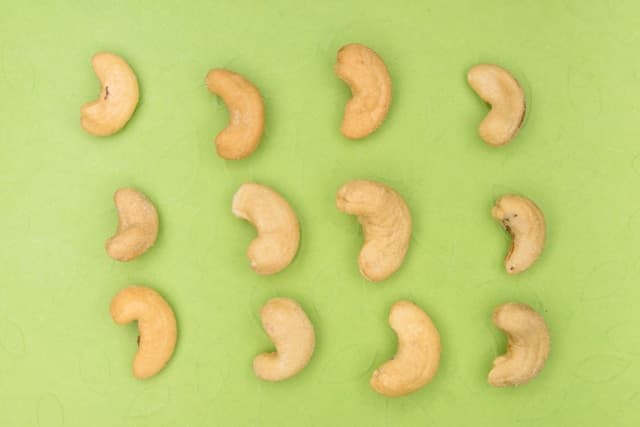
Can Dogs Eat Cashews? Yes, dogs can eat cashews, but they should only be given in moderation.
Cashews are not toxic to dogs, but they are high in fat, which can lead to health issues like pancreatitis if consumed in large quantities.
Benefits and Risks of Feeding Cashews to Dogs
Benefits
Cashews can be a tasty treat for dogs and offer some nutritional benefits:
- Protein: Essential for muscle and tissue repair in dogs.
- Healthy Fats: Help maintain a dog’s coat and skin.
- Minerals: Rich in magnesium and zinc, important for a healthy immune system and metabolic functions.
Risks
However, there are also risks associated with feeding dogs cashews:
- High Fat Content: Can cause stomach upset or lead to more serious health issues like pancreatitis.
- Salt and Seasonings: Store-bought cashews often come salted or with other seasonings that are unsuitable for dogs and can be harmful.
How to Safely Feed Cashews to Your Dog
To safely include cashews in your dog’s diet, always choose unsalted and unseasoned cashews to avoid any harmful additives.
Given their high fat content, cashews should be fed sparingly.
A few cashews once in a while are enough, depending on your dog’s size and dietary needs.
Ensure the cashews are fresh and not rancid, as spoiled nuts can cause gastrointestinal distress.
Other Safe Nut Options for Dogs

While cashews can be a safe option in moderation, there are other nuts that can also be safe for dogs, including peanuts.
Unlike cashews, peanuts are legumes and are generally safe for dogs when unsalted and unseasoned.
However, almonds are not recommended as they are hard to digest and could pose a choking hazard.
Nuts to Avoid
Some nuts are toxic or particularly dangerous for dogs and should always be avoided.
Macadamia nuts are highly toxic and can cause weakness, vomiting, hyperthermia, and tremors.
Walnuts can cause gastrointestinal upset or obstruction.
Is It Safe For Puppy To Eat Cashew?
While cashews are not toxic to dogs, it is generally not recommended to feed cashews to puppies.
Puppies have more sensitive digestive systems and different nutritional needs than adult dogs.
Cashews’ high fat content can be difficult for puppies to digest, potentially leading to stomach upset or pancreatitis.
Cashews can also pose a choking hazard for smaller or younger puppies.
Additionally, introducing human foods like cashews can disrupt the nutritional balance puppies need for growth and development.
If you do decide to give your puppy cashews, it should only be in very small amounts and rarely.
Ensure the cashews are unsalted and unseasoned, and monitor your puppy closely for any adverse reactions.
Conclusion
While cashews are not toxic to dogs, they should only be offered in moderation due to their high fat content and potential for causing stomach upset or more serious health issues.
Always ensure that cashews are unsalted and unseasoned before offering them to your dog.
If you’re looking to introduce any new food into your dog’s diet, including cashews, it’s best to consult with your veterinarian first to ensure it’s appropriate for your dog’s health needs.