Home
Home
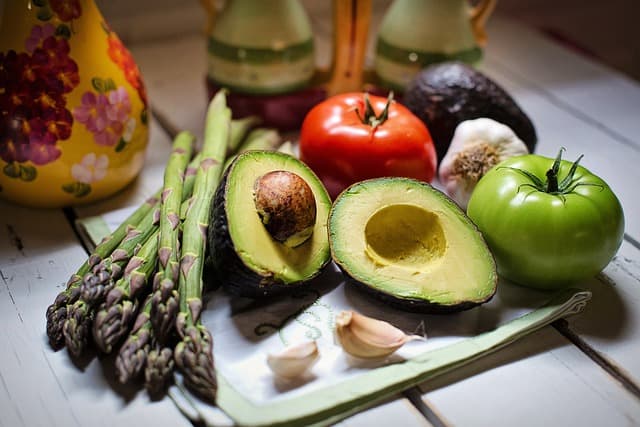
Can Dogs Eat Avocado? No, It’s Risky Due to Persin. Dogs should generally avoid avocado.
While the flesh of an avocado is not highly toxic to dogs, the fruit contains a substance called persin, which can be harmful in large amounts, especially in the leaves, skin, and pit of the avocado.
Understanding the Risks of Avocado for Dogs
Avocado poses several risks to dogs, primarily due to the presence of persin, a fungicidal toxin. Here’s what you need to know:
- Persin Toxicity: Persin is found in all parts of the avocado, including the flesh, but it’s most concentrated in the leaves, pit, and skin. Ingestion of these parts can cause vomiting and diarrhea in dogs.
- Choking Hazard: The large pit can also pose a significant choking risk and potentially cause an intestinal blockage if swallowed.
- Fat Content: Avocados are high in fat. While it’s mostly the healthier monounsaturated fat, excessive intake can lead to pancreatitis in dogs, a serious condition that can be painful and costly to treat.
Clinical Signs of Avocado Poisoning
If your dog consumes avocado, particularly the more toxic parts of the plant, watch for symptoms such as:
- Gastrointestinal Upset: This includes symptoms like vomiting and diarrhea.
- Difficulty Breathing: If the pit is swallowed, it could lead to respiratory distress due to blockage.
- Lethargy: Dogs may appear unusually tired or weak.
Safe Alternatives to Avocado
Given the risks associated with avocados, consider safer fruit alternatives that can provide similar nutritional benefits:
- Apples (cored and seeded): Apples are a fantastic source of vitamins A and C, as well as fiber, which can help with digestion. Just make sure to remove the seeds and core before giving them to your dog, as these can be choking hazards.
- Blueberries: Known as a superfood, blueberries are rich in antioxidants, which can help fight free radicals in your pet’s body. They’re also low in calories and high in vitamin C and fiber.
- Carrots: Crunchy and nutritious, carrots are a great low-calorie treat that can also help maintain healthy teeth. They’re rich in beta-carotene, which is beneficial for your dog’s vision, skin, and coat.
- Pumpkin (plain, without added sugars or spices): Pumpkin is high in fiber and low in calories, making it an excellent choice for dogs’ digestive health. It can help regulate bowel movements and is gentle on the stomach.
These alternatives are safe for dogs in moderation and can provide vitamins, fiber, and hydration without the risks associated with avocado.
Other Fruits Toxic to Dogs

In addition to avocados, there are several other fruits that can be dangerous for dogs if ingested. Here’s a comprehensive list:
Grapes and Raisins: Grapes and raisins are extremely toxic to dogs and can cause acute kidney failure. Even small amounts can be deadly, so it’s crucial to keep these fruits out of reach of dogs at all times.
Cherries: While the flesh of cherries is not toxic to dogs, the pits, leaves, and stems contain cyanide, which is poisonous. Cyanide inhibits cytochrome oxidase, an enzyme necessary for cellular oxygen transport, blocking oxygen from the blood cells, leading to oxygen deprivation.
Citrus Fruits (Lemons, Limes, Grapefruit): All parts of citrus plants carry varying amounts of citric acid and essential oils that can cause irritation and possibly even central nervous system depression if ingested in significant amounts. Small doses, such as eating the fruit, are not likely to present problems beyond minor stomach upset.
Persimmons, Peaches, and Plums: The seeds or pits of these fruits can cause intestinal blockages or even cyanide poisoning, as they contain amygdalin, a cyanogenic glycoside. The flesh of peaches and plums is safe in moderation, but the pits and seeds should always be removed.
Can Dogs Go Vegan?
While discussing dog diets and the inclusion of fruits and vegetables, it’s crucial to address whether dogs can adopt a vegan diet.
Dogs have specific nutritional needs that are different from humans, and while they can process certain plant-based foods, their diet needs to include high-quality proteins that are usually obtained from animal sources.
If you’re considering a vegan diet for your dog, consult with a veterinarian to ensure their dietary needs are fully met and that the diet is balanced and complete.
Conclusion
Avocados should generally be avoided in a dog’s diet due to the risks of persin toxicity, fat content, and potential choking hazards.
If you wish to include fruits and vegetables in your dog’s diet, opt for safer, vet-recommended options that offer nutritional benefits without the risks.
Always consult with your veterinarian when making significant changes to your dog’s diet or if you suspect they have eaten something potentially harmful.