Home
Home
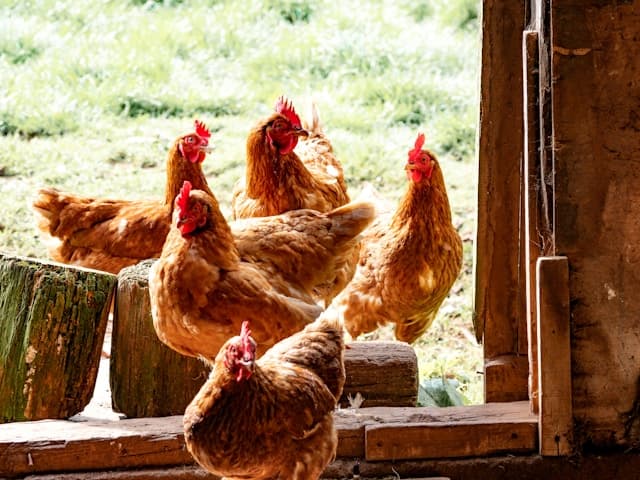
Chickens can indeed enjoy tomatoes as part of their diet, but with important caveats.
Tomatoes belong to the nightshade family, which contains elements that can be toxic to chickens in certain parts.
The ripe fruit of the tomato plant is safe for chickens to eat, but the leaves, stems, and green unripe fruit contain solanine, a substance that can be harmful.
Thus, while tomatoes can be a flavorful treat loaded with vitamins and antioxidants beneficial for chickens, they must be offered correctly to ensure the safety of your flock.
Understanding Tomato Safety for Chickens
To safely introduce tomatoes into your chickens’ diet, adhere to the following guidelines:
- Ripe Only: Ensure the tomatoes are ripe and red. Green, unripe tomatoes and parts of the plant should be avoided due to solanine.
- Moderation is Key: Like any treat, tomatoes should be given in moderation, making up no more than 10% of your chickens’ overall diet.
- Variety Matters: Offering different types of tomatoes, such as cherry tomatoes, can add variety but always ensure they are ripe.
The Health Benefits of Tomatoes for Chickens

Tomatoes are not just safe when fed correctly; they’re also beneficial.
They’re rich in vitamins C and K, potassium, and antioxidants, which can support the immune system and overall health of chickens.
Potential Risks and How to Mitigate Them
Be aware of the potential risks associated with feeding tomatoes:
- Solanine Toxicity: Solanine in green parts of the tomato plant is toxic. Only offer ripe, red tomatoes, removing any green parts.
- Pesticides: Commercially grown tomatoes may have pesticides. Use organically grown tomatoes or wash thoroughly.
- Excessive Consumption: Tomatoes should only be a small part of the diet to avoid nutritional imbalances.
- Choking Hazard: Cut tomatoes into small pieces to prevent choking.
- Acidic Content: Tomatoes’ acidity might upset some chickens’ stomachs. Monitor and adjust as needed.
- Unfamiliar Foods: Introduce tomatoes slowly to avoid digestive issues.
Incorporating Tomatoes into Your Chickens’ Diet
When introducing tomatoes, start with small amounts to see how your chickens react.
Always remove any uneaten tomatoes from the coop to prevent them from attracting pests or becoming a breeding ground for bacteria.
What Other Fruits Can Chickens Eat?

Expanding your chickens’ diet to include a variety of fruits can be beneficial. Here are some safe options:
- Bananas: Full of potassium and vitamins. Learn how to introduce them safely: Peeling Back the Facts on Chickens and Bananas.
- Watermelon: A refreshing treat that helps keep chickens hydrated during hot days.
- Grapes: Juicy and rich in hydration, perfect in moderation. Find out more: Let’s Get Straight to the Point About Chickens and Grapes.
- Strawberries: Another sweet treat, but ensure they’re sliced and offered sparingly.
- Blueberries: Packed with antioxidants, a healthy snack for chickens. Dive deeper here: Pecking at the Truth About Chickens and Blueberries.
By offering a variety of fruits, you can enrich your chickens’ diet, but always remember to introduce new foods gradually and observe how your chickens react.
Conclusion
Tomatoes can be a delicious and nutritious treat for chickens when offered properly.
By ensuring that only ripe tomatoes are fed in moderation, and by avoiding the plant’s green parts, chicken owners can safely include this vibrant fruit in their flock’s diet.
Always prioritize a diverse and balanced diet to keep your chickens healthy and thriving.