Home
Home
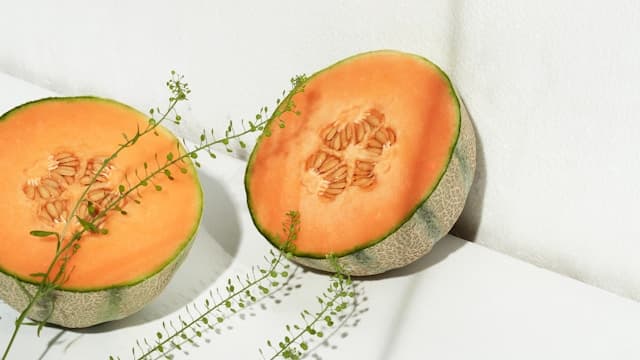
Have you ever asked the question, “Can chickens eat honeydew?” The simple answer to this is yes!
This sweet and refreshing fruit can be a hydrating treat, especially beneficial during the warmer months.
Packed with nutrients like vitamins C and B6, honeydew offers more than just a tasty snack. However, it’s crucial to feed honeydew in moderation to avoid any potential digestive issues.
The Nutritional Benefits of Honeydew for Chickens
Honeydew melon is not just delicious; it’s also nutritious for your feathered friends, offering:
- Vitamins C and B6: Boosts the immune system and promotes healthy blood vessels.
- Potassium: Essential for heart health and muscle function.
- High Water Content: Keeps chickens hydrated.
Serving Honeydew Safely
To ensure your chickens enjoy honeydew without any risks, consider the following tips:
- Moderation is Key: Limit honeydew to avoid digestive issues.
- Remove Seeds: Seeds can be a choking hazard.
- Fresh is Best: Offer ripe honeydew to ensure it’s soft and easy to eat.
Exploring Other Safe Fruits for Chickens

Incorporating a variety of fruits into your chickens’ diet can provide them with a spectrum of nutrients and enrichment. Alongside honeydew, consider these chicken-safe fruits:
- Bananas: Peeling Back the Facts on Chickens and Bananas – A great source of potassium and vitamins for chickens.
- Watermelons are also a fantastic treat, especially on hot days, providing hydration and nutrients.
- Grapes: Let’s Get Straight to the Point on Chickens and Grapes – Feed in moderation due to their sugar content.
- Apples (without seeds) offer a healthy crunch, packed with fiber and vitamins.
- Blueberries: Pecking at the Truth About Chickens and Blueberries – Antioxidant-rich and beneficial for overall health.
- Strawberries can be a sweet treat, providing additional vitamins and hydration.
Conclusion: A Melon-ful Addition to Chicken Diets
Honeydew can be a delightful treat for your chickens, offering both hydration and nutritional benefits.
By serving it correctly and in moderation, you can ensure your chickens enjoy this melon safely.
Remember, a varied diet rich in natural foods contributes to the overall health and happiness of your flock.