Home
Home
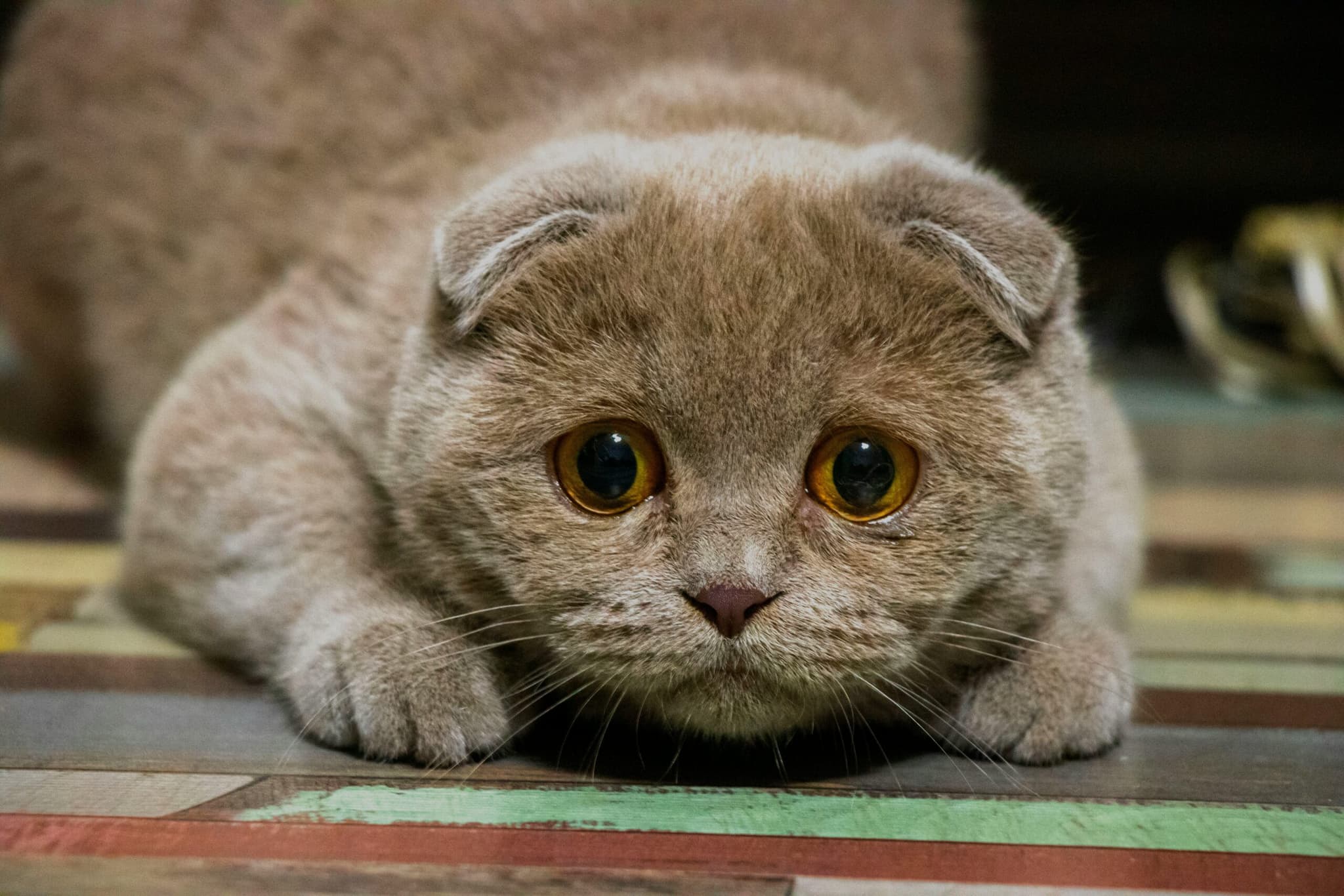
Most cat owners recognize their feline friends as independent, curious, and occasionally moody companions. But what happens when your usually energetic cat suddenly becomes withdrawn, lethargic, or disinterested in their favorite activities? Just like humans, cats can indeed experience depression. Understanding the signs, causes, and treatment options can help you effectively support your feline companion through difficult emotional periods. In this guide, we delve into everything you need to know about feline depression.
Understanding Depression in Cats
Cats experience emotions similarly to humans. They feel happiness, stress, sadness, fear, and even depression. Although feline depression is less recognized compared to canine depression, veterinary experts confirm that cats can indeed become clinically depressed. Unlike humans, however, cats can’t verbalize their feelings, making it essential for owners to recognize behavioral changes and subtle symptoms.
Signs Your Cat Might Be Depressed

Identifying depression in cats can be challenging, as the symptoms often overlap with other illnesses. Typical signs include:
- Lack of energy or lethargy: Your cat sleeps more and seems unusually inactive.
- Loss of appetite or sudden overeating: Changes in eating patterns can indicate emotional distress.
- Withdrawal and isolation: Cats hiding frequently or avoiding interaction can signify depression.
- Reduced grooming habits: A depressed cat might neglect self-care, appearing unkempt or disheveled.
- Increased vocalization or silence: Excessive meowing or an unusually quiet cat can both indicate emotional distress.
- Litter box issues: Changes in litter box habits, such as refusal to use the litter box, might point toward emotional distress.
It’s important to remember these symptoms can also indicate other medical conditions. Always consult a veterinarian to rule out physical health issues.
Common Causes of Depression in Cats
Understanding what triggers depression in cats can help prevent or mitigate symptoms. Common factors include:
1. Loss of a Companion
Cats often form strong bonds with other pets or humans. The loss or absence of a companion—whether due to death, relocation, or separation—can lead to profound sadness and depression.
2. Environmental Changes
Cats thrive on routine and predictability. Moving homes, remodeling your house, or even a shift in furniture arrangement can cause stress and emotional turmoil, leading to depression.
3. Lack of Stimulation
Boredom significantly impacts feline mental health. Indoor cats, in particular, require adequate mental stimulation and engagement. Without appropriate enrichment, depression may develop due to frustration or monotony.
4. Medical Conditions
Certain illnesses or chronic pain conditions can lead to depression symptoms in cats. Conditions such as arthritis, thyroid issues, and dental pain can significantly impact a cat’s emotional well-being.
5. Stressful Living Conditions
Stressful home environments, including excessive noise, conflicts with other pets, or ongoing changes, can lead to chronic anxiety and depression.
Diagnosing Depression in Cats

Veterinarians typically diagnose feline depression by first ruling out medical conditions through physical examinations and necessary tests. Once physical causes are eliminated, your vet will assess behavioral patterns and emotional health to diagnose depression accurately.
How to Help Your Depressed Cat
Fortunately, depression in cats is typically manageable with lifestyle adjustments, environmental enrichment, and veterinary support. Here’s how you can help your feline friend:
1. Spend Quality Time Together
Increase the amount of time you spend interacting with your cat. Gentle petting, grooming sessions, and playing together can significantly lift your cat’s mood and reduce stress.
2. Provide Environmental Enrichment
Stimulate your cat’s senses and curiosity by introducing new toys, puzzle feeders, or interactive games. Setting up climbing trees, scratching posts, and window perches also provides mental and physical stimulation, helping your cat feel happier and more engaged.
Check out our guide on The Best Toys for Different Types of Pets to get great enrichment ideas for your cat.
3. Maintain a Routine
Cats thrive on consistency. Keeping feeding times, play sessions, and grooming schedules consistent can help restore a sense of security and calmness to your cat’s environment.
4. Consider Companionship
In some cases, introducing a new pet can alleviate loneliness or isolation, especially for cats mourning the loss of another companion. However, introductions should be gradual, carefully monitored, and tailored to your cat’s personality.
5. Consult Your Veterinarian
In severe cases, your veterinarian might recommend behavioral therapy or even medications to manage anxiety and depression. Professional guidance ensures your cat receives safe, appropriate care.
Natural Remedies to Ease Feline Depression
Natural approaches can also support your cat’s emotional well-being:
- Pheromone diffusers (e.g., Feliway) can help create a soothing environment by mimicking feline comfort pheromones.
- Catnip and cat grass stimulate mental activity and help combat boredom.
- Omega-3 supplements can improve overall brain function and mood, promoting emotional stability.
Explore our detailed article on natural solutions for various cat health issues, including stress relief and anxiety reduction, by reading Natural Remedies for Treating Fleas on Dogs, which offers similar holistic approaches applicable to feline well-being.
Preventing Depression in Cats: Long-Term Strategies
Preventive measures are essential to keeping your cat emotionally healthy:
- Regular Veterinary Check-ups: Annual visits help detect early signs of depression or medical conditions causing emotional changes.
- Mental and Physical Stimulation: Regular play, environmental enrichment, and interactive games keep your cat mentally engaged and happy.
- Balanced Diet and Regular Exercise: Proper nutrition and physical activity significantly influence your cat’s emotional health.
When to Seek Immediate Veterinary Help

Immediate veterinary attention is necessary if your cat shows:
- Prolonged refusal to eat or drink
- Significant weight loss or gain
- Self-harm behaviors (excessive grooming to the point of injury)
Early intervention can prevent complications and help your cat recover more swiftly.
Final Thoughts on Cat Depression
Cats are emotional beings capable of experiencing depression just like humans. Understanding your cat’s emotional needs, recognizing early signs of depression, and providing appropriate care can dramatically enhance their quality of life.
By offering patience, understanding, environmental enrichment, and professional care, you can effectively support your cat through emotional challenges, ensuring they lead a happier, healthier, and more fulfilling life.