Home

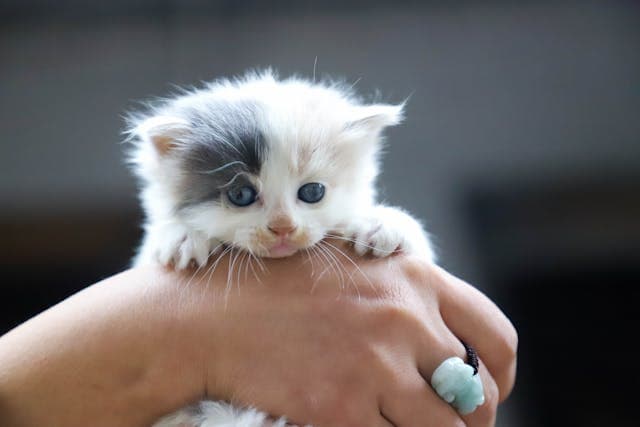
Pet owners often explore various foods to share with their furry companions, leading to the question: Can cats have cinnamon? The answer is no, Cinnamon should be avoided in a cat’s diet, as it can be harmful, especially in large quantities or essential oil form.
Is Cinnamon Safe for Cats?
Cinnamon, a common household spice, poses risks for cats due to its coumarin content, which can cause liver damage in sensitive individuals.
Although a small amount might not immediately harm, cinnamon in larger doses or its essential oil form can lead to coughing, choking, and breathing difficulties due to its powdery nature when inhaled.
What are the Essentials of Cinnamon?

Cinnamon is a highly popular spice known for its warm, sweet flavor, which is derived from the inner bark of trees from the genus Cinnamomum.
This spice contains several compounds that contribute to its distinctive taste and aroma, as well as its health benefits. Here’s a closer look at the key components of cinnamon:
- Essential Oils: Key components are cinnamaldehyde (60-75%), contributing to cinnamon’s unique taste and aroma, along with eugenol and linalool, which add analgesic and antiseptic properties, respectively.
- Phenolic Compounds: These offer antioxidant benefits, with procyanidins and catechins being notable examples, helping to neutralize harmful free radicals.
- Nutrients: Cinnamon contains traces of dietary fiber, calcium, iron, and manganese, providing modest health benefits.
- Coumarin: Found mainly in Cassia cinnamon, coumarin can pose health risks in large amounts, such as potential liver damage.
Recognizing Symptoms of Toxicity
If your cat has been exposed to cinnamon, watch for signs of distress such as coughing, difficulty breathing, or an allergic reaction.
These symptoms warrant immediate veterinary attention to ensure your cat’s health and safety.
The Nutritional Aspect of Cats’ Diet
Cats require a diet rich in proteins and certain fats, differing significantly from humans’ nutritional needs.
- Animal-Based Proteins: Essential for muscle maintenance and overall health, providing crucial amino acids like taurine.
- Fats: Provide energy, aid in vitamin absorption, and contribute to skin and coat health. Essential fatty acids are necessary.
- Vitamins and Minerals: Necessary for various functions, including vision (vitamin A) and bone health (vitamin D).
- Water: Critical for preventing urinary and kidney issues, with a need for constant access to fresh water.
- Low Carbohydrates: Cats have a limited ability to process carbs, so their intake should be minimal to avoid health issues like obesity.
Incorporating spices like cinnamon does not align with their dietary requirements and can pose health risks rather than benefits.
Alternatives for Cats’ Health
For pet owners looking to enhance their cats’ diet, focusing on high-quality cat food that meets all their nutritional needs is advisable.
Supplements specifically designed for cats can also support their health, but always consult a veterinarian before introducing any new food or supplement.
Practical Tips for Cat Owners
- Monitor Your Cat’s Environment: Keep cinnamon and other potentially harmful substances out of reach.
- Consult Your Vet: Before making any changes to your cat’s diet, seeking professional advice ensures their well-being.
- Educate Yourself: Understanding what foods are safe for cats () can prevent potential health issues.
Conclusion
While cinnamon might tantalize human senses, it’s not a recommended addition to your cat’s diet.
Prioritizing cats’ health and nutrition through appropriate food choices and consulting with veterinary professionals is paramount for their wellbeing.
By staying informed and cautious, pet owners can ensure their beloved felines lead healthy, happy lives.