Home
Home
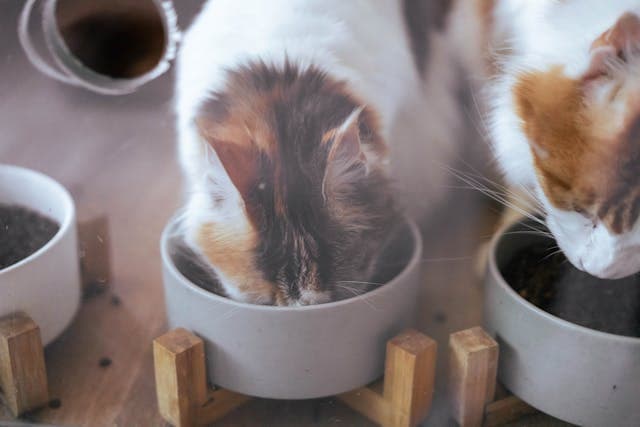
Can Cats Eat Sweet Potatoes? Yes, cats can eat sweet potatoes in moderation, but they should only be given as an occasional treat and not as a regular part of their diet.
Sweet potatoes are not toxic to cats, but since felines are obligate carnivores, they don’t need vegetables to meet their nutritional requirements.
Are Sweet Potatoes Safe for Cats?
Sweet potatoes, while rich in fiber, vitamins A and C, and certain minerals, aren’t necessary for a cat’s diet since cats mainly rely on animal proteins.
However, small amounts of sweet potatoes can be a harmless snack.
It’s crucial to feed only cooked sweet potatoes, as raw ones can be hard for cats to digest and may cause digestive issues.
Boiled or baked sweet potatoes, without any added sugar, salt, or seasoning, are the safest option for a treat.
How to Feed Sweet Potatoes to Cats
When feeding sweet potatoes to your cat, it’s important to practice portion control since sweet potatoes are not essential to their diet.
A small, bite-sized piece is sufficient as an occasional treat, ensuring it doesn’t interfere with their regular meals.
Cats are obligate carnivores, and their primary nutritional needs come from meat-based sources, so sweet potatoes should never replace their high-quality cat food.
Always keep in mind that moderation is key, and sweet potatoes should remain a rare treat rather than a regular addition to their diet.
For a deeper dive into feline nutrition, check out our article on what can cats cannot eat.
Potential Risks of Feeding Sweet Potatoes to Cats

Feeding sweet potatoes to cats can pose risks, such as digestive upset since their sensitive systems are designed for processing meat, which may lead to diarrhea or vomiting.
Additionally, sweet potatoes are high in carbohydrates, and excessive consumption could contribute to weight gain, as cats don’t require carbs in their diet.
Therefore, sweet potatoes should only be an occasional treat, not a regular part of their meals.
For more details on feline dietary needs, you can check out the Wikipedia entry on feline nutrition or consult expert advice from PetMD.
Are There Better Alternatives?
- Other Safe Vegetables: If you want to give your cat a vegetable treat, small amounts of cooked carrots, peas, or green beans are often better options. These vegetables are easier for cats to digest and can be a safe way to offer variety.
- Commercial Cat Treats: There are many commercially available cat treats designed to provide nutritional benefits without the risks associated with human foods. These treats ensure your cat is getting the nutrients they need without overloading them with carbohydrates.
For more ideas on safe cat treats, check out our article on healthy cat snacks.
Conclusion
While cats can eat sweet potatoes, it should only be in moderation and as an occasional treat.
Cooked sweet potatoes are the safest form to offer your cat, but they shouldn’t replace the essential proteins and nutrients found in their regular diet.
As with any new food, introduce sweet potatoes slowly and in small amounts to avoid any adverse reactions.
FAQs
Although rare, some cats may have sensitivities to sweet potatoes, so it’s important to introduce them cautiously.
Sweet potato fries should be avoided, as they’re often fried in oil and seasoned, which can be harmful to cats.
If you choose to give your cat sweet potatoes, a small, bite-sized piece of cooked, plain sweet potato is sufficient, but it should never be a regular part of their diet.