Home
Home
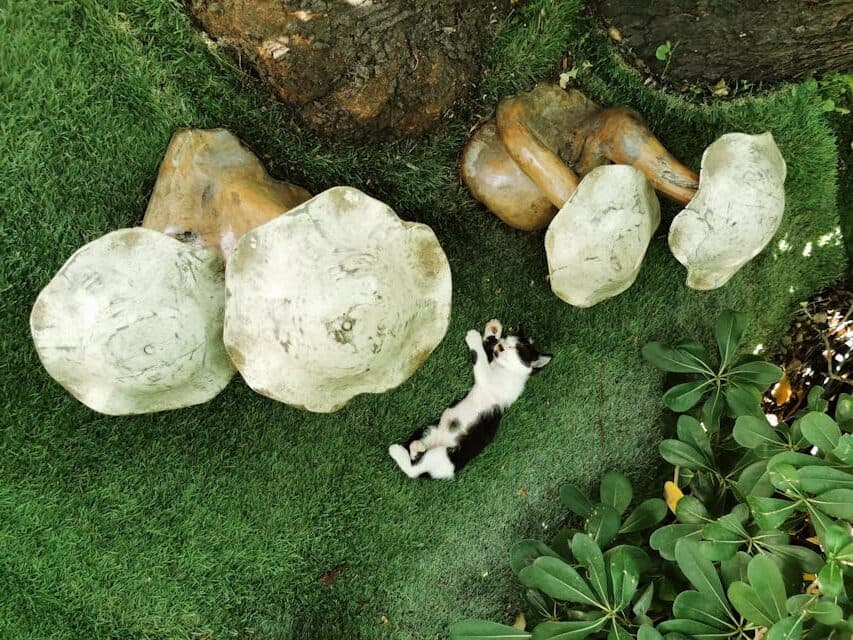
Can Cats Eat Mushrooms? Yes, Cats can safely eat certain types of cooked store-bought mushrooms, but wild mushrooms can be toxic and potentially fatal.
This clear statement serves to guide cat owners on the safety of feeding mushrooms to their pets, emphasizing the importance of distinguishing between safe and dangerous varieties.
Mushrooms vary widely in their effects on cats, from completely safe to highly toxic.
Knowing which mushrooms are safe and how to prepare them is crucial for cat owners.
Safe Mushrooms for Cats
Common culinary mushrooms, such as button, portobello, and shiitake, are generally safe for cats when cooked.
These mushrooms should be plain, without any added oils, seasonings, or garlic, which can be harmful to cats.
Risks Associated with Wild Mushrooms
Many wild mushrooms are toxic to cats, causing a range of symptoms from mild gastrointestinal upset to severe organ damage or even death.
It is challenging to distinguish safe from toxic mushrooms, so it is best to avoid letting cats eat any wild mushrooms.
Potential Benefits and Hazards
While the occasional small piece of cooked, plain mushroom may not harm your cat, mushrooms are not a necessary part of their diet.
Cats are obligate carnivores, meaning their diet should primarily consist of meat.
Benefits

Mushrooms offer a wide array of nutritional benefits for humans, thanks to their unique composition and nutritional profile.
Mushrooms can offer some benefits to cats, but it’s crucial to approach with caution due to the wide variety of mushrooms, many of which can be toxic to pets.
When considering non-toxic, pet-safe mushrooms (often found in commercial pet foods or supplements), the benefits might include:
- Immune System Support: Certain types of mushrooms, like shiitake, maitake, and reishi, are known for their immune-boosting properties. They contain beta-glucans which help stimulate the immune system, potentially offering protection against infections.
- Antioxidant Properties: Mushrooms can be a source of antioxidants, which help combat free radicals in the body. This can reduce inflammation and support overall health.
- Digestive Health: Some mushrooms contain prebiotics, which feed the good bacteria in the gut. This can help maintain a healthy gut flora, improving digestion and nutrient absorption.
- Vitamin and Mineral Content: Mushrooms are a good source of B vitamins, selenium, potassium, and phosphorus, which can contribute to a balanced diet for a cat, supporting nerve function, muscle health, and more.
Hazards
- Potential choking hazard if given in large pieces.
- Some cats may have allergies or sensitivities to mushrooms.
- Risk of toxicity from wild or contaminated mushrooms.
Preparing Mushrooms for Cats
If you choose to feed your cat mushrooms, ensure they are thoroughly cooked without any added ingredients.
Start with a very small amount to monitor for any adverse reactions.
What to Do in Case of Mushroom Poisoning
If you suspect your cat has ingested a wild mushroom or is showing signs of poisoning (such as vomiting, diarrhea, lethargy, seizures), seek veterinary care immediately.
Quick response can be crucial to your cat’s survival.
Alternatives to Mushrooms
For cat owners seeking safe and healthy alternatives to mushrooms, there are several vet-approved options that can add nutritional value and variety to your cat’s diet.
Remember, these should be given in moderation and as part of a balanced diet.
Protein Sources
- Cooked Chicken or Turkey: Lean and without seasoning, these are excellent protein sources.
- Fish: Omega-3-rich fish like salmon or tuna, cooked without oil or salt.
- Cooked Eggs: Offer protein and B vitamins, served plain.
Vegetables
- Carrots and Green Beans: Can be given raw (finely chopped) or cooked, providing vitamins and fiber.
- Pumpkin: Plain and cooked, it aids in digestion.
Fruits
- Apples (no seeds), Blueberries, Watermelon (seedless): These fruits are good in moderation, offering hydration and antioxidants.
Treats
- Quality Cat Treats: Opt for natural, grain-free options.
Conclusion
While certain store-bought mushrooms can be safe for cats in moderation, the risk associated with wild mushrooms makes them a food to avoid.
Always prioritize your cat’s health and dietary needs, and when in doubt, stick to cat-specific foods and treats that meet their nutritional requirements.
Feeding mushrooms to cats can be safe under controlled conditions, but it’s not without its risks.
Understanding these risks and acting responsibly can ensure your feline friend enjoys a healthy and balanced diet.