 Home
Home
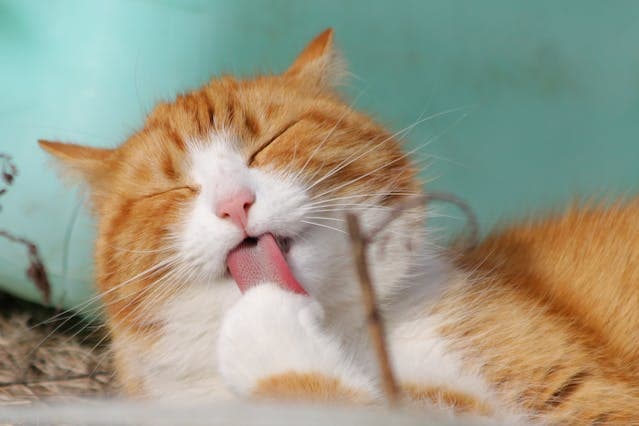
In exploring the myriad of human foods and their safety for our feline companions, a curious question arises: can cats have marshmallows? The answer is no, Cats should not eat marshmallows, as they offer no nutritional value and can pose health risks to felines.
While the sugary treat is a beloved snack among people, its suitability for cats warrants a closer examination.
Marshmallows are not toxic to cats, but their consumption is not recommended due to the lack of nutritional benefits and potential health concerns.
Marshmallows, primarily made of sugar, water, and gelatin, lack the essential nutrients cats need to maintain their health.
Potential Health Risks
- Choking Hazard: The sticky, soft texture of marshmallows poses a choking hazard, especially for smaller cats or kittens.
- Digestive Issues: Consuming non-nutritive items like marshmallows can cause gastrointestinal upset, including vomiting or diarrhea.
Better Alternatives
Given the lack of benefits and potential risks, pet owners seeking to indulge their cats with a treat should consider healthier, cat-friendly options. Here are some safe alternatives:
- Commercial Cat Treats: Choose treats formulated specifically for cats, focusing on those with high protein content and minimal additives.
- Cooked Meat: Small pieces of cooked chicken or turkey can be a nutritious snack for cats.
- Special Cat Grass: Cat grass provides a good source of fiber and can aid in digestion.
Digestive System and Dietary Needs of Cats
Cats have a unique digestive system optimized for processing meat, not sugary or heavily processed foods. Their dietary needs are quite specific:
- Protein-Centric Diet: As obligate carnivores, cats require a diet predominantly made up of protein from meat. This is crucial for their energy, growth, and maintaining lean muscle mass.
- Limited Carbohydrate Tolerance: Cats have a limited ability to digest carbohydrates. A high intake of sugars, such as those found in marshmallows, can lead to obesity and diabetes, as their bodies are not designed to handle such foods efficiently.
The Role of Taurine
Cats require certain amino acids that their bodies cannot produce, such as taurine, which is found exclusively in animal-based proteins.
Taurine deficiency can lead to serious health issues, including heart disease and blindness.
Marshmallows and similar treats offer no taurine or other essential nutrients required by cats.
Potential Allergic Reactions and Intolerances

- Food Allergies: While not common with marshmallows specifically, introducing non-traditional foods can sometimes trigger allergic reactions in cats. Symptoms may include itching, swelling, and digestive upset.
- Lactose Intolerance: Some marshmallows may contain milk products, and many adult cats are lactose intolerant, meaning they cannot properly digest dairy. This can lead to gastrointestinal distress.
Conclusion
While marshmallows are not toxic to cats, they are not a suitable treat due to their high sugar content, lack of nutritional value, and potential to cause health issues.
Opting for healthier, cat-specific treats can satisfy your cat’s snack cravings without compromising their health.
Always prioritize a balanced diet tailored to your cat’s needs and consult with a veterinarian before introducing any new foods into their diet.
Remember, the best way to show love to your cat is through care and attention to their dietary needs, ensuring they lead a happy, healthy life.






