Home
Home
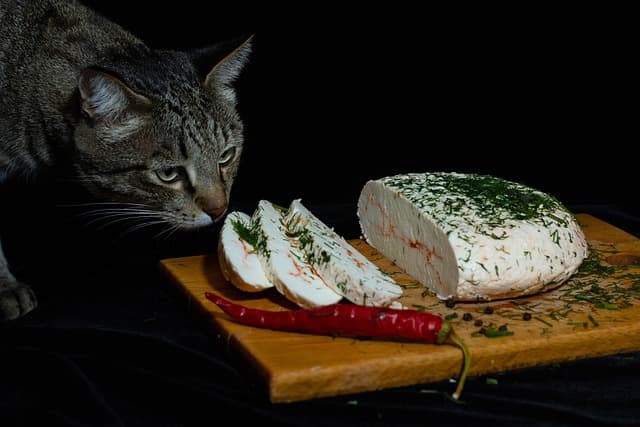
Can Cats Eat Cheese? Yes, cats can eat cheese, but it should be given in small amounts and only occasionally as a treat.
Many cats are lactose intolerant, which means they can have difficulty digesting dairy products like cheese.
Understanding Lactose Intolerance in Cats
Lactose intolerance is common in cats, similar to humans.
This condition occurs when cats lack sufficient amounts of the enzyme lactase, which is necessary to break down lactose, the sugar found in milk and dairy products.
Without enough lactase, consuming cheese can lead to digestive issues.
Symptoms of Lactose Intolerance
If a cat is lactose intolerant, consuming cheese can cause the following symptoms:
- Diarrhea: A common sign of lactose intolerance.
- Vomiting: Some cats may vomit after eating cheese.
- Gas: Bloating and flatulence are frequent symptoms.
- Stomach Pain: Indicated by whining, pacing, or other signs of discomfort.
Is Cheese Safe for Cats?
Cheese is not toxic to cats, but due to its lactose content, it should be given sparingly.
Some cats can tolerate cheese better than others, so it’s important to monitor your cat’s reaction when introducing cheese into their diet.
Types of Cheese Safe for Cats

If you decide to give your cat cheese, opt for types that are lower in lactose and fat:
- Hard Cheeses: Cheddar, Swiss, and Parmesan are lower in lactose.
- Soft Cheeses: Cottage cheese and cream cheese are higher in lactose and should be avoided or given in very small amounts.
- Lactose-Free Cheeses: These can be a safer option for lactose-intolerant cats.
Benefits of Cheese for Cats
Cheese contains several nutrients that can benefit cats when given in moderation:
- Protein: Supports muscle development and repair.
- Calcium: Important for bone health.
- Vitamin B12: Essential for nervous system health.
How to Feed Cheese to Your Cat
When feeding cheese to your cat, it’s important to do so safely. Here are some tips:
- Small Portions: Offer a small piece of cheese to see how your cat reacts. Overfeeding can lead to digestive upset.
- Observe Reactions: Monitor your cat for any signs of lactose intolerance.
- Limit Frequency: Cheese should be an occasional treat, not a regular part of your cat’s diet.
Potential Risks of Feeding Cheese to Cats
While cheese can be a tasty treat for some cats, there are potential risks:
- High Fat Content: Cheese is high in fat, which can contribute to weight gain and pancreatitis if fed in large amounts.
- Lactose Intolerance: As mentioned earlier, many cats are lactose intolerant and may experience digestive upset after consuming cheese.
Signs of Digestive Upset
If your cat experiences any of the following symptoms after eating cheese, discontinue feeding and consult your veterinarian:
- Vomiting: Frequent vomiting can lead to dehydration and other health issues.
- Diarrhea: Loose or frequent stools can quickly lead to dehydration, especially in small or older cats.
- Gas and Bloating: Bloating and flatulence are signs of digestive discomfort.
- Lethargy: A lack of energy or increased sleepiness can indicate that your cat is not feeling well.
When to Seek Veterinary Advice
If your cat exhibits any of these symptoms after eating cheese, it’s important to monitor them closely.
While occasional mild symptoms may resolve on their own, persistent or severe symptoms warrant a visit to the veterinarian.
Your vet can determine if the symptoms are due to the cheese or another underlying health issue.
Can Cats Have Dairy Products?
While some cats can tolerate small amounts of dairy, it’s generally best to avoid giving them dairy products due to the risk of lactose intolerance.
There are other ways to provide your cat with the nutrients found in dairy without the digestive upset.
Alternatives to Cheese for Cats
If you want to offer your cat a treat without the risks associated with cheese, consider these alternatives:
- Cooked Meat: Small pieces of cooked chicken or turkey.
- Fish: Canned tuna or salmon in water, not oil.
- Cat-Specific Treats: Commercial treats formulated for cats.
Conclusion
Cats can eat cheese, but it should be given in small amounts and only occasionally as a treat.
Many cats are lactose intolerant, so it’s important to monitor your cat’s reaction when introducing cheese into their diet.
Always prioritize your cat’s overall health and well-being by offering balanced nutrition and consulting with your veterinarian if you have any concerns.