 Home
Home
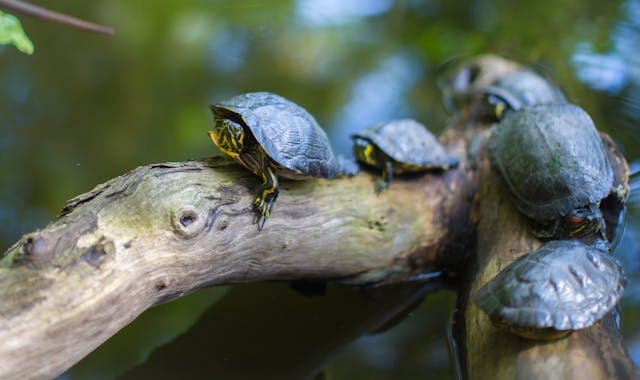
Are Turtles Warm-Blooded? No, turtles are not warm-blooded; they are cold-blooded reptiles, which means their body temperature is regulated by the environment around them.
Understanding Cold-Blooded Nature
Cold-blooded animals, or ectotherms, rely on external sources to regulate their body temperature.
Unlike warm-blooded animals that maintain a constant internal temperature, cold-blooded creatures like turtles depend on their surroundings.
How Turtles Regulate Their Temperature
- Basking in the Sun: Turtles often bask in the sun to raise their body temperature. This helps them digest food and stay active.
- Seeking Shade: When it gets too hot, turtles move to shaded areas or into the water to cool down.
- Hibernation: In colder climates, some turtles hibernate to survive the winter months when temperatures drop significantly.
For more detailed information on turtle care and what can turtles eat, check out our other articles.
The Importance of Temperature for Turtles

Temperature plays a crucial role in the well-being of turtles, significantly affecting their metabolism and overall health.
Warmer temperatures boost their metabolic rate, increasing activity and speeding up digestion, while cooler temperatures slow these processes down.
Proper temperature regulation is essential for their digestive health, as turtles may struggle to digest food if they are too cold.
Additionally, maintaining an optimal temperature range is vital for their immune system to function effectively; prolonged exposure to improper temperatures can weaken their immune response.


