Home
Home
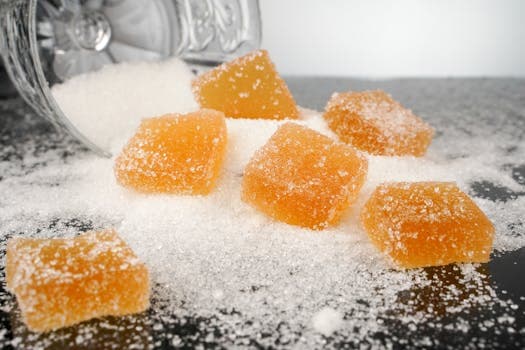
If you’re browsing for healthy, tasty snacks for your dog, gelatin-based treats often pop up as a friendly option. Gelatin is a protein derived from collagen, commonly used to make chewy dog treats, soups, and even certain supplements more appealing. The big question for many owners is: are these gelatin treats safe for dogs, and how should they be used in a balanced diet? The short answer: yes, gelatin can be safe in moderation, but there are important caveats, quality considerations, and practical tips to help you avoid common pitfalls.
What is Gelatin and Why Do People Use It in Dog Treats?
Gelatin is a protein formed from collagen, often obtained from animal bones and connective tissue. It dissolves in hot water and then firms up as it cools, creating a gel-like texture. Cats and dogs alike enjoy the chewy, jelly-like consistency of gelatin treats, which can be a great way to add flavor, hydration, and variety to your pet’s diet. Many homemade recipes harness gelatin to create low-fat, protein-rich snacks that can be portion-controlled and easily stored.

For dog owners prioritizing natural ingredients, gelatin can sometimes serve as a binder in treats, helping to hold other nutritious components like pumpkin, peanut butter (in moderation), or yogurt. It’s also sometimes touted for joint support due to its collagen-derived amino acids, though the evidence is nuanced and varies based on formulation and dosage.
Important Safety Considerations
Like any treat, gelatin should be considered a supplement to a complete, balanced diet – not a replacement for regular meals. Keep portions small and use gelatin treats as occasional rewards rather than daily staples. Here are concrete safety guidelines to follow:
- Check for added ingredients: Avoid recipes with xylitol, large amounts of sugar, chocolate, onions, garlic, or artificial sweeteners. Even small amounts of some additives can be harmful to dogs.
- Watch for lactose: If you’re using dairy-based ingredients, ensure your dog tolerates dairy. Lactose intolerance can cause GI upset in some dogs.
- Portion control: Treats should be a small portion of daily calories. A few bites or a single small cube is usually plenty for a medium-sized dog.
- Allergies and sensitivities: Some dogs are sensitive to specific proteins or additives. Introduce gelatin treats gradually and monitor for adverse reactions.
- Quality of gelatin: Use plain, unflavored gelatin without artificial colors or preservatives. Some dogs react to additives found in flavored gels or gelatin powders with sugar substitutes.
When incorporating gelatin into a dog’s diet, you should also consider the overall protein intake and any special dietary needs. If your dog has a medical condition such as kidney disease, obesity, or diabetes, discuss gelatin treats with your veterinarian before adding them to the routine.
Is Gelatin Healthy for Dogs? Pros and Cons
Gelatin can offer several potential benefits when used correctly. It may provide a protein source, aid in hydration when prepared as a gel with water or broth, and serve as a tasty way to administer medications or supplements. However, there are caveats to keep in mind:
- Joint health: Some owners use gelatin for potential joint support due to its collagen content. While collagen-derived compounds can contribute amino acids, the evidence for significant improvements in canine joint health varies and often depends on the overall diet and additional supplements like glucosamine or chondroitin.
- Digestive benefits: Gelatin can help with gut comfort for some dogs, but for others it can cause mild GI upset if fed in excess or if the dog has an intolerance.
- Caloric density: Gelatin itself isn’t usually high in calories, but other ingredients in the recipe can add sugar, fat, and calories. Always account for treats in daily intake.
Moderation is key. Gelatin treats should complement a balanced diet, not replace essential meals. If you’re unsure about your dog’s needs, a quick conversation with your vet can provide tailored guidance based on age, weight, health status, and activity level.
How to Make Safe Gelatin Treats at Home
One of the biggest benefits of gelatin is that you can control what goes into the treats. Below is a simple, safe framework you can adapt with dog-friendly ingredients. Remember to avoid any ingredients that are unsafe for dogs, such as xylitol, grapes, raisins, or highly sugary items.
- Choose your gelatin: Use plain, unsweetened gelatin (unflavored). For a vegan option, you can use agar-agar, but conversion times differ and dogs respond differently, so start with small amounts.
- Pick a liquid base: Water, low-sodium chicken broth, or bone broth can add flavor without excessive salt. Ensure any broth contains no onions or garlic.
- Add dog-safe mix-ins: Pure pumpkin, shredded carrot, mashed banana, blueberries, or small spoonfuls of peanut butter (xylitol-free). Keep portions appropriate to your dog’s size.
- Combine and chill: Dissolve gelatin in hot liquid, mix in ingredients, pour into a silicone mold or ice tray, and refrigerate until firm. Slice into bite-sized pieces for serving.
- Label and store: Store in the fridge for up to a week or freeze for longer shelf life. Label the treats to avoid accidental overfeeding.
Always test a small portion the first time you introduce a new ingredient to ensure your dog tolerates it well. If any vomiting, diarrhea, or unusual behavior occurs, stop giving the treats and consult your veterinarian.
Sample Safe Recipe: Gelatin Pumpkin Bites
Ingredients: plain gelatin, low-sodium broth, mashed pumpkin, a spoonful of natural peanut butter (no xylitol), and a pinch of cinnamon (optional). Directions: dissolve gelatin in hot broth, stir in pumpkin and peanut butter, add a light sprinkle of cinnamon, pour into molds, chill until set. This yields small, chewy bites that dogs often enjoy and that provide fiber from pumpkin and protein from gelatin.
Is It Safe to Give Gelatin Treats with Other Foods?
Gelatin treats can be combined with other dog-safe foods, but avoid feeding them with any items that pose a risk. For example, chocolate is toxic to dogs, as are onions, garlic, grapes, and artificial sweeteners like xylitol. If you’re using store-bought gelatin snacks, read the ingredient list carefully to ensure there are no hidden hazards. Some commercial gels include added sugar or salt – both should be limited in a dog’s diet.
When integrating gelatin treats with other foods, consider your dog’s overall daily calories and macronutrient balance. If your dog has specialized needs – such as a low-fat diet for pancreatitis or a high-protein plan for certain training goals – adjust portions accordingly and seek guidance from a vet or nutritionist.
Realistic Expectations: Gelatin and Joint Health
A common reason owners reach for gelatin treats is to support joint health. Gelatin contains amino acids like glycine and proline, which are components of collagen. However, the strength and stability of joints depend on a broader approach, including overall nutrition, body weight management, regular exercise, and, when necessary, targeted supplements prescribed by a veterinarian.
If your dog has arthritis or hip dysplasia, your vet might recommend a comprehensive plan that could include safe joint supplements, anti-inflammatory strategies, and a carefully chosen diet. Gelatin treats can be part of that plan as a flavorful reward, but they should not replace veterinarian-prescribed therapies or prescription diets.

Common Myths About Gelatin Treats
Myths can cloud decision-making. Here are a few you’ll often encounter and the reality behind them:
- Myth: Gelatin cures or dramatically improves joint health. Reality: Gelatin can be a modest source of collagen-related amino acids, but it is not a standalone remedy for joint disease.
- Myth: All gelatin is safe for dogs. Reality: The safety depends on ingredients, additives, and portion size. Always read labels and use plain, unsweetened gelatin.
- Myth: Homemade gelatin treats are always healthy. Reality: They can be healthy when made with dog-safe ingredients and proper portions, but excess sugar or fat from added mix-ins can negate benefits.
When to Avoid Gelatin Treats
Some dogs should avoid gelatin treats entirely or limit them significantly. If your dog has a history of pancreatitis, obesity, diabetes, kidney disease, or food allergies, consult your veterinarian before introducing gelatin-based snacks. Additionally, if your dog has a known sensitivity to collagen-containing products, you may want to skip gelatin or perform a monitored introduction.
Be cautious with flavored gelatin products marketed for humans. Many contain high sugar content or artificial ingredients that aren’t ideal for dogs. Stick to plain gelatin preparations designed for pets or carefully crafted homemade options.
Is Gelatin Safe During Pregnancy or Nursing?
If you share treats with a female dog that is pregnant or nursing, the same general safety principles apply. Keep portions small, avoid any unsafe ingredients, and discuss dietary adjustments with your veterinarian. Pregnancy and lactation can increase nutritional demands, so professional guidance is especially valuable during these life stages.
Dietary Balance: How Gelatin Fits into Your Dog’s Diet
Gelatin treats should be a small part of a well-rounded diet. They can be a useful tool for training or medication delivery, but they should not displace nutrient-dense meals. Use gelatin treats to reinforce positive behaviors, celebrate milestones, and support hydration when prepared with water-rich bases.
To ensure a balanced approach, consider your dog’s daily caloric needs, protein targets, fiber intake, and carbohydrate limits. If your dog is on a prescription diet, coordinate any gelatin-based treats with your veterinarian to avoid interfering with therapeutic goals.
Professional Guidance and Vet Involvement
When in doubt, ask your veterinarian for personalized guidance. A quick check-in can help you tailor treat size, frequency, and ingredients to your dog’s health status. If your dog has a pre-existing condition, a vet-guided plan is especially important to prevent unintended consequences.
In addition to veterinary advice, you can leverage reputable pet health resources to stay informed about safe ingredients and treatment strategies. For instance, you can explore topics like strawberries for dogs or peppermint oil safety to understand how different foods and essential oils affect canine health. These resources can help you make safer, more informed choices as you plan gelatin treats and other rewards.
Signs Your Pet Needs a Vet
Knowing when to seek veterinary care is crucial. If you notice persistent vomiting, diarrhea, lethargy, abdominal pain, coughing, wheezing, or any signs of an allergic reaction after introducing gelatin treats, contact your veterinarian promptly. Severe symptoms like facial swelling, difficulty breathing, or collapse require immediate emergency care.
Other red flags include a sudden change in appetite, weight gain or loss, or behavioral shifts such as increased aggression or anxiety after consuming certain treats. Your veterinarian can help identify whether a reaction is due to gelatin, a new ingredient, or an underlying health issue.
Practical Tips for Pet Owners
To help you apply what you’ve learned today, here are practical steps you can take right now:
- Start small: Introduce one new gelatin-based treat at a time and monitor for 24-72 hours for any adverse reactions.
- Read labels carefully: If buying store-bought, choose plain gelatin products with minimal additives and no harmful sweeteners.
- Measure portions: Use a small silicone mold to create consistently sized treats, then portion them to fit your dog’s caloric needs.
- Pair with hydration: Consider making gelatin with bone broth or water to support hydration, especially after exercise or on hot days.
- Keep a treat diary: Record ingredients, amounts, and any reactions to help you adjust future batches.
Conclusion: Gelatin Treats with a Health-First Mindset
Gelatin treats can be a delicious, moderately healthy addition to a dog’s diet when used thoughtfully. The key is moderation, ingredient quality, and alignment with your pet’s specific health needs. By choosing plain gelatin, avoiding unsafe additives, and keeping portions small, you can enjoy the benefits of a chewy, tasty snack without compromising safety or nutrition. Always consult your veterinarian if your dog has a medical condition or if you’re unsure about the appropriate use of gelatin in your pet’s diet.