 Home
Home
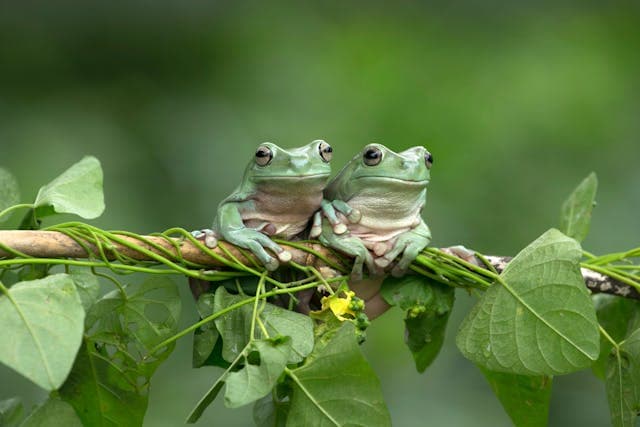
What Do Tree Frogs Eat? Tree frogs eat a diet consisting mainly of insects like crickets, flies, and moths, along with other small invertebrates, providing them with the necessary protein for their survival.
These amphibians rely on their diet to sustain their active lifestyle, whether they are living in the wild or kept as pets.
Understanding the Diet of Tree Frogs
Tree frogs are versatile eaters, primarily insectivorous, meaning that insects make up the bulk of their diet. Their diet can vary based on their species, environment, and availability of food sources. A well-balanced diet is crucial to maintaining their health, both in the wild and in captivity.
Insects: The Staple of a Tree Frog’s Diet
Insects are the primary food source for tree frogs, offering essential proteins and nutrients. In the wild, tree frogs catch their prey using their sticky tongues, making them skilled hunters.
- Common insects: Crickets, moths, flies, and beetles are typical meals for wild tree frogs. For pet tree frogs, crickets are the most common option, as they are easy to source and provide balanced nutrition.
- Feeding frequency: Adult tree frogs usually eat every 2-3 days, while younger frogs may need daily feedings to support their growth.
According to Reptiles Magazine, crickets are a go-to food for tree frogs in captivity due to their availability and the ease of dusting them with calcium supplements.
For more detailed information, check our article guide about what do frogs eat.
Other Invertebrates: Expanding the Diet
Beyond insects, tree frogs also consume a variety of other small invertebrates that they can find in their natural habitats.
- Spiders and worms: Tree frogs may eat spiders, caterpillars, and small worms when available, adding variety to their diet.
- Fruit flies: For smaller tree frog species or juveniles, fruit flies are an ideal food choice due to their size and ease of digestion.
According to Dr. Laura Simmons, a herpetologist, explains, “In captivity, it’s important to offer a range of insects to tree frogs to mimic their natural diet and provide essential nutrients.”
Animal World suggests varying the diet of captive tree frogs to ensure they receive a balanced mix of proteins and fats for optimal health.
Read about different types of invertebrates that serve as prey in the Wikipedia on invertebrates.
Calcium and Vitamin Supplements for Pet Tree Frogs
In captivity, tree frogs do not get the same variety of nutrients as they would in the wild, so supplements play a crucial role in their diet.
- Calcium dusting: Pet owners should dust crickets or other insects with calcium powder to prevent metabolic bone disease, a common issue in captive amphibians.
- Multivitamin supplements: Offering a multivitamin supplement every few weeks can help ensure pet tree frogs get the vitamins they need, especially if their diet lacks diversity.
For more on maintaining a balanced diet, see our tips for using supplements for pet frogs.
Josh’s Frogs emphasizes the importance of calcium supplementation for pet frogs to support bone health and overall well-being.


