Home
Home
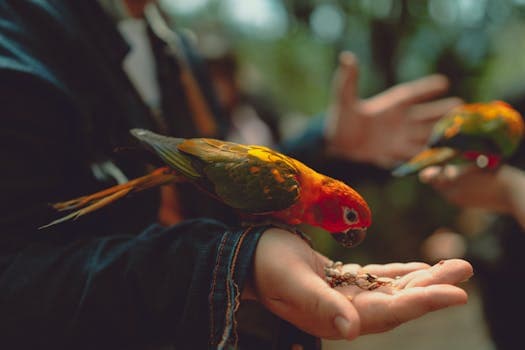
Treats can be an important part of bonding, training, and environmental enrichment for small exotic pets and farm companions. When used correctly, they support mental stimulation, reinforce desirable behaviors, and provide valuable nutrients. However, not all treats are appropriate for every species, and improper feeding can lead to digestive upset, obesity, or toxicity. This guide emphasizes safe treats, portion control, and practical ideas you can adapt to a range of species – from bearded dragons and ferrets to rabbits, guinea pigs, and backyard poultry.
General Guidelines for Safe Treats Across Species
Before you offer any treat, verify your animal’s species-specific dietary needs. Many exotic pets have specialized metabolisms or unique digestive systems that react poorly to certain foods. A good rule is to treat treats as a small portion of the daily intake, not a substitute for a balanced diet. Always choose treats that are fresh, clean, and free from pesticides or contaminants.

- Limit treats to a small percentage of daily calories. For most small pets, this means no more than 5-10% of daily intake as treats, with adjustments by species and health status.
- Offer treats as occasional rewards rather than free feeding options. Use them to encourage positive behaviors or provide enrichment, not as a staple food.
- Introduce new treats gradually. A sudden change in diet can disrupt digestion; monitor for changes in stool, appetite, or activity.
- Avoid toxic foods. Common foods like chocolate, caffeine, avocado, onion, garlic, and citrus rind can be dangerous for some species. When in doubt, consult a veterinarian familiar with exotic species.
Bearded Dragons and Other Reptiles: Safe Edible Enrichment
Bearded dragons are omnivores with a diet that includes insects, vegetables, and occasional fruit. Treats should be chosen with care to avoid excess sugar or high-fat content that can disrupt gut health. Small, infrequent pieces of appropriate fruit or vegetables can be offered as enrichment.
- Safe options include finely chopped leafy greens, cucumber, and small fruit pieces such as berry varieties in moderation.
- Avoid citrus fruits, high-sugar fruit syrups, and processed snacks. These can cause digestive upset or lead to obesity over time.
- Offer treats behind a training cue or during enrichment sessions to promote mental engagement.
For a practical example, you can explore guidance on strawberries for bearded dragons and how to balance treats within a dragon’s diet. This kind of information helps ensure that treats contribute positively to health rather than cause unintended problems.
Rabbits, Guinea Pigs, and Small Rodents: Gentle, Digestible Treats
Small herbivores like rabbits, guinea pigs, and many pet rodents have delicate digestive systems and specific nutrient requirements. Treats should be high in fiber, low in sugar, and free of additives. Fresh hay should remain the backbone of their diet, with treats acting as occasional boosts.
- Offer leafy greens like romaine, kale, or parsley as regular, low-sugar options. Use small nibbles as rewards during handling or training sessions.
- Healthy fruits such as apples (with seeds removed) or berries can be introduced in tiny portions. Avoid citrus for many species, as it can cause stomach upset or dental issues.
- Consider hay-based treats or small, chewable treats designed for fiber and dental wear, rather than sugary morsels.
Ferrets: Odd-Eyed Pals with Complex Diets
Ferrets are obligate carnivores with very specific protein and fat needs. Treats for ferrets should be high in animal protein and low in carbohydrates. They often respond well to small bites of lean meat or specially formulated ferret treats. Do not rely on fruit or sugary snacks as regular treats for ferrets.
- Offer small pieces of cooked, unseasoned meat or high-protein ferret snacks in moderation. Monitor for changes in energy or digestion.
- Never give dairy products, sugary snacks, or plant-based items that ferrets can’t metabolize efficiently.
- Learn about group dynamics and enrichment for ferrets, including their social needs and play behaviors, which can affect how treats are used in a multi-pet household.
Ferrets also have unique social structures. If you’re curious about ferret behavior and companionship dynamics, you can read more about ferret care and social harmony in resources such as do ferrets and cats get along and general ferret information like are ferrets good pets.
Chickens and Other Farm Companions: Treats That Support Behavior and Nutrition
Farm animals like chickens and other small livestock benefit from treats that encourage foraging, pecking order stability, and natural behaviors. Treats should be nutrient-dense but not calorie-dense to avoid obesity. Use treats to reinforce positive behaviors such as coming to you for feeding or performing simple tasks during training sessions.
- Offer safe, poultry-friendly treats like cracked corn in small amounts or small pieces of fruit or vegetables in moderation, ensuring they do not replace a balanced ration.
- Hardened treats or blocks designed for small farm animals can provide enrichment and dental wear while avoiding sugar overload.
- Provide enrichment by scattering treats to encourage foraging and exploration, which supports natural behaviors and reduces boredom.
Homemade Treats vs. Commercial Treats: Pros and Cons
Homemade treats give you full control over ingredients and portions. They also let you tailor treats to a specific animal’s dietary needs. Commercial treats offer convenience and often come in portion-controlled packaging designed for particular species. When choosing commercial products, look for options with minimal additives, natural ingredients, and clear feeding guidelines.
- Homemade options: pureed fruits (in small amounts and appropriate for the species), dehydrated vegetables, or meat-based bite-sized snacks prepared without salt or seasoning.
- Commercial options: choose products with recognizable ingredients and no artificial colors or high sugar content. Check the feeding suggestions on the label for your species.
- Always introduce new treats gradually and observe your animal for any signs of digestive upset or aversion.
Nutritional Considerations: Vitamins, Minerals, and Safe Additives
A balanced diet is the foundation of health for exotic pets and farm companions. Treats should supplement, not replace, essential nutrients. Some species benefit from occasional supplements, but only under veterinary guidance. Be mindful of high-fat, high-sugar, or high-salt contents, and avoid foods that could cause toxicity or adverse reactions.

- Fiber is crucial for herbivores. Choose greens and hay-based treats to support gut health.
- Protein-rich treats suit carnivorous or omnivorous pets, but portion control is essential to prevent obesity or digestive issues.
- Vitamin and mineral supplements should only be given if recommended by a veterinarian, as excess can be harmful.
Practical Treat Ideas by Species
Here are practical, species-specific ideas for safe treats that promote enrichment and well-being while staying within recommended guidelines.
Bearded Dragons and Similar Reptiles
- Small pieces of apple or berries in moderation, finely chopped greens, and cucumber slices.
- Crickets or mealworms offered during handling or training sessions, ensuring proper gut-load and gut-health practices.
- Herbal leaves such as cilantro or parsley as occasional flavor enhancements.
Rabbits, Guinea Pigs, and Small Rodents
- Fresh hay-based chews or small amounts of leafy greens as daily treats.
- Very small slices of apple or berries, with seeds removed where relevant and sugar kept to a minimum.
- Mini carrot pieces or cucumber nibs for mental stimulation during handling.
Ferrets
- Tiny bites of cooked chicken or turkey (unseasoned) as protein-rich rewards.
- High-protein, grain-free treats designed specifically for ferrets in tiny portions.
- Interactive play sessions with treat rewards to reinforce training cues.
Chickens and Small Farm Animals
- Cracked corn in moderation as a treat alongside a balanced ration.
- Small pieces of fruit and vegetable to encourage foraging and enrichment.
- Dental-friendly chews or grit-dusted treats that support digestion.
Common Pitfalls and How to Avoid Them
Even with good intentions, treats can become problematic if misused. Here are common issues and practical fixes to keep your exotic pets safe and healthy.
- Overfeeding: Set daily treat allowances and stick to them. If your pet is overweight, reassess portions and frequency.
- Unfamiliar foods: Introduce one new item at a time and monitor for digestive upsets, changes in stool, or behavior changes.
- Inappropriate foods: Avoid chocolate, caffeine, onion, garlic, citrus rind, and dairy for many species. When in doubt, consult a veterinarian with exotics expertise.
Monitoring Health and Responding to Changes
Keep a close eye on your pet after introducing new treats. Signs of intolerance can include vomiting, diarrhea, reduced appetite, lethargy, or changes in stool consistency. If you notice any unusual symptoms, discontinue the treat and consult your veterinarian. Regular health checks are essential to ensure treats align with the animal’s overall diet and body condition.
Feeding Plans: Sample Treat Protocols
Structured feeding plans help maintain consistency and prevent overfeeding. Below are sample protocols that you can tailor to your animals’ needs and preferences.
- Daily routine: Offer a small treat after meal times as a positive reinforcement for cooperative behavior or gentle handling.
- Weekly enrichment: Use a few treats in foraging games or puzzle feeders to stimulate natural behaviors.
- Seasonal changes: Adjust treat offerings to align with seasonal availability and the animal’s activity patterns.
Safety First: Storage, Handling, and Hygiene
Proper storage and handling of treats help preserve freshness and reduce contamination risks. Wash hands after handling raw meat, store perishables in the refrigerator, and discard any moldy or spoiled items. Keep all treats out of reach of animals that might ingest large quantities in a single sitting, and use appropriate containers to prevent contamination.
Safe treats are a meaningful tool for improving welfare, training outcomes, and enrichment for many small exotic pets and farm companions. By choosing species-appropriate foods, practicing portion control, and monitoring health, you can use treats to support health and happiness without compromising safety. For further reading on ferret companionship and behavior, explore additional resources on ferret-cat harmony and where ferrets fit in as household pets, ferret pet guide.