Home
Home
Introduction A Practical Question For Pet Owners
Many families consider exotic pets because they spark curiosity and offer unique companionship. Caring for exotic pets is not simply a hobby; it is a responsibility that requires planning, knowledge, and ongoing commitment. This guide provides actionable steps, practical tips, and clear advice to help you make informed decisions and create a safe, stimulating home for a non traditional animal companion.
Exotic pets are defined as species kept in households that are not typical domestic animals such as dogs or cats. These creatures range from small mammals and birds to reptiles and invertebrates. Understanding their needs is essential for their health, happiness, and welfare. You are about to learn how to assess suitability, create a care plan, and navigate common challenges with confidence.

What Counts As An Exotic Pet And Why It Matters For Families
Exotic pets are animals that typically require specialized housing, nutrition, enrichment, and veterinary care. They are not common household pets and their care often differs significantly from traditional pets. This distinction matters because it shapes daily routines, legal obligations, and the level of supervision needed for safe family interaction. Before bringing an exotic pet home you should evaluate your family dynamics, budget, and the long term commitment involved.
For instance, some families opt for small mammals like ferrets or guinea pigs while others might consider reptiles such as corn snakes or bearded dragons. Birds like cockatiels or parakeets can be highly social but demand enrichment and safe handling. Amphibians and invertebrates may require precise humidity and temperature controls. Recognizing these differences helps families avoid impulsive purchases and choose species whose care they can realistically sustain over many years.
Getting Started With The Decision Making Process
The decision to welcome an exotic pet should begin with a clear checklist. First, assess space and housing needs. Second, confirm local regulations and potential licensing or permits. Third, examine the animal’s dietary requirements and potential allergen exposure for family members. Fourth, plan for ongoing veterinary care with a specialist who understands exotic species. Fifth, prepare for enrichment and socialization to prevent stress and behavioral issues.
To support this process, you can create a family care plan that assigns responsibilities. For example, one person could manage feeding schedules while another oversees habitat hygiene. This shared approach fosters teamwork and ensures that no single member bears the entire burden. It also creates an opportunity to teach children about animal welfare and responsible pet ownership.
Key Health And Welfare Considerations For Exotic Pets
Health and welfare are the core pillars of successful exotic pet ownership. A healthy exotic pet requires proper housing, nutrition, medical prevention, and mental stimulation. Inadequate care can lead to chronic stress, illness, and shortened lifespans. Below are essential considerations for families.
- Habitat quality Ensure a habitat that mirrors natural conditions as closely as possible. Temperature, humidity, lighting, and enclosure size matter just as much as the species it houses.
- Nutrition Provide species appropriate diets, fresh water, and opportunities for foraging. Avoid cheap substitutes that can cause long term health issues.
- Preventive veterinary care Find a veterinarian with exotic animal experience and schedule regular checkups, vaccinations, and parasite control as recommended.
- Behavioral enrichment Offer play structures, foraging opportunities, and safe handling routines to minimize stress and prevent boredom.
- Social needs Some species thrive with companionship while others prefer solitary living. Understand your animal’s social preferences and structure your environment accordingly.
One common misstep is assuming that all animals of a given type have identical needs. Even within a species there can be individual variation due to age, sex, health status, and environmental history. Observing your pet closely and adjusting care plans is essential for welfare and safety.
Choosing The Right Exotic Pet For Your Family
Choosing an exotic pet should be a joint family decision grounded in facts and realistic expectations. Before visiting breeders or rescue centers, consider which species align with your home environment, time availability, and budget. Below are practical criteria to guide your choice.
- Time commitment Some species demand daily interaction and precise care routines. Estimate the weekly hours required for feeding, cleaning, enrichment, and veterinary visits.
- Space requirements Enclosures vary from compact terrariums to large multi level setups. Ensure you have safe, accessible space in your home and the ability to monitor temperature and humidity.
- Diet complexity A balanced diet with fresh ingredients may require regular shopping trips and preparation time. Consider any potential aversions or allergies in family members.
- Legal considerations Some exotic pets are restricted or require permits. Verify local laws and housing codes before committing to a species.
- Lifespan and commitment Many exotic pets live for years or decades. Plan for long term care and financial obligations across life stages.
For families new to exotic animals, it is wise to start with species known for being manageable with proper guidance. Speaking with a veterinarian who has experience with exotics can help you narrow down choices and avoid common pitfalls. In addition, rescue centers can offer animals with known temperaments and histories that may fit family lifestyles better than breeding options.
How To Prepare Your Home For An Exotic Pet
Preparation is critical for both safety and welfare. Start by setting up a dedicated space that is free from household hazards and accessible for regular cleaning. The enclosure should be escape proof and have secure locks, appropriate substrates, and non toxic materials. Temperature control, humidity regulation, and lighting should reflect the species requirements and be adjustable as the animal grows or seasons change.
Cleaning routines and hygiene are essential to prevent disease transmission and maintain a healthy living environment. Learn the recommended cleaning frequency and the best disinfectants approved for exotic species. Regular maintenance reduces odor, minimizes mite and parasite issues, and supports a sanitary habitat that encourages natural behaviors.
Diet And Nutrition For Exotic Pets
Nutrition is a foundational pillar of exotic pet health. A species specific diet prevents malnutrition, digestive problems, and metabolic diseases. When planning meals, consider seasonal variations in supply and the family’s ability to provide a diverse and balanced menu. For example, fruit flies for certain insects or leafy greens for herbivores can support enrichment while meeting nutritional needs. Avoid over feeding or feeding inappropriate items that can cause harm.
Practical tips include establishing a feeding schedule, rotating food types to ensure micronutrient coverage, and closely monitoring weight. In many cases, consulting with a veterinary nutritionist can fine tune diets and help prevent diet related disorders. Remember that some exotic pets have specialized needs such as insectivorous diets or plant based for herbivores, and others require fortified foods to meet calcium and vitamin requirements.
Veterinary Care And Emergency Planning
Finding a veterinarian with exotic animal expertise is essential for preventive care and timely treatment. Schedule annual wellness exams that include parasite screening, dental checks, and respiratory evaluations when appropriate. Build a relationship with a clinic that can provide therapeutic plans, vaccination schedules if applicable, and guidance on parasite control. In an emergency, having a first aid plan and a local emergency hospital that accepts exotic patients can save precious time.
Emergency planning also includes safe transport. Prepare a travel carrier that is appropriate for the species and learn safe handling techniques to minimize stress during trips to the clinic. Regularly update microchip information and keep medical records accessible for all caregivers in the household. These steps ensure continuity of care and reduce confusion during urgent situations.
Enrichment And Social Interaction For Family Harmony
Exotic pets thrive when their minds are engaged and their environments are stimulating. Enrichment activities simulate activities they would experience in the wild and help reduce stress. For some species this means foraging puzzles, scent trails, or puzzle feeders. For others it means interactive training sessions and supervised social time. Always tailor enrichment to the animal’s temperament and safety guidelines.

Social interaction is often a balancing act. Some exotic species enjoy regular handling and companionship, while others prefer space and quiet. Observe body language and set boundaries that respect the animal’s preferences. When children are involved, establish clear rules for gentle handling and ongoing supervision to prevent accidental injuries or stress responses.
Safety And Family Wellbeing When Living With Exotic Pets
Safety is not about restricting joy but about creating a safe environment for both people and animals. Know that some exotic species can bite, scratch, or carry zoonotic diseases. Teach children and visitors to respect the animal’s space, avoid sudden movements, and wash hands after handling. Use protective gear when necessary and maintain a clean and organized living space to minimize risk of accidents.
Additionally, consider the impact on other household pets and neighbors. Some exotics may be sensitive to noise or activity levels and require sound dampening measures or dedicated housing areas to prevent stress. Communicate clearly with family members and set consistent routines that promote harmony in the household.
Legal And Ethical Considerations Involving Exotic Pets
Legal and ethical complexities surround exotic pet ownership. Regulations vary by country and region, and some species require permits or outright bans. Responsible ownership means staying current on legal changes and adhering to welfare standards. Ethically, families should prioritize the animal’s welfare, ensure that purchases do not contribute to wildlife trafficking, and opt for reputable sources such as rescue organizations or licensed breeders who follow welfare guidelines.
Species Spotlight Examples And Practical Guidance
Below are practical profiles of popular exotic pet categories and how families can approach care responsibly.
Small Mammals And Rodents
Small mammals such as sugar gliders and guinea pigs offer companionship and manageable housing, but they require daily attention and a balanced diet. Helpline support from a veterinarian can answer questions about calcium supplementation and social housing arrangements. A well designed enclosure with multiple levels and enrichment ensures that these animals stay physically and mentally healthy.
When introducing children to these pets, supervise interactions to prevent accidental harm and create positive associations with gentle handling. You can rotate toys and hide treats to stimulate foraging behaviors and maintain interest. Enclosures should be escape proof and easy to clean to support a clean living environment for the family.
Reptiles And Amphibians
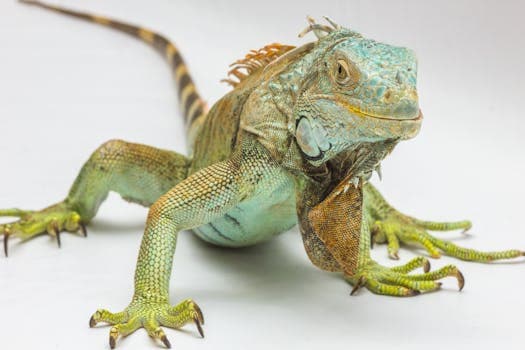
Reptiles such as bearded dragons and corn snakes require precise heat, light, and humidity control. A dedicated thermostat and UVB lighting are often essential for metabolic health. Feeding regimens vary widely; some species eat primarily insects while others eat vegetables or small prey. Always source husbandry supplies from reputable vendors and avoid feeding wild caught prey that could introduce parasites.
Be mindful that many reptiles grow large and require long term housing commitments. Ensure you have a secure enclosure with proper substrate and safe handling practices to minimize stress during maintenance. Regular veterinary checkups with a reptile specialist help monitor hydration, digestion, and dental health.
Birds And Avian Companions
Birds can be rewarding family pets but they demand social interaction, enrichment, and space. Smaller birds may enjoy daily interaction with family members, while larger parrots require ongoing mental stimulation and structured training. Provide perches, foraging toys, and a quiet retreat area to reduce stress. Nutrition should focus on a varied diet including formulated pellets, fresh produce, and appropriate seeds.
Bird housing should minimize escape risks and take winged mobility into account. Regular handling and gentle socialization help maintain trust, but never force interaction if a bird shows stress signs. Family discussions should include the responsibilities of daily care and potential long term commitments.
How To Transition From Concept To Real World Care
Translating a concept into a sustainable care plan involves research, consultation, and phased implementation. Begin with a trial period in which the family observes the animal’s behavior, tolerance to handling, and environment needs without full time commitments. This approach helps identify potential challenges before making a final decision.
Once you decide to proceed, secure the necessary equipment, set up a safe enclosure, and establish a routine. Keep a log of feeding times, enrichment activities, and health observations. Share responsibilities among household members and rotate tasks to keep everyone engaged. Regular reflection on the experience helps refine the care plan and supports a positive family dynamic.
Conclusion A Practical Family Guide To Exotic Pets
Exotic pets can enrich a family life when cared for responsibly, with careful planning, ongoing education, and a steady commitment. The right animal, properly housed and well nourished, becomes a reliable companion and a learning opportunity for children and adults alike. By prioritizing habitat quality, nutrition, medical care, enrichment, and safety, you set the stage for a rewarding relationship that lasts for years.
As you consider whether an exotic pet is right for your family, remember that research and professional guidance are your strongest allies. If you decide to move forward, start with small, manageable species, work with a qualified veterinarian, and gradually expand your knowledge. The goal is a thriving home where both humans and animals can flourish together.
Call To Action For Families Interested In Exotic Pets
If you are a pet owner exploring exotic options, begin by evaluating your home, finances, and time commitments. Reach out to a veterinary professional who specializes in exotic species to discuss your plans. Consider volunteering or fostering at a local rescue to gain hands on experience before making any long term decisions. Your responsible choice today shapes a healthy future for your family and your animal companion.