Home
Home
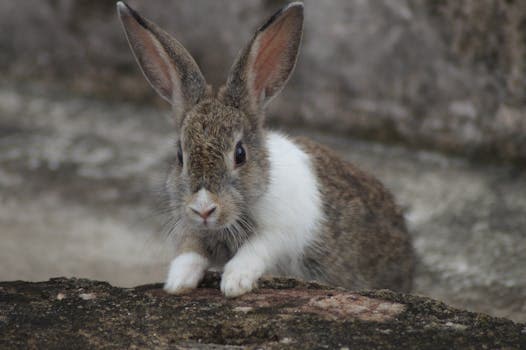
Treats should complement a balanced diet, not replace it. For rabbits and many small pets, the core diet is hay, fresh vegetables, and a measured amount of pellets. Treats are a way to reinforce positive behavior, provide mental stimulation, and add variety, but they must be chosen carefully. Start with small portions, observe how your pet responds, and adjust based on digestive health and energy levels.
When selecting treats, look for options that are low in sugar, free from artificial colors or flavors, and free of seeds that could be choking hazards. Read ingredient lists closely; avoid anything with preservatives or added salt. If you have multiple species in the household, remember that what works for one may not be suitable for another. Always consult your veterinarian before introducing a new treat, especially for pets with health concerns.
To help you make informed choices, this guide covers safe treat ideas, portion guidance, preparation methods, and ways to incorporate enrichment with edible rewards. We’ll also highlight pet-specific considerations for rabbits, small mammals like guinea pigs and chinchillas, and other exotic companions where applicable.

Safe Treat Ideas for Rabbits
Rabbits thrive on a high-fiber diet. Treats should be high in hay or leafy greens, with occasional fruits or specialized snacks used sparingly. Here are practical options you can offer today:
- Leafy greens as daily rewards. Offer a small portion of parsley, cilantro, or romaine as a treat after grooming or training sessions.
- Herbs and edible flowers. Fresh dill, basil, or edible flowers like marigold can be occasional rewards. Avoid flowers with pesticides or that are not rabbit-safe.
- Small fruit bites. A tiny piece of apple, pear, or berry can be a rare treat – no more than 1-2 tablespoons per 4-6 pounds of body weight per day.
- Low-sugar hay-based sticks. Choose plain, unsweetened hay sticks or pellets with the lowest sugar content acceptable for daily feeding.
- Wooden chew toys with edible coatings. Natural, untreated wood chews that are safe for gnawing can be paired with a tiny herb dip as a reward.
Safe Treat Ideas for Small Mammals
Guinea pigs, hamsters, gerbils, and similar pets often share similar dietary needs but with species-specific nuances. Use these safe options as occasional rewards or enrichment:
- Vegetable slices. Carrot shavings, cucumber rounds, or bell pepper strips can be given in small amounts as a treat alongside their regular greens.
- Fruit in moderation. Thin slices of melon or a small grape can be used sparingly, taking care not to exceed 1-2 teaspoons per 2-4 pounds of body weight per day.
- Frozen treats for enrichment. A small cube of frozen fruit might be used during hot days, but ensure it’s unsweetened and offered in tiny portions.
- Herbal mixes for enrichment. Fresh dill or parsley tied in a bundle can be used as a gentle scavenger hunt reward inside their enclosure.
Which Treats to Avoid
Some foods commonly found in households can be dangerous for rabbits and other small pets. Avoid these to prevent gastrointestinal upset or more serious problems:
- Sugary, processed snacks. Cookies, candy, crackers, or anything with added sugar.
- Seeds, nuts, and large dried fruits. They are hard to digest and may cause choking.
- Onions, garlic, chives, or leeks. Considered toxic to many small pets.
- Avocado, chocolate, caffeine, or alcohol. Highly toxic to rabbits and small mammals.
- Raw beans and potatoes. Tough to digest and can cause digestive distress.
Portion Guidelines and Frequency
Portion control is essential for preventing digestive upset. A good rule of thumb is to treat only 5-10% of daily caloric intake. For rabbits, this usually translates to a small handful of greens or a tiny fruit portion per day, depending on body weight and overall diet. For small mammals, treat portions are even smaller, scaled to their size and activity level.
Offer treats after a regular meal when the digestive system is active. Avoid giving treats right before bed to reduce the risk of digestive disruption during rest. If your pet shows signs of diarrhea, gas, or decreased appetite after a treat, cut back or stop offering that item and consult a vet.
How to Prepare Nutritious Treats at Home
Homemade treats give you control over ingredients and sugar content. The key is to preserve fiber content and avoid high-sugar components. Here are simple, vet-friendly ideas you can start this week:
- Herbal ice pops for enrichment. Puree leafy greens with a splash of water and freeze in small molds. Offer as a cool reward on hot days.
- Leafy greens skewers. Thread short greens onto chew-safe wooden sticks as a DIY enrichment toy plus treat.
- Herb sachets. Dried herbs placed inside a paper tube or cardboard box encourages foraging-like behavior.
- Fruit-topped hay treats. Mix finely chopped fruit with shredded hay and press into small, flat treats to nibble on.
When making treats at home, avoid adding salt, sugar, or artificial flavorings. Use organic produce when possible and wash all vegetables thoroughly to remove pesticides. Always test new recipes with your veterinarian, especially if your pet has a sensitive stomach or chronic health conditions.
Special Considerations for Rabbits
Rabbits have a delicate digestive system that relies on continuous fiber intake. Treats should not replace daily hay. A common pitfall is giving too many fruit-based treats that can lead to dental issues and obesity. Instead, emphasize high-fiber options and limit fruit to occasional rewards.
Rabbits also have specific dental needs. Even small treats can contribute to tooth wear. Offering fibrous materials like hay-based chews, safe leafy greens, and wood-based enrichment supports natural grinding and reduces the risk of malocclusion.
Special Considerations for Other Small Pets
Chinchillas, hamsters, gerbils, and guinea pigs each have unique dietary needs. Some general rules apply, but always verify with a vet for your particular species and life stage.

- Chinchillas. High-fiber hay, limited fresh greens, and small occasional pieces of fruit. Impaction or digestive upset can occur if treats are too rich.
- Guinea pigs. They require vitamin C-rich greens and may not digest some fruits as readily. Use small portions of safe produce and supplement with hay-first diets.
- Hamsters and gerbils. Small, crunchy treats can support foraging. Avoid sticky or sugary snacks that can cause dental problems.
Confident Feeding: How to Read Labels and Choose Quality Treats
Reading labels is essential for safety. Look for ingredients that you recognize as whole foods. Avoid items with high-fructose corn syrup, artificial colors, and preservatives. If a product includes added vitamins, confirm they are appropriate for your species and age. Some supplements may interact with medications or existing health conditions, so check with a veterinarian before adding fortified treats.
For many pet owners, pre-packaged treat options are convenient. Choose products that provide clear serving sizes and are formulated for your pet’s species. If you’re unsure about a product, bring the ingredient list to your next vet visit for advice.
Enrichment and Training: Treats as Behavioral Tools
Treats aren’t just food; they’re tools for teaching and enrichment. Short training sessions using tiny rewards help with litter training, handling, and confidence building. Use a predictable cue, offer a small treat as reinforcement, and gradually increase the difficulty of the task while keeping sessions brief to prevent stress.
Keep treats separate from the main meals to avoid overfeeding. Use a dedicated treat pouch or a specific container to prevent confusion between meal portions and rewards. Consistency matters: reward the same desirable behaviors with the same size of treat, and gradually vary the treat type to maintain interest and curiosity.
Clinical Signs: When to Seek Veterinary Advice
Even with careful planning, some treats can cause adverse reactions. Watch for changes in appetite, stool consistency, gas, bloating, or lethargy after a treat. If you notice any signs of digestive upset or allergic reactions, discontinue the treat and contact your veterinarian. Certain conditions, like inflammatory bowel disease or obesity, require stricter dietary control and professional guidance.
Pregnant or nursing animals may have different nutritional needs, and treats should be used cautiously. Always consult with your vet before giving any new food during pregnancy or lactation, as some items can affect fetal development or milk production.
Case Studies: Real-Life Scenarios for Nutritious Treats
Case studies can illustrate practical applications of these guidelines. Here are two anonymized examples that show how to implement safe, nutritious treats in everyday life:
- Case A: Rabbit loves parsley, but sugar sneaks in elsewhere. A rabbit owner uses parsley as a daily treat reward during grooming. They limit fruit to a weekly occasion and monitor stool quality. After adjusting, the rabbit’s energy level remains steady and coats stay shiny.
- Case B: Guinea pig with sensitive digestion. A guinea pig with mild GI upset benefitted from eliminating fruit entirely and replacing it with fibrous leafy greens. A vet-approved herbal treat was introduced sparingly as enrichment to reduce stress during handling.
Quick Reference Checklist
- Base diet: hay, fresh greens, and appropriate pellets
- Treats: small portions, low sugar, no artificial additives
- Portion guidelines: 5-10% of daily calories
- Enrichment: use treats for training and mental stimulation
- Vet guidance: consult before introducing new foods
Frequently Asked Questions
Can rabbits eat all fruits? No. Provide only small portions of fruit and prefer fiber-rich greens most of the time.
Are there treats I can safely share with other small pets? Some vegetables and herbs can be shared with multiple species, but always verify species-specific safety before mixing diets.
For more about species interactions and care nuances, see our related resources like ferret group names and our broader exotic-pets care articles.
Final note: Always supervise your pet when introducing new treats, and tailor portions to your animal’s age, weight, and activity level. Regular veterinary checkups help ensure your pet’s treats support wellness rather than undermine it.
Checklist Redeemed: This article has been updated to emphasize practical, safe, and enrichment-focused treat practices for rabbits and small pets. It avoids meta commentary and extraneous linking while staying focused on actionable guidance for readers seeking nutritious reward ideas.