Home
Home
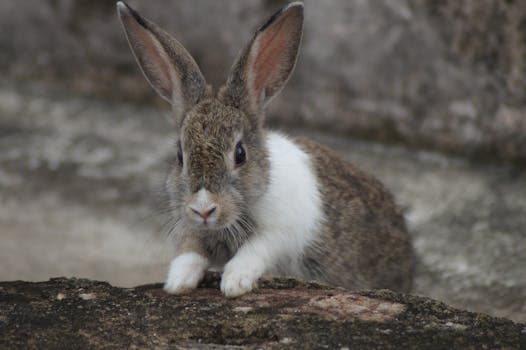
Rabbits thrive on a diet that mirrors their wild herbivorous heritage: high roughage, constant access to fresh water, and a careful balance of vegetables and limited treats. In the pet world, misinformation can travel fast. This guide cuts through the noise with practical, science-backed steps you can implement today to keep your rabbit healthy, happy, and digestive systems calm.
Before we dive into lists of foods, take a moment to understand how to read your rabbit’s signals. Rabbits communicate through appetite, stool quality, fur condition, and activity. A healthy bunny drinks water regularly, chews persistently, and maintains a well-formed stool. Any deviation – from soft stools to sudden weight loss – should prompt a vet visit. A steady routine and clear boundaries around food help reduce stress and prevent GI stasis, a potentially life-threatening condition.
What “Safe” Really Means for Veggies
Safe veggies are those that are high in fiber but low in calories and starch. They support gut motility and provide essential vitamins without upsetting the delicate microbial balance in a rabbit’s cecum. A general rule of thumb is to offer mostly hay with a daily mix of leafy greens and a small portion of other vegetables. Fruits, grains, and starchy treats should be occasional, not daily, and always in tiny quantities.

Start with a baseline pile of hay in the morning. Hay should form the backbone of every meal, constituting the majority of daily intake. Then offer a handful of leafy greens – think romaine, kale, cilantro, parsley, and dandelion greens. Rotate greens to ensure a broad spectrum of nutrients while avoiding overreliance on any single nutrient profile.
Vegetables That Make the Cut (Safe Choices)
Safe greens and veggies can include:
- Romaine lettuce (not iceberg)
- Kale (in small amounts, due to high calcium)
- Parsley
- Cilantro
- Dandelion greens
- Red leaf lettuce
- Mustard greens
- Spinach (sparingly, due to oxalates)
- Herbs like parsley and dill
When introducing any new green, do so gradually over several days to monitor digestion. A sudden change can disrupt gut flora and trigger digestive upset. Always wash greens thoroughly to remove pesticides and dirt, and remove any wilted or spoiled portions before serving.
Which Veggies to Avoid (Common Pitfalls)
Some vegetables are best avoided or limited due to gas production, high sugar, or digestive complexity. Common culprits include:
- Iceberg lettuce
- Onions, garlic, and chives
- Potatoes and other starchy vegetables
- Tomato leaves and stems (ripe tomatoes in small amounts are sometimes accepted, but stems should be avoided)
- Raw beans or high-starch legumes
Be mindful of root vegetables like carrots, beets, or sweet potatoes. While rabbits may enjoy them, these foods should be limited because they are calorie-dense and can disrupt the fiber balance if fed in excess. A small cube once or twice a week can be acceptable for some rabbits, but use caution and observe digestion and weight changes.
Fruiting Treats: When and How Much
Fruits are a tempting treat but should be offered sparingly due to natural sugars. Consider fruits as occasional rewards rather than daily fare. Examples include apples (no seeds), berries, and small slices of pear or melon. A practical approach is to offer a tiny piece of fruit the size of a marble a few times per week, and none on days when your rabbit’s diet is already rich in greens and hay.
Always remove seeds, pits, and cores, which can cause choking or contain toxins. If your rabbit has never had a fruit before, introduce it in the smallest possible amount and monitor for signs of diarrhea, gas, or reduced appetite over 24 hours.
Proper Hydration and Water Management
Clean, fresh water should be available at all times. Some rabbits prefer to drink from a water bottle, while others use a bowl. If you switch between options, do so gradually to avoid gut upset. Add water-rich greens to contribute hydration, but remember they are not a substitute for drinking water.
Practical Feeding Schedule for Busy Owners
Consistency matters. A practical daily plan might look like this: hay available at all times, a fixed greens serving in the morning, a modest fruit reward in the afternoon, and a tiny nibble of other permitted veggies as a slow, rotate-through. Keep a simple food log for a few weeks to spot patterns in stool, weight, and energy levels.

Signs Your Rabbit Is Digestively Healthy
Healthy rabbits show consistent appetite, firm stool, and a calm demeanor. Stool should be small, rounded pellets that are cohesive and not slip-sliding or too dry. If you notice diarrhea, very soft stools, or a sudden loss of appetite, consult a veterinarian promptly. A sudden change in water intake or droppings can be an early warning sign of GI distress.
Common behavioral indicators of good health include regular grooming, steady activity, and normal head movements without signs of discomfort. If your rabbit hides, is lethargic, or shows signs of pain when touched, seek veterinary care. Early intervention often yields better outcomes.
Common Myths About Rabbit Diets Debunked
Myth: “Rabbits can eat every vegetable in my fridge.” Reality: Even safe greens must be introduced gradually and rotated. Too much of any single vegetable can disrupt fermentation in the hindgut. Myth: “Fruit is a daily staple.” Reality: Fruit should be a rare treat due to sugar content and dental concerns. Myth: “Carrots are essential for bright eyes.” Reality: Carrots are high in sugar and low in fiber compared with greens; they aren’t a required staple in a balanced diet.
Myth: “If it’s green, it’s good.” Reality: Green vegetables vary in calcium, oxalate, and sugar content. Moderation and variety are key to avoiding mineral overload or gut upset. By prioritizing fiber-rich hay and a rotating greens list, you can support a healthy gut microbiome and steady energy levels.
Integrating a Balanced Diet with Veterinary Guidance
Dietary decisions should balance a rabbit’s species-typical needs with any individual health considerations. If your rabbit has dental issues, obesity, or a history of GI problems, you may need a tailored feeding plan created with your veterinarian. Regular check-ups help track weight, dental wear, and stool quality, ensuring your feeding approach remains aligned with your rabbit’s evolving needs.
How to Handle Food Changes Safely
Whenever you introduce new greens, do it a few leaves at a time. Monitor appetite, stool, and gas. If you notice signs of distress, pause the new item and revert to previously tolerated greens for several days before reintroducing in smaller quantities. A slow, deliberate transition reduces the risk of GI upset and helps you pinpoint any problematic items.
Becoming a Proactive Rabbit Parent: Practical Tools
Tools and routines can make a big difference. Use a daily feeding chart to track hay intake, greens variety, and portion sizes. A simple digital or paper log helps you notice subtle changes that might signal a dietary issue before it becomes serious. Consider keeping a small kitchen scale to measure portions accurately, especially if you’re adjusting weight or addressing dental concerns.
Practical Quick-Reference List
- Always prioritize unlimited hay as the foundation of the diet.
- Offer a diverse mix of leafy greens daily, rotating several varieties.
- Limit fruits to tiny portions as occasional rewards only.
- Avoid high-starch vegetables and onions; wash all greens thoroughly.
- Introduce new greens slowly and observe for digestion cues.
- Consult your vet if there are changes in appetite, stool, or behavior.
In the world of exotic pets, keeping a rabbit healthy means marrying practical feeding routines with veterinary insight. For owners juggling multiple exotic species, a cohesive approach to mixed-species care reduces accidental dietary missteps and supports overall welfare.
If you keep other small mammals at home, make sure their diets are species-appropriate rather than borrowing ideas from a single pet’s routine. If you’re unsure about any item, ask your veterinarian before adding it to your rabbit’s menu.
A Practical, Safe Path Forward
By building your rabbit’s meals around hay, a rotating selection of leafy greens, and only occasional fruit or other treats, you create a stable, gut-friendly routine. Small, deliberate changes reduce the risk of GI upset and dental problems, while keeping meals exciting enough to prevent picky eating. Use a simple feeding plan, monitor your rabbit’s response, and stay in touch with your veterinarian for personalized guidance.