Home
Home
Morning Guardrails: Start Strong, Start Safe
The day begins with routines that set tone, energy, and safety for your dog. A reliable morning sequence reduces anxiety and helps your dog transition from night to day with confidence. A short, consistent routine also makes vet visits and stressful events easier to manage because your dog already trusts the rhythm of the day.
Begin with a slow wake up routine. A few minutes of gentle petting or a calm voice cue your dog that the day has started. Offer a fresh bowl of water and a small, balanced breakfast if your schedule allows. Keep feeding time consistent to support digestion and energy levels throughout the morning.

Next, a quick bathroom break outside or in a designated potty area is essential. If you have a yard, a brief sniff-and-pee period helps your dog mark routines for the day. If you live in an apartment, a short leash walk around the block signals movement and helps prevent indoor accidents later.
Hydration and Nutrition Rhythm
Water is the backbone of daily protection. Make hydration part of the routine, replenishing water after every activity, especially after exercise or play. Clean bowls, fresh water, and accessible sources reduce the risk of dehydration and encourage steady energy.
Nutrition matters just as much as timing. Feed your dog at roughly the same times each day. If your dog has special dietary needs, speak with a veterinarian to design a plan that aligns with activity level, age, and health conditions. Avoid free feeding for adult dogs who tend to overeat. Structured meals support metabolism and mood stability.
Exercise as Protection: Physical and Mental Fitness
Daily exercise is a shield for joints, heart health, and mood. A mix of aerobic activities, strength work, and mental challenges keeps dogs balanced and less prone to behavior issues tied to boredom. The exact amount depends on breed, age, and health, but most dogs benefit from at least 30 minutes of purposeful activity each day.
Split exercise into two sessions if possible. A morning walk paired with a later playtime or training session can mimic natural activity cycles and reduce overnight restlessness. Include variety such as brisk walks, fetch, or hiking when safe. Always consider weather and terrain to protect paw pads and joints.
Mental stimulation is part of protection too. Integrate puzzle feeders, scent games, or trick training into daily routines. A mentally engaged dog is less likely to engage in destructive behaviors out of boredom or anxiety.
Grooming as a Daily Health Check
Grooming should be a calm, routine activity that doubles as a health check. Short daily touches help you notice changes in coat, skin, eyes, ears, and nails. For dogs with short coats, a quick brushing can remove loose hairs and distribute natural oils, supporting skin health and comfort.
For dogs with longer coats, a light brushing session before and after walks prevents matting and reduces shedding in high-traffic areas. Even a minute or two of brushing can be a bonding moment that strengthens trust and reduces stress during grooming sessions at the vet or groomer.
Health Guardrails: Preventive Care That Stays Top of Mind
Protective routines extend beyond daily movement and feeding. Regular health monitoring catches issues early when they’re easiest to treat. Check your dog’s eyes, ears, teeth, and coat during routine interactions. Note any changes in appetite, energy, urination, or stool, and report them to your veterinarian promptly.
Annual wellness exams, dental cleanings when indicated, and vaccinations are critical components of protection. Discuss a preventive care plan with your veterinarian that aligns with age, breed, and lifestyle. A proactive plan helps keep your dog comfortable and happy for years to come.
Temperature and Weather: Safe Handling in All Climates
Weather drives safe daily routines. In hot weather, protect paws from hot concrete and monitor for heat exhaustion. Provide shade, fresh water, and short, early walks to avoid peak sun. In cold weather, protect joints with appropriate gear and limit exposure to extreme temperatures. Adjust activity duration and intensity to keep joints safe and muscles warm.
Humidity, air quality, and extreme weather can influence your dog’s well being. If you notice coughing, breathing changes, or lethargy during or after outdoor time, reassess activity intensity and consult a vet as needed.
Training Touchpoints: Gentle Guidance Throughout the Day
Daily routines are a perfect canvas for training. Short, consistent training sessions reinforce manners, safety, and confidence. Focus on basic obedience, impulse control, and real life skills your dog uses every day. Positive reinforcement with treats, praise, or play strengthens learning and fosters a cooperative mood.
Include door manners, waiting at thresholds, recall during walks, and polite greetings. Training should always be fun and free from punishment. The goal is a dog that listens reliably and enjoys the process as part of daily life.
Socialization and Safe Interactions
Social routines keep dogs emotionally balanced. Regular, controlled exposure to different people, animals, environments, and sounds helps reduce fear and reactivity. Start with known, calm companions and gradually introduce new experiences under supervision. Always prioritize safety and comfort, stopping if your dog shows signs of stress.
Build in structured social opportunities like leash polite meets, supervised dog park visits with clear boundaries, or play dates. After social time, provide a calm transition period so your dog can settle back into a routine without feeling overwhelmed.

Home Environment: Designated Safe Spaces
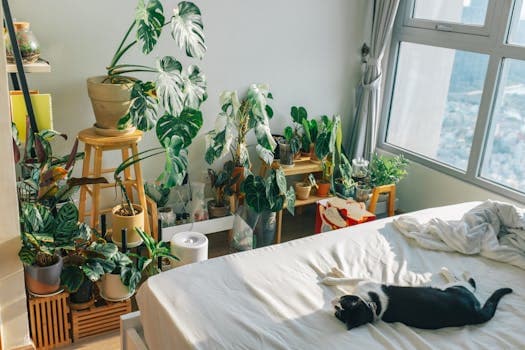
A predictable home layout contributes to daily protection. Create a quiet, comfortable space the dog can retreat to when stressed or tired. A consistent resting area reduces anxiety and improves sleep quality, which in turn supports daytime mood and energy.
Keep essential supplies within easy reach: bowls, treats, a favorite toy, and a familiar blanket. A tidy, organized space minimizes the chance of accidents and supports a calm, safe daily rhythm.
Travel and On-The-Go Routines
Protective routines should travel with you. When you’re away from home, bring familiar items and maintain feeding times as closely as possible. Pack a basic first aid kit for dogs and a recent medical history in case of emergencies. Short travel breaks for bathroom and exercise help keep dogs calm during long trips.
On arrival at new places, establish quick yet clear routines for meals and potty breaks. Consistency reduces stress and helps your dog adapt to new environments more quickly.
Emergency Preparedness: Staying Ready for the Unexpected
Partner daily routines with a plan for emergencies. Keep a list of emergency contacts, including 24-hour veterinary clinics, on your fridge for quick access. Have a portable carrier or leash ready for swift, safe transport in case of sudden events. A practiced evacuation plan can be a lifesaver in natural disasters or home emergencies.
Practice calm, deliberate responses to common scenarios like accidental ingestion of hazardous items or unexpected loud noises. Your calm approach helps your dog stay centered and cooperative during stress.
Seasonal Adjustments: Tailoring Routines to the Year
Seasonal changes affect energy levels and safety needs. In spring and summer, insects, pollen, and outdoor allergens can influence comfort and appetite. In autumn and winter, shorter daylight hours and cooler temperatures alter outdoor activity choices. Make small adjustments to activity length, indoor enrichment, and hydration to accommodate seasonal shifts.
Seasonal changes are also a good time to double-check vaccination status, parasite prevention schedules, and dental health routines. A yearly review helps ensure your dog remains protected as conditions evolve.
A Practical Week: Sample Daily Schedule for Most Dogs
A practical schedule integrates protection into real life. While every dog is unique, a well-rounded daily plan often follows a familiar rhythm that balances exercise, training, and rest. Use this as a starting point and tailor it to your dog’s needs and your family’s routine.
Morning: Wake up with a gentle greeting, bathroom break, and a portioned breakfast. A short walk or sniffing session outdoors sets the day. Follow with a quick groom and a mental challenge such as a puzzle toy or a few trick cues.
Midday: Provide a brief outdoor break if you’re away from home. A mid-day meal or snack aligned with the dog’s schedule helps maintain energy. Short training bursts or a scent game can happen during this window to prevent boredom.
Afternoon: A longer exercise session if energy allows. This could be a hike, a jog with you, or a play session with a toy. End with a cool-down period and a brief calm downtime in the safe space.
Evening: Dinner time with a consistent routine. A slow wind-down activity like gentle brushing or listening to music can help prepare for sleep. Final bathroom break before bedtime ensures a peaceful night for both you and your dog.
Common Pitfalls and How to Avoid Them
Rushing through routines can create stress for you and your dog. Take time to observe how your dog responds to each element and adjust accordingly. If a routine triggers anxiety or restlessness, break it into smaller, gentler steps and reward progress.
Overloading your dog with too many new activities at once can backfire. Introduce changes gradually and celebrate small successes. A stable routine with occasional gentle additions is far more effective than frequent, abrupt changes.
Conclusion: A Protective Routine as a Lifestyle
Protective daily routines are about consistency, safety, and well being. When you design a daily plan that covers physical health, mental stimulation, grooming, and emergency readiness, you create a foundation for a happy, confident dog. The goal is not to limit your dog’s life but to empower them to thrive within a secure, predictable structure.
Start with small changes you can sustain. Track how your dog responds and gradually refine your routine. With time, the protective daily routine becomes second nature, offering your dog the stable environment they deserve.