Home
Home
Introduction and overview
You want safer walks with your dog and reading body language is the key. This guide shows practical signs your dog uses to communicate feelings and intentions. By learning these cues you can prevent tension and create calmer outings for both of you. Start with simple observations and build to confident responses on every walk.
In this article you will find clear definitions of canine signals and a step by step method to apply them in real time. We use is and are definitions in the first section so you can grasp core ideas quickly and apply them during your next stroll. You will also find a practical checklist you can use on any walk to stay aware and proactive.

What is body language in dogs and why it matters on walks
Body language in dogs is a set of signals expressed through posture tail movements facial expressions and ear position. These cues reveal emotional states such as fear excitement arousal or aggression. Reading these signals is essential on walks where dogs encounter people other dogs or new environments. Clear signals help you avoid triggers and keep the encounter safe and respectful.
Being able to interpret signals is a safety tool. If you notice stiff posture stiff tail raised hackles a closed mouth or a pinned back ear position you should slow down and assess the situation. When a dog relaxes with a loose gait a wagging tail at mid height and forward ears the moment is usually friendly. The goal is to respond in a way that matches your dogs needs while still being decisive for safety.
How to read essential signals in real time on walks
- Observe posture : note whether the body is loose and comfortable or rigid and tense. A relaxed body invites exploration while stiffness can signal potential stress or threat.
- Check tail position : a tail carried low or at neutral height often means calm or focus. A tail tucked between legs signals fear and a tail held high can indicate alertness or arousal. A fast movement or stiff tail suggests tension.
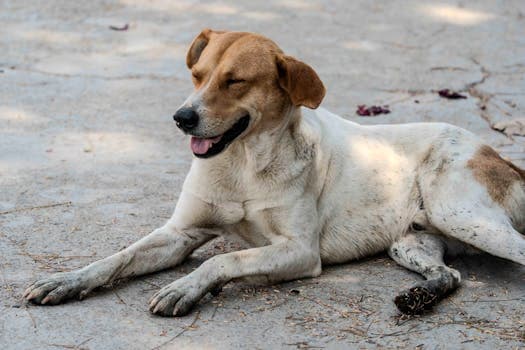
- Watch facial expressions : open mouth with a soft gaze is usually friendly while hard eyes pinning or a closed mouth can signal discomfort. Ears facing forward or sideways provide context on what has captured attention.
- Listen to vocal cues : occasional whines or soft sighs may reflect stress or desire for space. Growling or stiff snarling is a clear warning and requires distance and calm redirection.
- Notice body alignment : a dog facing away or turning its body away from a trigger is seeking space. A dog leaning toward a person or dog may be inviting contact or testing safety. Use this data to guide your approach.
What to do when you detect signs of stress or potential conflict
First create space. Slow your pace and gently position yourself and your dog at a safer angle. Second use distance management. Increase space between your dog and the trigger keeping movements slow and predictable. Third offer a safe alternative such as a short calm sit or a brief sniff from a safe distance. Fourth redirect attention with a cue your dog knows well and reward calm behavior. Fifth end the interaction early if tension remains high and plan a new route or a rest break.
Practices like leash training and consistent cueing amplify safety. For example use a cue such as stay or look at me to maintain focus during a tense moment. Consistent practice builds reliable responses that protect both you and your dog during walks.
Comparison table how to read signals versus common misreads
- Signal or misread : relaxed body with a wagging tail can be misread as over friendliness when the dog is actually unsure. Correct reading shows loose shoulders and a gentle tail wag rather than a stiff tail or head turning away.
- Signal or misread : a tucked tail often signals fear not aggression. Misreading as submissive behavior can lead to forced contact which increases risk. Recognize the need for space.
- Signal or misread : ears forward may indicate attention not aggression. Combine with body posture to understand intent rather than relying on a single cue.
Practical tips for safer walks every day
- Practice observation for 60 seconds before starting a walk and note any signs of stress.
- Carry treats for easy redirection and reinforce calm behavior after each calm moment.
- Use a front clip harness or a well fitted collar to improve control during close encounters.
- Plan routes away from heavy dog traffic if your dog shows signs of fear or discomfort.
- Pair walking time with short training sessions to strengthen focus and responsiveness.
Frequently asked questions
What should I do if my dog shows signs of fear on a walk : give space reduce triggers and practice detour routes. Use a calm voice and a trusted cue to regain control and comfort.

How can I teach my dog to signal when they want space : reward calm behavior and use a consistent cue such as look at me or stay during tense moments. Reward pauses that indicate space seeking.
Are there signs I should not ignore during a walk : pinned ears stiff body tensed posture a hard stare or growling require immediate distance and redirection to prevent escalation.
Conclusion and takeaways
Reading your dogs body language on walks is a practical skill that improves safety and enjoyment. By understanding posture tail and facial cues you can anticipate reactions and act with confidence. Start with small daily checks and gradually apply the steps in this guide. You will build a calmer routine that supports your dogs wellbeing and your peace of mind on every walk.
Call to action
Apply these cues on your next walk and share your experiences in the comments. For more practical guides on pet care and dog training visit our Pet Care hub and subscribe for weekly tips and checklists.