Home
Home
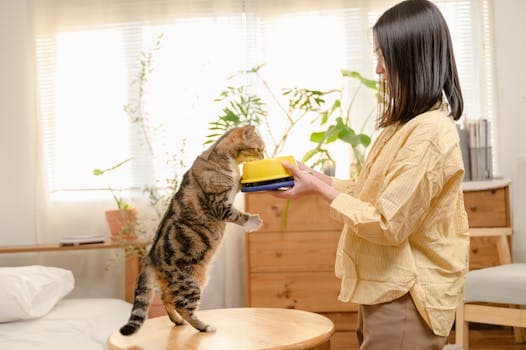
Introduction a practical guide for a safe indoor cat play space
Cat owners often worry about offering a stimulating yet safe play area inside the home. A well designed indoor play space supports physical health, mental enrichment, and safe exploration. This article explains how to build a cat friendly zone that reduces boredom and protects furniture and feet alike. You will learn practical steps, setup ideas, and placement tips to create an engaging environment that cats love.
What makes an indoor play space safe and inviting for a cat
Safe means sturdy furniture free of sharp edges, non toxic materials, and clear exits. Inviting means enough height, texture, hiding spots, and toys that match a cat sensorimotor drive. The space should be dry, well lit, and easy to clean. Your role is to balance stimulation with boundaries so your cat can explore without developing dangerous habits.

How to plan the layout for a cat friendly room or corner
Start with a simple map that marks climbing shelves, a resting perch, a scratching surface, and a feeding station. Place high perches near windows for sun and pineal light cues. Keep irritating clutter out of the play area and ensure there is a clear route for escape. Rotate toys weekly to sustain curiosity and prevent boredom.
What gear and materials create a durable indoor play space
Choose a sturdy cat tree with solid base and wide platform. Use sisal wrapped posts for scratching and non slip mats for safe landings. Include puzzle feeders to extend play time and encourage problem solving. Opt for washable fabrics and non toxic paints for all surfaces that cats may contact.
How to choose engaging toys that support natural behaviors
Look for toys that trigger hunting instincts such as wand toys, laser alternatives, and feather teasers. Rotate at least once a week to maintain novelty. Include hide and seek options like tunnels or covered beds. Balance high energy activities with calm resting zones to prevent overstimulation.
How to maintain cleanliness and safety in the play space
Sweep daily and wipe trays twice a week. Use pet safe cleaners and avoid small parts that could be swallowed. Check wires and cords by securing them or hiding behind furniture. Inspect shelves for wobble and tighten fasteners monthly to maintain stability and safety.

How to integrate food and enrichment for smarter play
Combine feeding with play using puzzle feeders and sniff mats. This approach slows down eating, enhances mental engagement, and prevents overeating. Offer a mix of timed meals and interactive snacks to keep your cat engaged across the day.
What to do when you have multiple cats or limited space
Provide multiple vertical zones and independent rest spots to prevent competition. Use during the day the space that suits the dominant cat and arrange a quieter retreat for a shy cat. In tight spaces, prioritize vertical climbing options and modular gear that can be rearranged quickly.
How to measure success and adjust over time
Track play time, escalation cues, and the frequency of scratching on allowed surfaces. If your cat starts avoiding certain zones, swap toys, adjust textures, or consider adding a new perch. Regularly review safety checks and update gear as your cat grows or changes activity level.
Frequently asked questions about a safe indoor play space
Q how much space is needed for a safe indoor play area
A a dedicated corner or a small room plus vertical options can be enough. Prioritize accessible routes and safe zones rather than a large empty room.
Q are plastic toys safe for cats
A choose non toxic durable plastics and inspect for wear. Replace damaged parts and remove small pieces that could be swallowed.
Q how often should I rotate toys
A rotate weekly to maintain novelty and interest.
Conclusion and practical takeaways
A safe indoor play space combines sturdy structure with engaging enrichment. Start with a clear layout that includes climbing surfaces, scratching posts, and hiding spots. Add interactive toys and puzzle feeders to boost mental stimulation. Maintain cleanliness and reassess layout as your cat grows. With consistent updates you create a healthy, happy indoor life for your feline companion.