Home
Home
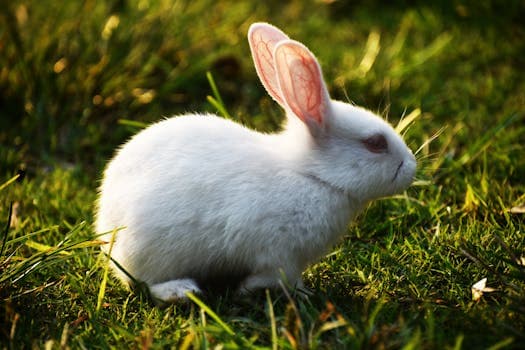
Smart snacking starts with understanding what makes a treat appropriate for dogs and rabbits. Both species have different digestive systems, caloric needs, and nutrient requirements, so it’s essential to choose treats that support health rather than undermine it. Start with the basics: pick treats that are small, low in sugar, and free from artificial additives. For rabbits, the majority of their daily calories should come from hay, with fresh greens and a limited amount of specially formulated rabbit treats used as occasional rewards. For dogs, treats should complement a balanced diet and never replace meals.
When selecting dog treats, read the ingredient list and aim for items with recognizable components. Look for whole-food ingredients like pumpkin, blueberries, or peanut butter without added sugars or salt. For rabbits, look for hay-based treats or nibble sticks that promote dental wear and are free from high-starch coatings. Avoid items with chocolate, grapes, onions, and xylitol, which can be dangerous for both species in different ways.
Portion control is a critical part of smart snacking. Dogs typically tolerate small treats sprinkled throughout the day, but rabbits require strict limits to prevent obesity and digestive upset. A practical rule is to offer treats no more than 10% of daily calories for dogs and keep rabbit treats well under 5% of daily intake. Use a measured approach: bake or portion out a fixed amount and track how many treats your pet receives each day.

For pet owners who want to go beyond store-bought options, you can prepare simple, wholesome treats at home. A dog-friendly option might be small pieces of cooked chicken, carrots, or apple slices (no seeds or cores). A rabbit-friendly option could be finely chopped fresh greens or a small carrot stick wrapped with hay. Always introduce new treats gradually over several days to monitor digestion and avoid GI upset.
When trying new snacks, keep a log. Record the type of treat, portion size, and any changes in appetite or stool. This makes it easier to spot food sensitivities or allergic reactions early and adjust accordingly. If your pet shows vomiting, diarrhea, coughing, or unusual lethargy after a snack, stop giving that item and consult a veterinarian promptly.
For more on routine pet care, you can explore practical guidance on hamster care and habitat setup. hamster care resources offer helpful tips that translate to small-animal nutrition and enrichment, reinforcing the idea that a healthy diet is foundational to wellness in any companion animal.
Smart Treating Routines for Dogs
Dogs are social eaters, and treats often play a key role in training and bonding. Use smart routines that reward good behavior without creating a reliance on high-calorie snacks. Here are practical patterns to adopt:
- Training sessions: Reserve tiny treats for each successful cue. Keep the size roughly the same as a pea so overall daily calories stay in check.
- Meal-time pairing: Use a portion of their daily kibble as a reward during training to avoid escalating overall calorie intake.
- Variety with limits: Rotate a handful of approved treats to prevent sensory boredom, but cap total treat calories per day.
- Dental-friendly picks: Choose chews that promote dental health but monitor for excessive wear or digestive issues.
Always supervise dogs with chews, and remove any small pieces that could become choking hazards. If your dog has a history of obesity, diabetes, or pancreatitis, work closely with a veterinarian to tailor a safe snacking plan and adjust portion sizes accordingly.
Smart Treating Routines for Rabbits
Rabbits are herbivores with sensitive digestive tracts. Treats should be occasional and considered, never a staple. A practical approach is to offer a few tiny pieces of fresh greens or hay-based treats as a daily reward in a controlled manner. Rabbits also benefit from enrichment items that mimic foraging behavior, such as puzzle feeders or hay-filled toys, which provide mental stimulation without relying on high-calorie snacks.
When introducing treats to rabbits, start with small amounts and observe stool consistency. A sudden shift to softer stools or changes in appetite can indicate a digestive upset. Like dogs, rabbits should avoid processed sweets and foods high in starch. Instead, emphasize high-fiber options that support gut motility and dental wear, which is crucial for a rabbit’s long-term oral health.
Some commonly used rabbit treats include nibble sticks made from compressed hay and herb blends with low sugar. Always check labels to ensure there are no added sugars, artificial flavors, or dangerous ingredients. For more broad guidance on rabbit care, consider reading about winter travel or housing considerations – areas that influence how you manage feeding routines when the environment changes. For example, you can learn more about winter rabbit care in this guide: winter rabbit care.
Mid-Article Resource: Practical Snack Planning
Creating a weekly snack plan helps you stay consistent with portion control and nutrient balance. Start by listing all approved treats for both dogs and rabbits, then allocate a fixed number of treats per day. Use a daily calendar or a simple checklist to track what was given and when. This reduces the risk of over-snacking and makes it easier to adjust as your pet ages or changes health status.
Flavor variety matters for engagement, but avoid overloading on high-sugar items. A good practice is to limit flavor variety to one or two new items per week. Introduce one new treat at a time and watch for any signs of intolerance, such as gas, diarrhea, or changes in appetite. If you notice adverse reactions, remove the item and consult a veterinarian for guidance.
How to Store Treats Safely
Storage is essential to maintain freshness and prevent spoilage. Keep dog treats in an airtight container in a cool, dry place away from direct sunlight. For rabbits, store hay-based treats and nibble sticks in a sealed container to preserve texture and prevent mold growth. If you’re making treats at home, refrigerate perishable components and discard any leftovers after a few days to prevent bacterial growth.
Be mindful of cross-contamination. Never share treats between dogs and rabbits in a way that could lead to unintended ingestion of something unsafe for the other species. Designate separate treat bowls and cleaning routines to keep both pets healthy and confident during snack time.

Common Treats to Avoid
Not all snacks are safe for every pet. Dogs should avoid chocolate, grapes, onions, and xylitol, while rabbits should stay away from high-sugar fruit snacks, dairy products, and processed foods with artificial sweeteners. Even seemingly harmless items like peanut butter should be given in moderation, as some brands contain added sugar or salt that can accumulate significantly over time.
Always read product labels and check for ingredients that could cause an upset stomach or more serious health issues. If you’re unsure whether a treat is appropriate, consult a veterinarian or a pet nutritionist who can help you assess safety and portion guidelines for your specific pet’s health status and age.
How to Monitor Your Pet’s Response to Treats
Watch for changes in energy, appetite, stool, and coat quality after introducing a new snack. Lethargy, diarrhea, or vomiting can indicate sensitivity or a digestive imbalance. For dogs, dental changes or excessive chewing on inappropriate objects may indicate the need for a different treat type or size. For rabbits, changes in stool consistency or reduced appetite could signal a GI issue requiring veterinary attention immediately.
Keeping a treatment log can help you notice subtle shifts before they become problems. Note the date, treat type, portion, and any observed reactions. Over time, you’ll identify which items your pet enjoys and tolerates best, enabling you to refine your snacking plan for optimum health.
Signs Your Pet Needs a Vet
Despite best efforts, some symptoms require prompt veterinary evaluation. Seek care if you notice ongoing vomiting after meals, persistent diarrhea or constipation, weight loss, or a significant drop in appetite. For rabbits, any signs of GI stasis, such as decreased movement, reduced fecal output, or abdominal distension, warrant immediate veterinary attention. In dogs, sudden lethargy, pale gums, tremors, or collapse are emergencies and should be treated as urgent medical concerns.
If you’re unsure whether a symptom is serious, it’s safer to contact your vet or an emergency clinic. Early intervention for GI issues, dental problems, or food allergies can prevent more serious complications and support long-term well-being.
Incorporating Internal Resources
To deepen your understanding of small-animal care, explore more practical guidance on hamster care and habitat setup. hamster care resources provide valuable context about nutrition, enrichment, and daily management that can translate to a holistic approach for rabbits and other small pets. Additionally, learning about winter environments for rabbits helps you adapt feeding routines as seasons shift: winter rabbit care.
Additional practical considerations include adapting feeding routines for changes in weather, housing, and activity level. For example, during colder months, rabbits may require more frequent hay checks to ensure fiber intake remains adequate, while dogs may benefit from slightly adjusted calorie guidelines when activity declines. Always tailor plans to your individual pet and consult with a veterinarian when making significant dietary changes.
Proactive snacking strategies can also align with enrichment goals. Use puzzle feeders, treat-dispensing toys, and scent-based challenges to engage dogs and rabbits in mental stimulation that complements physical exercise. When treats are used as enrichment, keep portions small and ensure safety in toy design to prevent choking or ingestion of non-food items.
How to Build a Sustainable Snacking Plan
Smart snacking is about building a sustainable plan that aligns with your pet’s health, age, and activity level. Start by selecting high-quality, appropriate treats, prioritize small portions, and integrate treats into training and enrichment routines. Regularly monitor your pet’s response and adjust as needed in consultation with a veterinarian. A well designed plan keeps snacking enjoyable while supporting long term wellness.
For dogs, prioritize complete and balanced dog food that covers daily nutritional needs and treats that fill small nutritional gaps rather than replacing meals. For rabbits, hay remains the foundation of daily nutrition, with high fiber greens and carefully selected hay based treats used sparingly to encourage exploration and dental wear. As you incorporate treats into your routine, consider your pet’s life stage, health history, and taste preferences to maintain engagement without compromising health.
In practice, a sustainable plan might look like this: daily hay is always available; small portions of low sugar, natural treats are distributed across training sessions and enrichment activities; a weekly rotation of 3 to 6 approved treats keeps variety without overwhelming the digestive system. Regular veterinary checkups help fine tune portioning for any aging changes or health conditions. With consistency, patience, and attention to safety, you can maintain a joyful and healthful snacking culture for both dogs and rabbits.