Home
Home
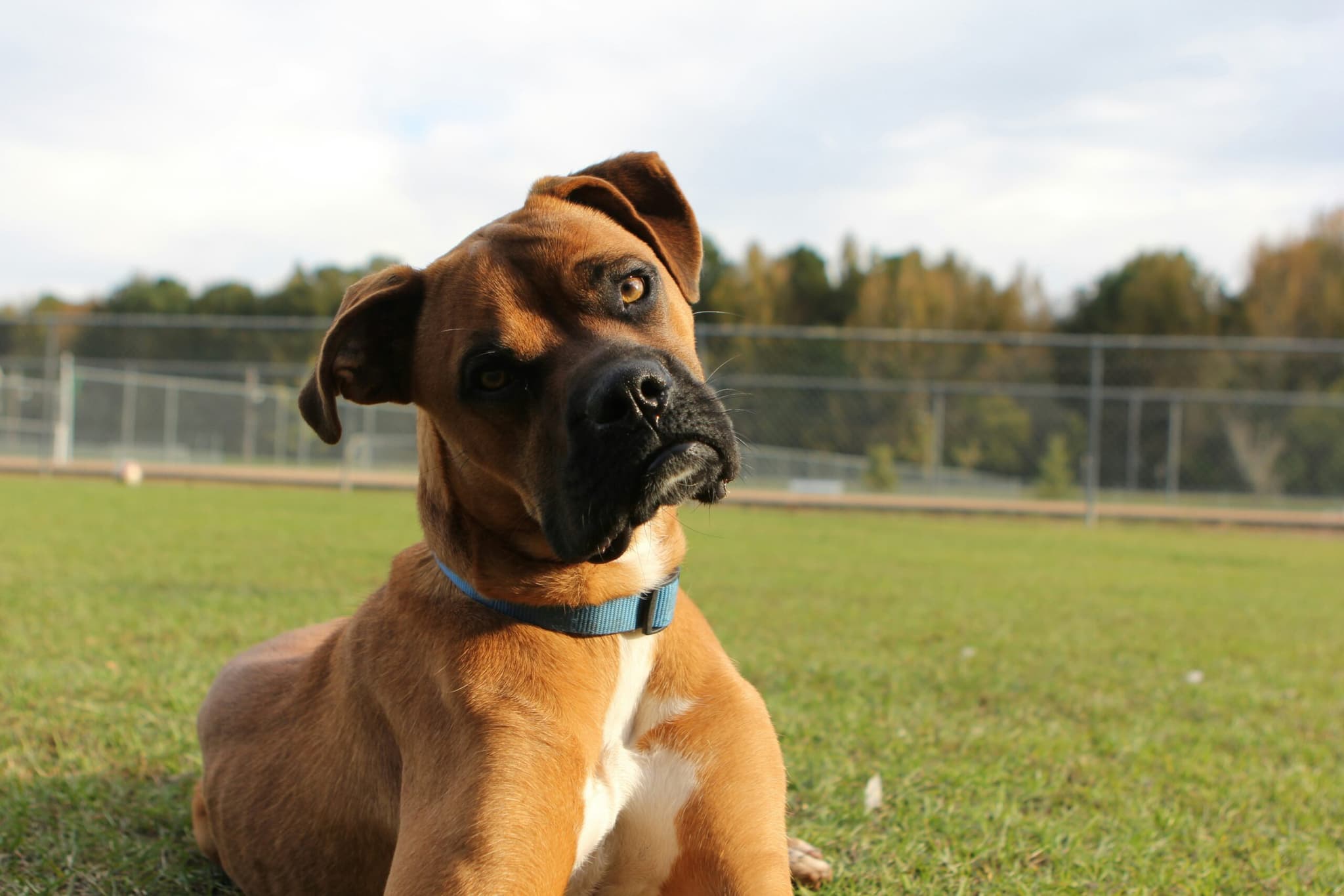
That adorable head tilt your dog does when you speak might just be the cutest thing in the canine world. Whether you’re asking if they want to go for a walk or simply chatting about your day, dogs often respond with that characteristic tilt that melts hearts and sparks countless photo opportunities. But why do dogs tilt their heads when you talk, and what’s really going on behind those curious eyes?
This endearing behavior has fascinated dog owners and scientists alike for decades. While your pup’s head tilt might seem like a simple quirk, it actually reveals fascinating insights into canine cognition, sensory perception, and the deep bond between dogs and humans. Understanding this behavior can help you better appreciate just how hard your furry friend works to understand and connect with you.
The Science Behind the Head Tilt
The head tilt isn’t just a random movement—it’s a complex behavior rooted in your dog’s anatomy and cognitive abilities. Dogs have evolved alongside humans for thousands of years, developing unique ways to communicate and understand us that no other animal quite matches.
When your dog tilts their head, several fascinating processes are happening simultaneously. Their brain is actively processing your words, tone, and body language while their sensory systems work to gather as much information as possible. This seemingly simple gesture represents millions of years of evolution and thousands of years of domestication working in perfect harmony.
Research suggests that dogs who frequently tilt their heads tend to be more empathetic and responsive to human emotions. These dogs often score higher on problem-solving tests and show stronger bonds with their owners, indicating that the head tilt might be a sign of higher emotional intelligence.
Sound Localization and Better Hearing
One of the primary reasons dogs tilt their heads relates to improving their ability to locate and process sounds. Dogs have remarkable hearing capabilities, detecting frequencies up to 65,000 Hz compared to humans’ maximum of 20,000 Hz. However, the shape of their ear flaps, especially in breeds with floppy ears, can sometimes muffle or distort sounds.
By tilting their heads, dogs can adjust their outer ears to better capture sound waves. This adjustment helps them pinpoint exactly where sounds are coming from and might help them hear certain frequencies more clearly. Think of it like adjusting an antenna for better reception—your dog is fine-tuning their hearing to better understand you.
The angle of the tilt often corresponds to where they think important sounds are coming from. If you’re speaking from above them, they might tilt more dramatically than if you’re at their eye level. This behavior shows just how actively dogs work to understand our communications.
Visual Perspective and Facial Recognition
Another compelling theory involves your dog’s vision and their ability to see your face clearly. Dogs’ muzzles can partially block their view, particularly of the lower part of human faces. The longer the muzzle, the more it might obstruct their vision. By tilting their heads, dogs can see around their snouts to get a better view of your entire face, especially your mouth.
This visual adjustment is crucial because dogs are remarkably good at reading human facial expressions. Studies have shown that dogs can distinguish between happy and angry human faces, and they pay particular attention to the mouth area when trying to understand human emotions. The head tilt might help them gather these important visual cues that aid in communication.
Interestingly, flat-faced breeds like Pugs and French Bulldogs tend to head tilt less frequently than breeds with longer muzzles. This observation supports the theory that muzzle interference plays a role in the behavior, though these brachycephalic breeds still exhibit the behavior for other reasons.
The Language Connection
Perhaps the most intriguing aspect of head tilting involves language processing. Research has shown that dogs can learn to recognize hundreds of words, and the most linguistically gifted dogs—those who know the names of numerous objects—tend to be the most frequent head tilters.
When dogs hear familiar words mixed with unfamiliar sounds, they often tilt their heads as if trying to parse out the meaningful parts from the verbal “noise.” This behavior suggests that dogs actively try to understand human language, not just respond to tone or volume. They’re essentially saying, “I’m listening carefully and trying to understand what you’re telling me.”
Dogs who live in multilingual households often develop different head tilt patterns for different languages, suggesting they can distinguish between linguistic patterns. This remarkable ability shows just how attuned dogs are to human communication patterns.
Emotional Intelligence and Empathy

The head tilt might also be a sign of your dog’s emotional intelligence and their attempt to empathize with you. Dogs are incredibly skilled at reading human emotions, and the head tilt could be their way of showing attention and concern. When you speak in certain tones—especially higher-pitched, emotional, or unusual ones—your dog might tilt their head as a way of saying, “I’m here, I’m listening, and I care about what you’re expressing.”
This empathetic response has been reinforced through thousands of years of domestication. Dogs who were better at understanding and responding to human emotions were more likely to be cared for and bred, passing on these traits to future generations. The head tilt might be one visible manifestation of this deep emotional connection.
Some animal behaviorists believe that dogs learn to increase head tilting behavior because humans respond so positively to it. When a dog tilts their head and receives praise, treats, or affection, they’re more likely to repeat the behavior. This creates a positive feedback loop that strengthens the human-dog bond.
Breed Differences in Head Tilting
Not all dogs tilt their heads with equal frequency, and breed characteristics play a significant role in this variation. Dogs with longer muzzles, like Greyhounds and German Shepherds, tend to exhibit more pronounced head tilts, possibly because they need to compensate more for visual obstruction.
Working breeds and those bred for close human cooperation, such as Border Collies and Golden Retrievers, often show more frequent head tilting. This might reflect their breeding history—dogs selected for their ability to understand and respond to human commands would naturally be more attentive to human communication.
Terriers and hounds, bred more for independent work, might tilt their heads less frequently unless something particularly interests them. However, individual personality plays a huge role, and any dog can be a frequent head tilter regardless of breed.
For more interesting breed-specific behaviors, check out our article on what dog breed lives the longest.
Age and Learning Factors
Puppies often begin exhibiting head tilting behavior around 6-8 weeks of age, right when they start becoming more aware of human communication. The frequency and context of head tilts can change as dogs age and learn more about their human companions.
Young dogs might tilt their heads more frequently as they’re learning to understand human language and behaviors. As they mature and become more familiar with their owner’s patterns, some dogs might tilt less because they’ve become more efficient at understanding without needing the extra sensory input.
Senior dogs might resume more frequent head tilting if they begin experiencing hearing difficulties. The tilt helps them compensate for age-related hearing loss by optimizing the sound that reaches their ears. If you notice a sudden increase in head tilting in an older dog, it might be worth discussing with your veterinarian.
The Positive Reinforcement Cycle
Humans naturally find the head tilt endearing, often responding with smiles, baby talk, or treats. Dogs are incredibly observant and quickly learn which behaviors earn positive responses from their humans. This creates a fascinating cycle where dogs might intentionally use the head tilt as a communication tool.
Some dogs seem to have mastered the “strategic head tilt”—deploying it when they want attention, treats, or when they’ve done something naughty and want to defuse tension. This learned behavior demonstrates dogs’ remarkable ability to understand and influence human emotions.
The reinforcement doesn’t always have to be treats or praise. Sometimes, just the extended interaction that follows a head tilt—more talking, petting, or play—is reward enough for dogs to continue the behavior. This shows how much dogs value social interaction with their human companions.
Medical Considerations
While head tilting is usually perfectly normal and adorable, persistent or sudden-onset head tilting can sometimes indicate medical issues. If your dog’s head remains tilted for extended periods or if they seem disoriented, it’s important to consult with a veterinarian.
Conditions that might cause abnormal head tilting include ear infections, vestibular disease, or neurological issues. These medical causes are typically accompanied by other symptoms like loss of balance, circling, or changes in appetite. The key difference is that medical head tilts are usually constant rather than momentary responses to stimuli.
For more information on recognizing when something might be wrong, see our guide on how to know if your dog is sick.
Enhancing Communication with Your Dog

Understanding why dogs tilt their heads can help you become a better communicator with your furry friend. You can use this knowledge to improve your interactions in several ways.
Speaking clearly and using consistent words for commands helps your dog understand you better. When you notice your dog tilting their head, it might mean they’re trying extra hard to understand, so this is a good time to be patient and perhaps repeat or rephrase what you’re saying.
Using visual cues along with verbal commands can help dogs who frequently head tilt. Since they might be trying to see your face better, ensuring you’re at their eye level during important communications can improve understanding. Many dog trainers recommend getting down to your dog’s level when teaching new commands or having important “conversations.”
The Evolution of Dog-Human Communication
The head tilt represents just one facet of the remarkable communication system that has evolved between dogs and humans. Unlike their wolf ancestors, dogs have developed specific muscles around their eyes that allow them to make “puppy dog eyes,” and they’ve become incredibly skilled at reading human pointing gestures—something even our closest primate relatives struggle with.
This co-evolution of communication strategies shows how deeply intertwined our species have become. Dogs haven’t just adapted to live alongside humans; they’ve developed sophisticated ways to understand and communicate with us that continue to evolve.
Modern research using MRI machines has shown that dogs’ brains respond to human voices in ways remarkably similar to how human brains respond to other human voices. This neurological similarity might explain why communication between our species feels so natural and why behaviors like head tilting are so effective at building connection.
Celebrating This Special Behavior
The head tilt reminds us of the unique bond we share with dogs. It’s a behavior that bridges the communication gap between species, showing us that our dogs are constantly working to understand and connect with us. Whether driven by a desire to hear better, see more clearly, or simply show attention and empathy, the head tilt represents the best of the human-canine relationship.
Next time your dog tilts their head while you’re talking, take a moment to appreciate the complex cognitive and emotional processes happening behind those sweet eyes. Your dog is demonstrating thousands of years of evolution, a deep desire to understand you, and the special bond you share.
This simple gesture encapsulates why dogs have earned their title as humanity’s best friend. They don’t just live alongside us—they actively work to understand us, communicate with us, and strengthen the bonds that make our interspecies friendship so special.
For more fascinating facts about canine behavior, explore our article on why dogs love tennis balls.
Conclusion
The question “why do dogs tilt their heads when you talk” reveals the beautiful complexity of canine behavior and the deep bond between dogs and humans. From improving their hearing and vision to showing empathy and understanding language, this adorable behavior serves multiple purposes that enhance communication between our two species.
Whether your dog is a frequent head tilter or saves it for special occasions, this behavior represents their desire to connect with and understand you. It’s a reminder that our dogs are always working to bridge the communication gap, making them truly remarkable companions.
So the next time you’re chatting with your furry friend and they gift you with that irresistible head tilt, remember—you’re witnessing thousands of years of evolution, remarkable cognitive abilities, and pure, devoted love all wrapped up in one adorable gesture.