 Home
Home
We think we know our pets, but the animal kingdom is full of quirks that still surprise us. From whiskered masters of mimicry to fins that communicate, the natural world loves a good plot twist. This quick tour of surprising traits will remind every pet owner that our animal friends are capable of more than we expect.
Whether you’ve shared a home with a calm old dog or a cheeky kitten who rules the living room, there are hidden talents waiting to be noticed. Some traits are practical—like how a dog’s sense of smell can read a room—while others are purely charming, like a bird’s surprising memory for a tune. Let’s dive into the little known superpowers that pets bring to daily life.
Wild Card Personalities: Hidden Skills in Cats
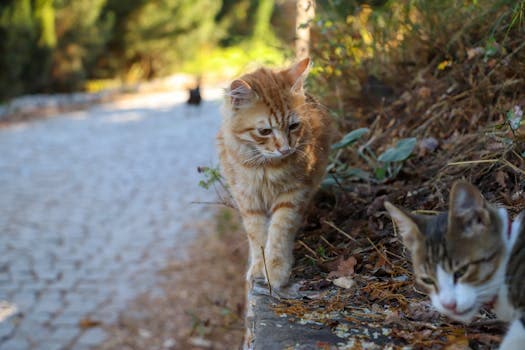
Cats aren’t just aloof comedians with a fondness for sunbeams. They are highly attentive observers who gather information from a hundred tiny cues. Their ears can swivel almost independently, catching sounds we humans miss. A single rustle on the doorstep might trigger a cat to freeze, analyze, and decide whether to investigate or retreat.

Cats also read human emotion better than many people give them credit for. They pick up on tone of voice, pacing, and even body language, responding with a confident head tilt or a reassuring purr when you’re feeling down. This social intelligence helps them navigate multi-pet households and busy urban lives with relative ease.
- Cats have a highly developed sense of balance and precision. They land on paws after jumps that would scare us as reckless leaps.
- They can differentiate subtle changes in sound frequency, which is one reason they’re so adept at detecting approaching footsteps or the rattle of a treat bag long before a human notices.
- Many cats communicate with humans through a language of purrs, chirps, and tail movements that can convey comfort, curiosity, or warning.
Owners who pay attention to a cat’s whisker movements and ear orientation can glean a lot about mood and intent. This awareness translates into better timing for play, grooming, and enrichment, turning ordinary days into opportunities for connection.
Dogs with Extraordinary Sniffs and Senses
Dogs are, by most standards, nature’s sniffing experts. Their noses are not just capable of smelling; they are a gateway to perception that humans simply don’t experience. The number of olfactory receptors in a dog’s nose dwarfs ours, and it’s this biological advantage that powers a dog’s ability to detect everything from illness to buried treats.
Beyond scent, dogs interpret social cues with remarkable nuance. A wag of the tail isn’t just happiness; it can signal tension, interest, or warning, depending on the stiffness of the body and the direction of the wag. Some dogs pull together complex information from faces, voices, and scents to decide how to respond in a given moment.
- Certain dogs can detect medical conditions such as diabetes or seizures, and some work as guardians of people with epilepsy or other health concerns.
- Canine color vision is real, though different from human vision; many dogs perceive blues and yellows clearly, which can influence training and enrichment choices.
- Dogs communicate through a mix of vocalizations and body language, sometimes revealing emotional states that owners may not consciously recognize.
Recognizing a dog’s sensory strengths can transform training and daily routines. For example, reinforcing scent-based games taps into natural instincts, making playtime more engaging and mentally stimulating.
Rabbits: Gentle Giants with Surprising Lifespans
Rabbits often arrive on the scene as small, fluffy bundles, but they’re far from simple pets. Their social needs, curiosity, and robust physiology make them wonders of the mammal world. Rabbits are capable of forming bonds that rival those of more traditionally cuddly pets, and they’ll show affection through grooming, following, and quiet companionship.
One of the most surprising traits about rabbits is their lifespan, which is longer than many people expect. When given proper care, a rabbit can thrive for several years, becoming a true and steady presence in a family. The numbers vary by breed and environment, but a well-cared-for rabbit often enjoys a rich, active life well into adulthood.
Rabbits are known for their impressive field of vision. Their eyes sit on opposite sides of the head, giving them a wide-angle view that helps them spot danger and movement from many directions. This panoramic awareness is a reason rabbits can survive in the wild and adapt to domestic spaces with a sense of security that seems almost instinctual.
Training a rabbit’s behavior is not only possible but deeply rewarding. They can be litter trained, learn to use a tunnel system, and respond to simple commands with patience and consistency. Social rabbits crave routine, enrichment, and plenty of time outside their cages under supervision. Their personalities shine through as they flip from playful to contemplative, from bold explorations to serene downtime beside a favorite human or corner of a sunlit room.
Rabbits’ dietary needs are specific and require careful attention to fiber, water, and safe vegetables. A rabbit’s teeth never stop growing, so appropriate chew items and a constant supply of hay help maintain dental health and overall well-being. The right balanced diet, regular veterinary checkups, and a stimulating environment can make a rabbit a long-lasting, affectionate member of the family.
For readers curious about a rabbit’s life span and care, you’ll find detailed insights here: how long rabbits live as pets. And for a practical take on whether a rabbit fits into your home, consider Are rabbits good pets.
Birds and Reptiles: Unexpected Intelligence and Adaptations
Birds aren’t simply bright colors perched in a cage; many species demonstrate remarkable problem-solving abilities. Parrots and corvids, in particular, show advanced cognitive skills that rival those of small primates in some tasks. They can learn sequences, remember names for various objects, and use tools in ways that hint at flexible, sophisticated thinking.
Reptiles, often dismissed as slow or single-minded, carry their own set of surprising traits. Some lizards and turtles display impressive patience and strategies when seeking food or avoiding predators. Reptile owners may notice tactical choices, like basking positions, temperature regulation habits, and social displays that communicate with other animals and humans alike.
- Parrots often mimic human speech with context, intent, and timing that go beyond simple repetition.
- Corvids use tools and plan ahead, a trait many scientists consider a sign of genuine foresight.
- Reptile cognition can involve problem-solving tasks that require memory and adaptive thinking, especially in species kept in enriched environments.
All these traits remind us that the animal kingdom rewards curiosity and patient observation. Birds and reptiles can thrive in homes that respect their intelligence with enrichment, social interaction, and a stable routine.

Underwater Wonders: Fish and Amphibians with Surprising Traits
Water-dwelling pets bring a different kind of marvel into the home. Fish, in particular, often appear calm on the surface, yet they can display complex behaviors when given the chance to explore their environment. Some species remember feeding routines or respond to movements outside the tank with new patterns of swimming and schooling, a sign of flexible thinking and adaptability.
Color vision in fish is more varied than many people expect. Certain species perceive colors and patterns in ways that enhance camouflage, mating displays, and exploration of their surroundings. The underwater world is full of subtle cues that fish read with surprising acuity, even in communities with many different species sharing the same space.
Amphibians, while often less visible to the casual observer, also hold captivating traits. They blend into environments with astonishing ease, use vocalizations to communicate, and rely on moist skin to sense the world around them. In terrariums and ponds, their health and happiness depend on careful habitat design that mirrors natural conditions as closely as possible.
- Goldfish and bettas show impressive changes in behavior based on enrichment, feeding routines, and tank layout.
- Some aquatic species can be trained to respond to specific signals, making routine care more engaging for owners and pets alike.
- Water quality and temperature play a huge role in the well-being of fish and amphibians, influencing mood, activity, and appetite.
As with land pets, the key to success with aquatic companions is observation. Small shifts in behavior—like a fish spending more time at a corner of the tank or a frog’s appetite changing—can indicate changes in water quality or health. Regular monitoring and a well-planned habitat are your best tools for nurturing these remarkable creatures.
How to Spot and Nurture These Hidden Talents in Your Pet
Not every pet will reveal every talent at once, and that’s part of the charm. The best approach is to provide safe opportunities for exploration and practice. Start with enrichment that fits your animal’s natural tendencies, whether that’s scent-based puzzle toys for dogs, tunneling adventures for rabbits, or foraging challenges for cats.
Enrichment does more than entertain. It supports mental health, reduces stress, and strengthens the bond between you and your pet. A small daily routine—short training sessions, a new toy, or a different arrangement of bowls and sleeping spots—can keep curiosity alive and encourage the development of personality traits you might not have seen otherwise.
When you notice a new or intensified trait, approach with patience. Some abilities come with a learning curve, and every animal has its own pace. Celebrate small wins and don’t push beyond what’s comfortable. Acknowledging progress builds confidence, which in turn fuels further curiosity and growth.
- Idea: rotate enrichment items weekly to keep your pet engaged without overwhelming them.
- Idea: pair physical activity with mental challenges, like scent games for dogs or obstacle courses for rabbits.
- Idea: document changes in behavior to track what works best over time.
Practical Play: Everyday Ways to Celebrate Your Pet’s Quirks
Play is the most natural way to explore a pet’s hidden traits. Short, frequent sessions are usually better than long, sporadic bursts. Use play to encourage problem-solving, coordination, and social interaction in ways that feel like a game rather than training.
For cats, a laser pointer can become a tool for practice with tracking and agility without creating overstimulation. For dogs, puzzle feeders not only slow down meals but also exercise the mind as they figure out how to access herby rewards. For rabbits, tunnel runs, cardboard mazes, and gentle fetch can provide mental stimulation while preserving their gentle temperament. Birds often respond to rhythm and repetition—training sessions that involve cue-based routines with positive reinforcement work beautifully. Fish and amphibians benefit from varied visual environments and seasonal plant life in their tanks or ponds, mimicking natural cycles that keep them curious and active.
Here are some quick, practical tips to celebrate and nurture your pet’s surprising traits:
- Provide a safe space for exploration, including hidden corners, platforms, and a variety of textures.
- Rotate toys and enrichment activities to prevent boredom and promote flexible thinking.
- Offer consistent routines that include exercise, feeding, grooming, and rest, allowing trust to deepen over time.
Choosing the Right Balance: Health, Happiness, and Hidden Talents
Balancing health with curiosity is essential. A pet’s hidden talents thrive in an environment where nutrition, veterinary care, and mental stimulation align. Regular checkups help catch changes in behavior that might signal discomfort or illness, so you can adapt activities to keep your pet safe while still encouraging discovery.
Respect your pet’s individuality. Not every animal will master every skill, and that’s perfectly fine. The goal is to recognize and support the traits that bring joy to both you and your companion. A well-rounded approach—combining play, enrichment, and affection—helps your pet reach their full range of abilities without sacrificing well-being.
Celebrating Everyday Wonders: A Quick Recap
Pets surprise us with a spectrum of talents, from the fine-tuned hearing of a cat to the problem-solving prowess of a parrot, and from a rabbit’s patient rhythm to the shimmering intelligence of certain fish. The more we observe and engage with these traits, the more we learn about what makes each animal unique. Start with small steps, celebrate milestones, and keep curiosity alive through daily interactions that honor your pet’s personality.
To revisit how long rabbits can live with proper care, consider how long rabbits live as pets as a resource. If you’re weighing options about whether a rabbit belongs in your household, you may also reflect on Are rabbits good pets for your family dynamic.






