Home
Home
Introduction to Paws and Fun Facts
You love your pet and you crave reliable, engaging trivia that also teaches you something practical. Paws and Fun Facts offers five surprising tidbits that pet owners can actually use. This article answers the question what are some little known pet facts and how you can apply them to everyday care. You will discover bites of data and actionable tips that are easy to implement for dogs, cats, rabbits, and other family pets. This overview is written with clear definitions and real world examples so you can share these tidbits with friends and apply them at home.
What is surprising about pet physiology and behavior
Pet physiology is a broad field that encompasses how animals detect, react to, and interact with their environments. A key insight is that dogs and cats have different sensory strengths and communication styles. For instance, dogs rely heavily on scent and tail signals to convey feelings, while cats often use body posture and ear orientation to signal mood. Understanding these differences helps you interpret behavior accurately and respond with appropriate actions. This article uses practical examples to illustrate these concepts and shows how awareness can improve daily interactions with your animal companions.

Tidbit one how dogs regulate water intake and why it matters
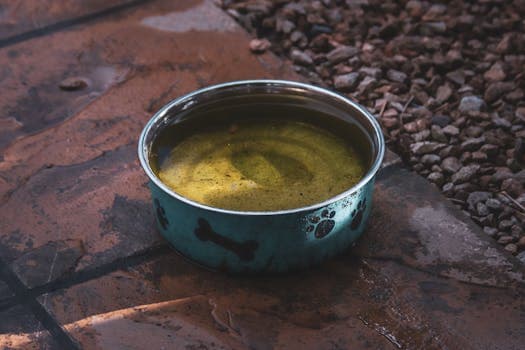
Hydration is essential for canine health and performance. Dogs regulate water intake through thirst signals and environmental cues such as temperature and activity level. You can support your dog by offering fresh water at regular intervals, especially after exercise or play. A simple routine is to provide a bowl of clean water first thing in the morning, after meals, and after outdoor activities. If your dog refuses to drink water, observe for signs of illness and consult your veterinarian. You can also use pet safe water additives or bowls that encourage sipping, but avoid overdoing it. For more tips you can visit how to get my dog to drink water.
Tidbit two feline scent markers and why cats patrol rooms
Cats use scent marking to create familiar territory and reduce anxiety. Their cheeks, chin glands, and whisker pads release scent in ways that communicate presence and ownership of space. When you notice a cat rubbing against furniture or your leg, it is often a friendly territorial signal rather than merely affection. To support healthy territory, provide safe scratching posts and consistent routines so your cat feels secure. If you are curious about marking behavior in cats, you can explore do cats spray and why, which sheds light on normal and abnormal spraying patterns do female cats spray.
Tidbit three plant safety and why certain houseplants matter for dog and cat health
Many common houseplants can be dangerous to pets. Pet owners should become familiar with which plants are poisonous to dogs and cats and take steps to remove or relocate risky species. For example, some plants can cause stomach upset or more serious reactions, so education and prevention are essential. If you suspect your pet has ingested a toxic plant, contact a veterinarian promptly. You can learn more about pet plant safety at information sources that discuss are petunias poisonous to dogs which helps guide plant choices in homes with pets are petunias poisonous to dogs.
Tidbit four practical grooming and fur care basics that save time and stress
Grooming is not only about looks; it supports your pet health and comfort. Regular brushing reduces hair mats in long haired animals and helps monitor skin condition for early signs of irritation or infection. A simple routine includes daily or every other day brushing and periodic checks on nails, ears, and teeth. If you wonder about hair management, you can consult how to cut dog hair for practical guidance and tips that make grooming easier how to cut dog hair.

Tidbit five if you have a multi species home how to reduce stress for all
Multi species homes can be joyful but require thoughtful management to reduce stress. Each species has unique needs including space, feeding routines, and enrichment. Providing separate zones for sleeping, feeding, and play helps minimize conflict and keeps bonds strong. A calm routine, predictable schedules, and enrichment activities tailored to dogs, cats, and rabbits promote harmony. For example rabbits require careful handling and a diet that supports gut health; you can read about what to feed baby rabbits to ensure they receive appropriate nourishment what to feed baby rabbits.
How to apply these tidbits in daily life
Applying practical tips from pet trivia starts with observation and small changes that compound over time. Begin with a hydration check for dogs and a safe plant audit in your home. Then introduce a simple grooming routine that fits your schedule and ends with a family friendly enrichment plan. You can use the following steps to implement these ideas quickly:
- Assess your pet needs by daily observation of energy, appetite, and hydration levels.
- Create a predictable routine with set meal times, water availability, and exercise periods.
- Enhance safety by removing toxic plants and providing non slip feeding areas.
- Incorporate enrichment that matches each species preferences such as scent games for dogs and puzzle feeders for cats.
- Monitor and adjust based on responses and outcomes, seeking veterinary advice when concerns arise.
Comparing pet trivia topics useful for owners
| Topic | Practical Benefit | Key Action |
|---|---|---|
| Hydration habits | Improved health and energy | Offer fresh water frequently |
| Plant safety | Prevents toxin exposure | Remove or relocate risky plants |
| Grooming routines | Skin and coat health | Schedule regular brushing |
| Enrichment | Mental stimulation | Provide toys and puzzle feeders |
Common questions and quick answers about pet trivia
How do dogs drink water effectively during heat waves? Dogs drink more water when heat is high and when they are active; they respond to fresh water and repeated offers. Do cats see color clearly? Cats see color but have a more limited color range than humans, which informs how they perceive toys and foods. Why do dogs like to be petted? Petting activates dopamine and oxytocin release in dogs, reinforcing companionship and trust. These quick insights help you tailor care strategies to your pet’s biology and mood.
Conclusion and takeaways
Pet trivia adds value by turning fun facts into practical routines that improve health, safety, and bonding. By understanding how dogs regulate water, how cats mark territory, how to protect pets from plant toxins, how to simplify grooming, and how to create a harmonious multi species home, you can create a richer, happier life for your animals. Start with small changes today; your pets will thank you with better health and more joyful interactions. If you enjoyed these tidbits, consider sharing them with other pet owners and exploring more in depth resources that cover dog care and cat behavior tips.