Home
Home
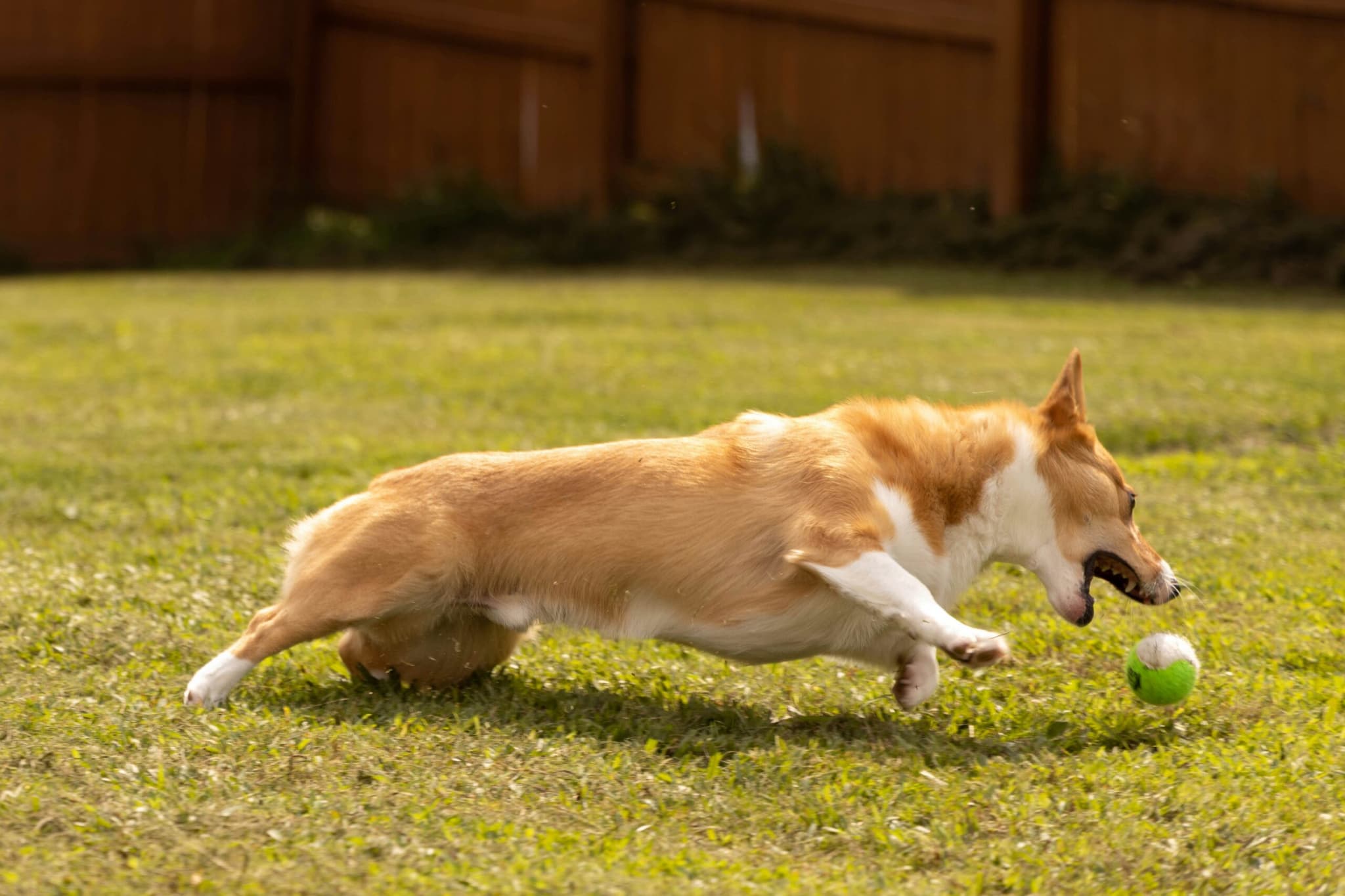
Your dog’s nose is more than just an adorable button at the end of their muzzle; it’s a sophisticated sensory organ capable of astonishing feats. Most pet owners marvel at their canine companion’s sniffing prowess, but few truly appreciate just how complex and remarkable the dog’s nose truly is. Here, we explore fascinating facts and extraordinary capabilities that make a dog’s nose one of the wonders of the animal kingdom.
Dogs Have an Incredibly Powerful Sense of Smell
When it comes to smelling abilities, dogs outclass humans by leaps and bounds. A dog’s nose contains approximately 300 million olfactory receptors, compared to about 6 million in humans. This massive difference makes dogs’ noses anywhere from 10,000 to 100,000 times more powerful than ours.
Imagine this: if humans can detect the smell of a teaspoon of sugar in a cup of coffee, dogs can detect that same teaspoon in two Olympic-sized swimming pools. That level of sensitivity explains why dogs excel in fields such as search-and-rescue, narcotics detection, and even medical alert services.
Every Dog Has a Unique Nose Print
Just as humans have unique fingerprints, each dog has a unique nose print. The patterns of bumps and ridges on your dog’s nose are entirely individual, much like human fingerprints. In fact, some breeders and veterinarians use nose printing as a reliable way to identify and record individual dogs.
Why Is Your Dog’s Nose Wet?

Many pet owners wonder why their dogs always seem to have wet noses. Contrary to common misconceptions, a wet nose isn’t necessarily a sign of good health, nor is a dry nose always indicative of illness. Dogs maintain wet noses primarily for better scent detection. The thin layer of mucus on their noses absorbs scent particles from the air, enhancing their ability to identify even faint odors. Regular licking also helps dogs keep their noses moist, clean, and primed for sniffing.
Dogs Smell Emotions and Illnesses
Dogs are experts at sniffing out emotions and even diseases. Changes in human emotions cause variations in our hormone levels, releasing scents dogs can easily identify. Ever wondered why your dog seems extra attentive when you’re feeling down or anxious? It’s likely because they’ve sensed your emotional state through your scent.
Remarkably, trained dogs can also detect illnesses like diabetes, seizures, and even certain cancers, sometimes far earlier than medical tests. Their incredible noses enable them to sense chemical changes in the body, alerting their owners and potentially saving lives.
Separate Pathways for Breathing and Smelling
Dogs possess a unique nasal structure allowing them to separate the air they breathe from the air they smell. When dogs inhale, a portion of the air is directed to their respiratory system, while another portion flows to specialized olfactory receptors. This anatomical feature allows them to continuously analyze scents without pausing their breathing, unlike humans.
Dogs Can Smell in Stereo
Did you know dogs can smell independently with each nostril? This ability allows them to detect exactly which direction a scent is coming from, similar to how our ears help us determine sound direction. Dogs use this “stereo smelling” to accurately track scents, a skill particularly beneficial for breeds involved in hunting, tracking, or rescue operations.
Some Dog Breeds Have Exceptionally Good Noses

While all dogs have superior noses compared to humans, certain breeds excel above the rest. Bloodhounds, for example, possess a legendary sense of smell and are often considered the gold standard for tracking scents. Other breeds known for their exceptional sniffing abilities include Beagles, Basset Hounds, German Shepherds, and Labrador Retrievers.
These breeds frequently work alongside humans in law enforcement, search-and-rescue missions, and even wildlife conservation efforts. Curious about dog breeds that excel in specific tasks? Explore our article on What Dog Breed Is Right for Me.
Dogs Use Their Noses to Tell Time
Have you ever noticed your dog seems to anticipate your return home, waiting eagerly by the door around your usual arrival time? Dogs perceive the passage of time through scent. Your lingering scent decreases over time after you leave home, and dogs detect these subtle changes. Using this scent-fading technique, dogs gauge how long you’ve been gone and often wait precisely when you’re expected to arrive.
Dogs’ Noses Can Detect Heat
Dogs possess another remarkable nose-based superpower: the ability to detect heat. Research indicates that dogs’ noses contain heat-sensitive receptors capable of sensing the faint heat radiation emitted by nearby animals or humans. This ability can help them detect prey in the dark, enhancing their effectiveness as hunting and tracking companions.
Your Dog’s Nose Changes Color

Have you noticed your dog’s nose changing color during different seasons? It’s not unusual for some dogs’ noses to fade from black to brown or pink during colder months. This condition, called “snow nose” or “winter nose,” is completely harmless and tends to reverse naturally as temperatures warm.
Keeping Your Dog’s Nose Healthy
Your dog’s nose requires care just like any other part of their body. Monitor it regularly for signs such as prolonged dryness, cracking, or persistent discharge, as these can indicate underlying health issues. Ensuring your dog stays hydrated, providing balanced nutrition, and regular grooming will maintain overall health, including that precious nose.
If you’re concerned about your dog’s nose or other health-related issues, see our comprehensive guide on How to Know If Your Dog Is Sick.
Stimulate Your Dog’s Sense of Smell
Encourage your dog’s sniffing abilities through enrichment activities. Hide treats or toys around the house or yard and allow your dog to track and find them. Such games stimulate your dog’s brain, reduce anxiety, and enhance their natural sniffing instincts.
To get creative and build your own training toy, check out our DIY guide Creating a DIY Dog Training Dummy for Fetch.
Final Thoughts: Appreciate Your Dog’s Nose
Your dog’s nose is more than just cute—it’s an extraordinary sensory tool capable of astonishing feats. Understanding these remarkable facts about your dog’s nose deepens appreciation for their incredible abilities, enabling you to better support and care for them. The next time your dog pauses to sniff on a walk, remember they’re experiencing a whole hidden world, invisible to our human noses.