Home
Home
Introduction
You probably think you know why dogs sniff with their snouts. In truth, hidden snout facts reveal a world of sensory signals, communication clues, and daily habits that change how you care for and understand your canine companions. This article answers the question what makes dog snouts unique and how owners can use that knowledge to improve health, behavior, and daily life with their dogs. You will learn practical tips you can apply right away, plus behind the scenes insights that deepen your bond with your pet.
Dogs are remarkable for more than companionship. Their snouts are tools for navigation, social interaction, and survival. This is not just about smell; the snout houses specialized tissues, nerves, and muscles that support a range of functions from temperature regulation to scent discrimination. By exploring the hidden snout facts, you gain actionable ways to monitor health, enrich play, and tailor training to each dog’s natural instincts.

What makes a dog snout special and how does it work
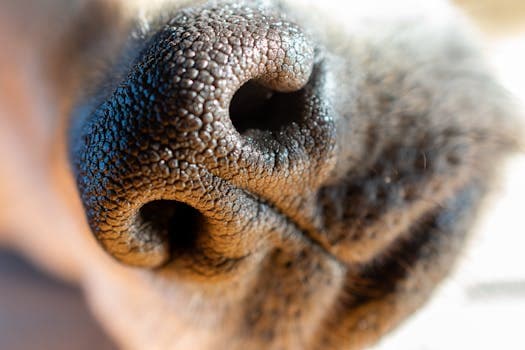
What makes a dog snout special is a combination of anatomy and function. A canine nose is built for smelling, but many owners underestimate how much the snout contributes to behavior and daily routines. The nose contains structures like the olfactory epithelium, which senses odors, and the brain areas that interpret scent information. Dogs also use their snouts for breathing, cooling themselves, and even social signaling through scent marks. In short, a snout is a multifunctional tool critical to how a dog experiences the world.
To understand how this works, consider the following components: the nasal cavity that filters and warms air, the turbinates that increase surface area for scent detection, the Jacobson organ that helps detect airborne pheromones, and the vomeronasal system involved in social cues. When a dog sniffs, air flows through the nose and into these structures, delivering molecules to receptor cells. The brain then processes the scent, enabling the dog to identify food, other animals, and humans. This chain of events happens quickly, often in fractions of a second, powering rapid responses in play, exploration, and alertness.
How dog snouts influence health and care
Healthy snouts are a sign of overall well being, but not every sniff is a medical emergency. Certain snout changes can indicate health issues, including dehydration, dental problems, skin conditions, or infections. Regular checks of the nose and surrounding skin help owners catch issues early. If the nose is dry, cracked, or unusually pale, it does not always mean illness, but it is worth watching in combination with other signs like appetite or energy levels.
Owners can support snout health with simple daily habits. Hydration is crucial for mucous membranes, so ensure the dog has access to fresh water and a watery, flavorful treat occasionally to encourage fluid intake. Clean snouts gently with a damp cloth if there is debris, but avoid harsh soaps near the nose. If you notice persistent nasal discharge, nasal bleeding, or coughing, seek veterinary advice promptly as these can be signs of respiratory infections or dental problems that require treatment.
Why dogs sniff in daily life and what it tells you
Sniffing is how dogs gather information. They rely on scent to identify people, other dogs, and territorial boundaries. A dog may sniff during greeting rituals, after rest periods, or while exploring new environments. This behavior serves several purposes: it reduces stress through familiar scents, aids memory, and helps avoid danger by recognizing dangerous animals or spoiled food. For owners, recognizing sniffing patterns helps design better walks, mental stimulation, and training that respects canine instincts.
In social contexts, sniffing provides a non threatening way to exchange information. When a dog approaches another, the sniff is a polite first step that reduces tension and allows them to read each other’s health, age, and mood. Training can leverage this natural behavior by giving the dog a sniffing window during rewards, which reinforces calm behavior and curiosity without overstimulation.
How to read a dogs snout signals during training and play
Reading snout signals is a practical skill for every dog owner. Look for cues such as the speed of sniffing, the direction of the nose, and accompanying body language like tail wagging or ear position. A rapid, repeated sniff may indicate curiosity or searching for a familiar scent, while a slow, deliberate sniff could mean caution or focus on a target scent. Training games can incorporate sniffing to improve attention, impulse control, and enrichment.
Here are concrete steps you can use in training sessions:
- Observe the dog for a quiet moment before starting a task to assess sniffing motivation. You may also find our guide on how to cut dog hair helpful.
- Choose a scent related to the goal of the session, such as a favorite toy or treat, and place it within reachable distance.
- Allow a brief sniffing window before commanding the dog to perform the task.
- Reward calm sniffing and successful completion with praise or a treat, reinforcing the desired behavior.
- Gradually increase scent complexity and distance to build resilience and focus.
How to protect and care for a dogs snout during extreme weather
Weather can affect a dog snout, especially in extreme heat or cold. Dry air, wind, and sun exposure can lead to cracking or irritation, while cold weather may cause nasal dryness. Use protective measures such as shade during hot days, pet friendly balms away from the nostrils, and a humidifier in dry indoor environments. Consider frequent hydration breaks during long outdoor activities to prevent dehydration that can impact mucous membranes.
Snout anatomy in plain terms for pet owners
Understanding canine snout anatomy helps you interpret daily behaviors. The nose houses scent receptors far more numerous than humans, with dogs capable of detecting odors at minute concentrations. This abundance of receptors means dogs can sense chemical cues in the environment that humans miss. While you do not need to know all the anatomy in detail, a basic grasp helps you appreciate why sniffing is so central to canine life and how to support it through enrichment and training.
Snout care routines that are practical and safe
Caring for a dogs snout is not about heavy maintenance; it is about daily routines that protect comfort and health. Start with regular checks for dryness, cracking, or crusting around the nose and lips. Use dog friendly products and avoid human grade ointments that could irritate sensitive tissue. If you notice persistent changes, consult a veterinarian to rule out infections, allergies, or dental problems that manifest as nasal symptoms.

Additionally, maintain good dental hygiene. Breathing and sniffing share the same region in the head, so healthy teeth and gums support overall mouth and nose comfort. Brushing teeth regularly, offering dental chews, and providing a well balanced diet all contribute to a healthier snout and a healthier dog overall.
Influence of snout on food choices and safety
Food safety is intimately tied to scent perception. You may also find our guide on do female cats spray helpful. Dogs rely on smell to identify what is safe to eat, detect spoiled foods, and distinguish between edible items and household hazards. A sniff can warn you if a treat is rotten or if a food item contains an ingredient that could harm the dog. Always supervise meals and keep potentially dangerous foods out of reach, as a dog may try to investigate and sniff out a snack with dramatic enthusiasm.
Some common safety tips include introducing new foods gradually, avoiding strong spices or onions, and keeping hazardous plants and household chemicals out of reach. If you suspect your dog has eaten something dangerous, contact a veterinarian immediately and provide details about the item and approximate amount ingested.
Common myths about dog snouts debunked
One common myth is that dogs can see in only black and white. The truth is dogs see colors differently but can perceive a range of hues; their sniffing remains the primary sense. Another myth is that sniffing is a sign of laziness. In reality, sniffing is essential for information gathering and mental stimulation. Debunking these myths helps owners set realistic expectations and design better enrichment activities that align with canine biology.
Practical snout enrichment ideas for households
enrichment activities are crucial for mental engagement and reducing boredom. Consider scent based puzzles, hide and seek with scented toys, or rotating scent trails around the house to encourage exploration. Use treat dispensing toys to combine sniffing with problem solving, which strengthens canine confidence and happiness. Always supervise enrichment to prevent choking hazards or overstimulation.
How to handle snout related health concerns at home
While not a substitute for veterinary care, you can monitor snout health at home with a few dependable steps. Check for symmetry in the nose, note any unusual discharge, and track changes in moisture level. If you notice crusting, swelling, or persistent dryness, consider a gentle saline wipe and seek veterinary advice especially if discharge changes color or if the dog shows signs of discomfort, fever, or lethargy. Early action can prevent more serious conditions.
Snout facts that inform training and behavior modification
Snout related cues can be leveraged to improve training outcomes. For example, allowing a short sniff before a recall task can reduce arousal and improve success rates. Scent based training also mimics natural foraging behavior, which is rewarding for many dogs. Align your training schedule with the dog’s natural sniffing windows to keep sessions productive and enjoyable.
How breeders and owners can support snout health in puppies and senior dogs
Puppies explore the world with their noses, so early exposure to varied scents can foster confident behavior. Gentle handling of the snout during grooming and feeding builds trust. For senior dogs, sniffing remains a vital activity for mental stimulation. Adjust enrichment to accommodate any mobility or sensory changes, and consult the veterinarian about any noticeable shifts in sniffing behavior that could indicate health concerns.
Frequently asked questions about dog snouts
Why do dogs sniff so much? Sniffing provides essential information about the environment, other animals, and health status. It is a primary way dogs understand the world and communicate through scent marks and social cues.
Can snout health reveal illnesses? Yes, persistent changes or abnormal discharge can signal infections, dental issues, or allergies. If you notice extended changes, see a veterinarian for a proper diagnosis.
Are there safe products to protect a dogs snout? Use dog friendly balms and avoid harsh chemicals. Keep products away from the nostrils and consult a veterinarian before trying new remedies.
Conclusion
The snout is more than a nose; it is a dynamic instrument that shapes how a dog experiences life. By understanding snout function, you can improve health, behavior, and daily routines through targeted enrichment, mindful care, and practical training strategies. Remember to observe your dog closely, provide ample sniffing time, and seek veterinary guidance when snout related changes arise. With these insights, you can deepen your bond with your dog while keeping them happy, healthy, and well adjusted.