Home
Home
Introduction
Pet owners often assume dogs master only the obvious tricks like sit or stay. The truth is that dogs can surprise us with daily facts and practical tricks that improve safety, health, and happiness. This article dives into ten surprising pet tricks that you can teach your dog in a few short sessions. You will discover actionable steps, real world examples, and tips you can apply today to enrich your dog daily life and strengthen your bond.
What are these top ten daily facts and tricks
Dog daily facts and tricks are practical behaviors that help dogs navigate everyday life. They include routines that support hydration, grooming, safety, and social behavior. These tricks are not only fun but also improve confidence, reduce anxiety, and make daily care easier for the owner. By framing each trick with clear goals and consistent practice, you can turn routine tasks into engaging activities for your dog.

Top ten surprising dog daily tricks you can teach now
-
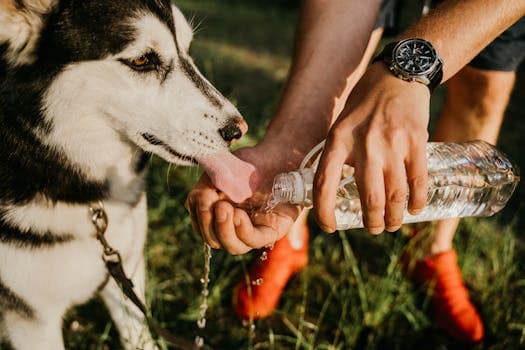
Trick one state your dogs thirst and drink water on cue
Many dogs resist drinking water during busy days or become dehydrated in warm weather. Teaching your dog to drink on cue can help prevent dehydration. Start by placing a small amount of water in a shallow bowl and using a verbal cue such as drink or sip. Reward with praise when the dog drinks. Gradually increase the difficulty by asking the dog to drink after a short play session or after a walk. Keep water bowls fresh and accessible, and consider offering water in multiple clean bowls around the home to encourage regular hydration. If the dog has a history of not drinking enough, consult a vet for guidance on fluid balance and possible health issues.
-
Trick two hair care routine with a simple grooming signal
Grooming daily can improve coat health and reduce shedding. Teach your dog a grooming signal by pairing a command like Ready or Groom with a quick brushing on a regular schedule. Use a soft brush and be mindful of sensitive areas. Gradually extend brushing time from two minutes to longer sessions as the dog becomes comfortable. Regular grooming also creates positive associations with care time, making future visits to a groomer or vet less stressful. If your dog hates grooming, break sessions into shorter intervals and reward frequently to maintain a calm environment.
-
Trick three stand and stay for safe door and gate crossing
Door and gate safety can prevent escapes and injuries. Train a stand and stay when doors open to ensure your dog does not bolt outside. Start with a stand cue near a closed door and reward calm behavior. Practice at different doors and with visitors present to simulate real life. This approach reduces the risk of sudden dashes outdoors and provides you with a predictable routine when guests arrive. For pets with separation anxiety, pair stand and stay with a calm exit routine to ease transitions.
-
Trick four a quick paw wipe after walks for cleanliness and comfort
After rainy walks or muddy adventures, a quick paw wipe helps keep floors clean and prevents dirt from spreading. Teach your dog to offer a paw for a wipe by presenting a towel and offering a reward when the paw is placed on the towel. Build a routine by associating the towel with a short wipe and praise. If your dog resists, reduce the pressure and provide a comfort item during the process. Regular paw care reduces irritation and keeps paws healthy.
-
Trick five target training for better leash control
Leash control is essential for safety and enjoyment on daily walks. Use a simple target stick or your hand as a target. Teach the dog to follow the target on cue, then gradually reduce the visual cues. This method helps with pulling problems and makes walks more enjoyable. Pair the target with a gentle leash correction, always focusing on positive reinforcement and timing. Consistent practice can result in smoother strolls and improved behavior in busy areas.
-
Trick six quiet cue to reduce barking during home life
Excess barking can be stressful for a household and neighbors. A quiet cue teaches the dog to be calm inside without loud vocalizations. Start by rewarding quiet moments after a brief period of barking, then gradually extend the quiet time. Use a fade out approach where you lightly redirect attention with a treat or puzzle toy. This technique helps dogs grow accustomed to noise without becoming desensitized or overly anxious.
-
Trick seven settle on a designated mat for predictable rest
Having a designated mat is a practical way to teach dogs good rest behavior. Show the mat during calm times and use a settle cue. When the dog goes to the mat, provide a small treat and gentle praise. Over time, the dog will instinctively head to the mat during transitions such as mealtime or movie night. This trick supports crate training and reduces restless behavior during family time.
-
Trick eight station and stay for car rides and vet visits
Car rides and vet visits can be stressful. Training your dog to stay in a designated seat or area inside the car helps manage stress and safety. Start by having the dog sit or lie on a mat in the car with the engine off. Reward calm behavior and gradually increase the duration of car time. At the vet, use the same technique to remain settled during exams. This trick may also help with anxiety in new environments.
-
Trick nine fetch and return with a friendly reminder cue
Fetch remains a favorite game for many dogs. Add a return cue to ensure your dog brings the toy back consistently. Use a clear verbal cue such as fetch and come, and a positive reward on return. Practice in a safe space with minimal distractions, then gradually introduce more challenging environments. This trick provides physical exercise and mental stimulation, supporting overall health.
-
Trick ten easy to learn self control during meal time
Self control around food is a valuable skill. Teach a wait cue before meals, with the dog staying calm until a release word is given. Use small portions and pausing frequently to reinforce patience. This trick can reduce begging behavior and help with training other tasks. Consistency is key to building impulse control that lasts beyond meal times.
How to implement these tricks in a practical plan
To turn these daily tricks into lasting habits, follow a simple, repeatable plan. Start with a short 5 to 7 minute training session each day, focusing on one or two tricks at a time. Use high value treats that your dog loves and keep sessions positive and upbeat. End on a successful note to ensure your dog looks forward to the next training moment. Track progress with a simple log of what was taught and the level of mastery achieved. If you encounter resistance, reduce the duration and increase frequency of micro sessions to prevent frustration.

Why these tricks matter for dog health and safety
These daily tricks are not merely entertainment; they support health, safety, and well being. Hydration reminders help prevent dehydration, grooming routines reduce skin issues and matting, door safety prevents escapes, and calm behavior reduces stress for both dog and owner. Regular practice also strengthens the human dog bond, which is essential for long term well being. When dogs understand routines, they feel secure, confident, and ready to learn new tasks.
Practical tips for success with dog daily tricks
- Be consistent set a routine and stick to it. Consistency builds familiarity and trust between you and your dog.
- Use positive reinforcement reward every small step toward mastery with praise and treats. Positive reinforcement encourages repeatable behavior.
- Progress gradually increase duration and complexity slowly to avoid frustration for both you and your dog.
- Keep sessions short dogs learn best in short focused sessions rather than long, exhausting ones.
- Ensure safety practice in safe spaces and avoid high distraction environments until skills are robust.
How to tailor these tricks to your dog personality
Not every trick fits every dog. Some dogs are naturally high energy and respond quickly to physical activities, while others excel with calm, mental challenges. Observe your dog’s interests and adapt accordingly. If your dog loves water, hydration tricks may be especially appealing. If your dog enjoys carrying objects, a fetch and return trick could be a prominent feature of daily life. Tailoring tricks to your dog increases engagement and success rates.
Common challenges and quick fixes
Expect some obstacles as you begin. A common challenge is a dog losing focus after initial success. Combat this by shortening sessions and keeping rewards highly motivating. Another challenge is impatience from the owner. Remember that pacing is essential; dogs need time to process new cues. If a dog suggests resistance in a certain trick, try on a different cue or a lower difficulty level to rebuild confidence. Persistent practice pays off in improved behavior and a stronger bond with your pet.
Integrating daily tricks into the family routine
Daily tricks do not exist in a vacuum. They integrate into feeding times, play sessions, and household routines. For example, use a settle cue during family movie night to help your dog relax, or practice a quick paw wipe after a walk before greeting guests. By weaving tricks into daily life, you create a practical, ongoing training system that reinforces positive behavior every day. This approach makes training feel less like a chore and more like natural interaction with your dog.
Case examples and real world scenarios
Consider a family with a three year old Labrador named Luca. Luca enjoys regular play, loves water, and is friendly with visitors. By combining hydration reminders with a short grooming session, Luca learns to drink after play and tolerate gentle brushing. The door safety trick helps Luca stay calm when guests arrive, preventing a morning dash out the door. Luca also learns to settle on a mat during dinner time, which creates a peaceful family space and reduces excitability during wind down. In another example, a small terrier named Mia responds best to token training with a target stick for leash control. The targeted approach reduces pulling and leads to more enjoyable neighborhood strolls. These examples illustrate how different dogs respond to tailored routines and how small, consistent steps can create meaningful changes in daily life.
Internal links integrated into the article
For readers seeking practical care tips, you can explore how to clean a dog wound and manage grooming by visiting how to clean a dog wound and how to cut dog hair. If you want to understand how to help a dog stay hydrated on hot days, see how to get my dog to drink water. For insights on preventive care and recognizing dehydration signals, consult how to know if your dog is sick and keep your pet healthy with regular checkups.
Conclusion
Dog daily facts and top ten tricks demonstrate that daily life with a dog can be richer and more organized. These tricks are practical, safe, and designed to fit a variety of dog personalities and living situations. By starting small, staying consistent, and using positive reinforcement, you can turn routine care into joyful interaction that strengthens your bond with your pet. Remember to tailor the plan to your dog, address challenges with patience, and use these tricks to support health, safety, and happiness every day. Ready to begin implementing these tricks with your dog today Most owners find that a routine built around hydration, grooming, door safety, and calm comfort creates a happier, healthier companion for years to come. Take the next step and incorporate these daily facts into your family routine to experience the positive changes firsthand.