Home
Home
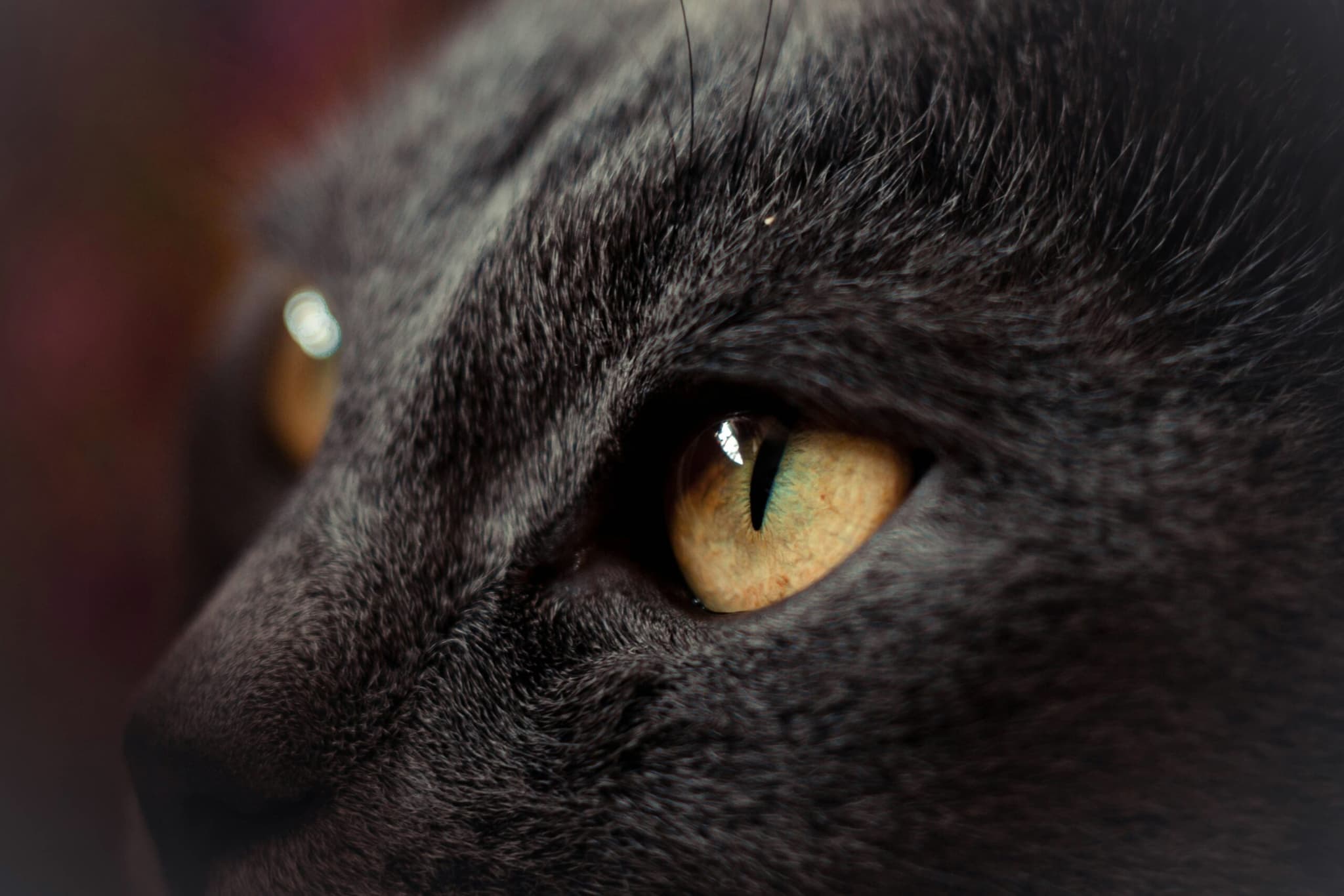
One of the most common questions cat owners ask is, “Can my cat really see in the dark?” While popular culture portrays cats as mysterious creatures with nearly supernatural night vision, the truth is a bit more nuanced. Cats indeed have impressive abilities when it comes to low-light conditions—but can they genuinely see in total darkness? Let’s explore the fascinating reality behind feline night vision, revealing what your beloved cat truly experiences after sundown.
How a Cat’s Eyes Work Differently from Humans’
To understand how cats perceive the world at night, it helps to first understand the unique structure of their eyes. Cats have evolved specifically to be proficient hunters at dawn and dusk—prime hunting hours known as “crepuscular” times.
Here’s how their eyes are specialized for low-light vision:
1. Larger Pupils
Cats’ eyes feature vertically slit pupils that can expand dramatically in dim lighting conditions, allowing more available light to enter and reach their retinas. This adaptation provides a significant advantage at twilight, enabling cats to see clearly where humans struggle.
2. More Rod Cells
The feline retina contains a higher concentration of rod cells compared to human retinas. Rod cells are highly sensitive to low light and movement, enhancing night vision capabilities dramatically. However, this high rod concentration also means cats have fewer cone cells—the cells responsible for seeing colors—making their color perception limited.
3. Tapetum Lucidum
Cats possess a reflective layer behind their retinas called the tapetum lucidum. This layer acts like a mirror, reflecting incoming light back through the retina, effectively doubling the amount of available light. It’s also what causes your cat’s eyes to glow brightly when illuminated by headlights or camera flashes.
Can Cats Really See in Complete Darkness?

Although cats have extraordinary adaptations that enhance their vision in very low-light conditions, they cannot see in absolute darkness. Like all animals, cats need at least a minimal amount of ambient light to navigate their surroundings.
In a completely dark room, without any source of light (no moonlight, starlight, or artificial illumination), cats rely on their other heightened senses—especially their acute sense of hearing, exceptional sense of smell, and sensitive whiskers—to navigate and understand their environment.
How Well Do Cats See at Night?
Cats have exceptional night vision capabilities compared to humans. While humans might struggle to navigate a dimly lit room, cats effortlessly maneuver in similarly dark conditions.
Here’s a comparison:
- Cats need only one-sixth the amount of light humans need to see clearly.
- Cats’ eyes are specifically tuned to detect even slight movements, a key factor in hunting prey during dawn or dusk.
- Their vision, while excellent in dim conditions, becomes slightly blurred or less detailed compared to human vision in bright daylight.
Do Cats See Colors in the Dark?
Cats can perceive colors, but their range is limited compared to humans. During daylight or in bright lighting, cats primarily see shades of blue and yellow, with reds and greens appearing more muted or grayish. In low-light conditions, however, their vision shifts primarily to black, white, and varying shades of gray. This limited color perception at night doesn’t diminish their incredible ability to detect movement and details.
The Role of Whiskers in Night Vision
In complete darkness, when visual cues are minimal or absent, cats rely heavily on their whiskers (also known as vibrissae). These sensitive hairs detect tiny vibrations, changes in air currents, and even the presence of obstacles, helping cats navigate safely and accurately in dark environments.
Common Misconceptions About Cats’ Night Vision
Despite their impressive visual abilities, several myths persist about feline night vision:
Myth #1: Cats See Perfectly in Pitch-Black Conditions
- Reality: Cats require minimal ambient light; they can’t see in absolute darkness.
Myth #2: All Cats Have Equally Sharp Night Vision
- Reality: Factors such as breed, age, and overall health can influence night vision clarity in cats.
Myth #3: Cats Prefer Total Darkness
- Reality: Cats naturally gravitate toward low-light environments but generally don’t favor absolute darkness.
Enhancing Your Cat’s Nighttime Environment

Understanding cats’ visual capabilities can help you create a safer and more stimulating nighttime environment for your feline friend:
- Use low-level lighting in key areas, such as hallways or near food and water bowls, to enhance visibility.
- Avoid sudden bright lights at night, which could momentarily impair your cat’s sensitive eyes.
- Provide toys or enrichment activities that stimulate your cat’s nocturnal instincts in safe, controlled ways.
Check out our guide, The Best Toys for Different Types of Pets, for ideas to keep your cat entertained safely during low-light hours.
Potential Vision Issues in Cats
Changes in your cat’s night vision capabilities might indicate underlying health issues, including:
- Cataracts
- Retinal disorders
- High blood pressure
- Age-related vision decline
If you notice your cat struggling in low-light conditions or becoming unusually cautious at night, consult your veterinarian for a thorough evaluation.
Final Thoughts: Appreciating Your Cat’s Incredible Night Vision
Cats may not see in total darkness, but their eyes are remarkably adapted to navigating low-light environments. Their exceptional night vision, combined with keen hearing, sensitive whiskers, and powerful sense of smell, makes them incredibly adept nocturnal hunters and explorers.
Understanding your cat’s unique visual capabilities not only strengthens your bond but also enables you to provide the best care possible. Celebrate your cat’s amazing eyes—they’re truly evolutionary masterpieces!