Home
Home
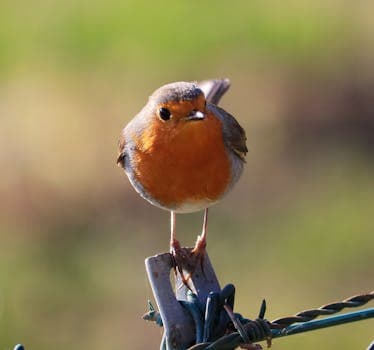
Cities and towns create unique ecological mosaics where wildlife adapts to human activity. For pet owners, understanding these urban habitats helps reduce conflicts, safeguard animals, and foster safer interactions between pets and wildlife. This article offers practical guidance on recognizing wildlife-friendly spaces, managing pet behavior around urban wildlife, and supporting healthy ecosystems in everyday outdoor routines.
Understanding Urban Habitats: Where Wildlife Roams
Urban wildlife thrives in interconnected networks of parks, street verges, green roofs, and even backyards. Food scraps, pet food left outdoors, and water sources can attract wildlife into close proximity with domestic animals. The key is to map your neighborhood in terms of shelter, food availability, and safe corridors. For example, dense hedges can serve as cover, while small ponds or birdbaths provide hydration but may also attract wildlife that your pets should not chase.

When you observe wildlife, note their behavior: Are they skittish around humans, or do they investigate quietly? Are there seasonal movements, such as birds migrating through your block or mammals using underbrush as travel routes? These observations help you adjust routines and reduce stress for both pets and wildlife.
Common Urban Species and Why They Matter to Pet Owners
In many cities, you’ll encounter species such as squirrels, raccoons, foxes, birds, and occasional reptiles. Each has specific needs and potential risks around pets. Squirrels may steal food or provoke chase games that lead to injuries for both animals. Raccoons can carry parasites or disease if they become habituated to human food. Birds are essential to local ecosystems, and their nesting sites can be disrupted by curious pets. Understanding these dynamics helps you set boundaries that protect wildlife while preserving your pet’s safety.
Safe Interactions: How to Manage Pets Around Urban Wildlife
Practical steps minimize negative interactions. Train dogs to recall reliably, especially near parks or known wildlife corridors. For cats, keep them indoors during peak wildlife activity times or use supervised outdoor enclosures (catios) to reduce the chance of wildlife encounters. Never allow pets to chase or harass wildlife; even a seemingly harmless chase can injure wildlife or escalate to dangerous confrontations.
Provide enrichment for pets indoors and in enclosed outdoor spaces. Mental stimulation reduces the motivation to chase wildlife. Use scent puzzles, treat-dispensing toys, and regular play sessions to channel energy productively. If you must walk near wildlife hotspots, keep dogs on a short leash and maintain a calm, steady pace to avoid startling animals.
Habitat-Sensitive Practices for Pet Owners
Small changes around the home can make a big difference. Secure trash lids, compost bins, and pet-food storage to reduce attractants. Plant native species that attract wildlife without encouraging dangerous encounters. If you feed birds or small wildlife, place feeders away from high-traffic pet areas and use baffles or deterrents to discourage access by pets.
Water features should be designed with safety in mind. A shallow, slippery rim can entice a pet to fall in, while a shallow pool might attract wildlife. Consider fencing around water features and provide escape routes for pets if they accidentally slip in. Routine cleaning of water features also minimizes algae buildup and reduces health risks for visiting wildlife.
Urban Design Tips: Creating Safe Corridors for Wildlife and Pets
Urban planning at the household level can foster coexistence. Create safe corridors by maintaining green connectivity, such as small hedgerows, unused fence lines, and ground cover that supports wildlife movement. At the same time, ensure your yard is a barrier that discourages unwanted wildlife visits if your pet is highly reactive. A thoughtful blend of habitat availability for wildlife and pet safety yields a win-win scenario.
What to Do If You Encounter Wildlife with Your Pet
Encounter scenarios require calm responses. If a wild animal appears during a walk, stop, step back slowly, and give the animal space. Do not attempt to feed or touch it, as this can habituate wildlife to humans. If a pet experiences a close encounter, calmly call for a recall and move to a safe area away from the wildlife.

In some cases, wildlife may become distressed or injured. Contact your local animal control, wildlife rehabilitator, or a veterinarian for guidance. Do not try to handle a wild animal unless you are trained and it’s a true emergency. Quick, measured actions protect both your pet and the wildlife involved.
Legal Considerations: Where Pet and Wildlife Laws Overlap
Regulations vary by city and state regarding interactions with wildlife and pet ownership. In some areas, feeding wildlife is discouraged or prohibited because it increases dependency and hazards. Other regulations address leash laws, vaccination requirements, and nuisance wildlife control. Always check local ordinances to stay compliant and to support urban conservation goals. When in doubt, contact local animal control or a wildlife agency for clear guidance.
Integrating Wildlife Conservation with Pet Welfare
Conservation in urban settings involves recognizing the intrinsic value of wildlife and the responsibilities of pet ownership. Responsible pet care includes not only training and safety but also respecting habitats and supporting biodiversity. Small daily actions – like securing attractants and choosing pet-friendly, wildlife-safe landscapes – compound over time to reduce conflicts and promote healthier urban ecosystems.
Industrial and Community Roles in Urban Wildlife Safety
Beyond individual actions, communities can participate in urban conservation through education campaigns, wildlife-friendly landscaping programs, and partnerships with local veterinarians and animal welfare groups. Community gardens, municipal parks, and school programs can promote coexistence strategies that protect both pets and wildlife. When neighborhoods collaborate, the result is safer spaces where wildlife can thrive without compromising pet safety.
Two Practical Case Studies: What Works in Real Homes
Case studies illustrate how simple changes yield meaningful outcomes. In one neighborhood, residents installed wildlife-safe bird feeders at a distance from dog play areas and added secure compost bins. Over a season, sightings of aggressive wildlife behaviors decreased, and dogs had fewer chasing incidents. In another home, catios and supervised outdoor time reduced nocturnal wildlife disturbance and kept birds nesting in protected spots elsewhere on the property. These practical adaptations show that thoughtful design, not fear, drives safer coexistence.
For pet owners seeking specific guidance on housing or terrarium setups for reptiles or small mammals, see our resources on terrarium setups. If you’re curious about the legality of keeping certain species in your state, our overview of pet legality provides a helpful starting point.
Maintaining a Balance: Quick Reference Checklist
- Leash dogs and supervise cats outdoors; use enclosed spaces when possible.
- Secure attractants: food, garbage, bird feeders placed away from pet activity zones.
- Provide enrichment to reduce chasing instincts in pets.
- Observe wildlife from a distance; never feed or handle unfamiliar animals.
- Maintain water features with safety considerations for animals and pets.
Urban wildlife will continue to navigate our built environments. By recognizing habitats, setting boundaries, and engaging in proactive conservation-minded habits, pet owners can enjoy outdoor time with their companions while minimizing risks to wildlife. The goal is coexistence: safer pets, healthier urban ecosystems, and a cityscape where wildlife and people share space with respect and care.