Home
Home
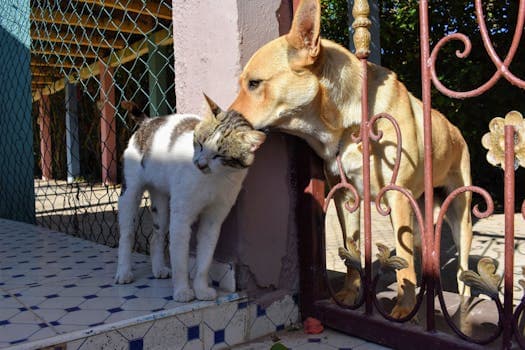
Introduction how curious facts about dogs and cats can empower smart pet owners
Curiosity is a powerful tool for responsible pet ownership. You want to know what your dog or cat may be thinking, how they interact with the world, and what daily habits keep them healthy and happy. This article provides a wide range of verified dog and cat facts that you can use to improve training, care routines, and quality of life. You will find practical tips, evidence based guidance, and actionable steps you can apply this week. If you own a furry friend, these insights will help you read signals, identify needs, and make informed decisions that strengthen the bond with your pet.
What qualifies as a dog fact and what qualifies as a cat fact
Dog facts and cat facts are statements supported by veterinary science or reputable animal behavior research. A dog fact might describe how dogs learn through positive reinforcement or how sniffing behavior aids mental stimulation. A cat fact might explain how cats use body language to communicate stress or how play helps kittens develop motor skills. Both sets of facts share the goal of guiding owners toward safer, more enjoyable interactions and routines. When you combine two animals perspective you can adapt behavior strategies that work for both species in multifaceted households.

How dogs think and why their senses matter for daily life
Dogs rely on a powerful sense of smell and a keen sense of hearing. This is not only interesting but practical for everyday care. Dogs have up to 300 million scent receptors in their noses compared with roughly 6 million in humans. This sensory acuteness means smells can trigger memories, emotions, and motivation to explore. A dog can learn tasks faster when sniffing is used as a reward or exploration activity. In addition to scent, dogs interpret sound cues and body language to navigate social situations with people and other pets. Recognizing these signals can prevent conflicts and improve obedience training. For example, a calm voice combined with consistent hand signals supports reliable response rates during training sessions. For owners looking to maintain hydration, a dog water intake routine can be improved by using flavor enhanced water or a predictable daily schedule which is described in further detail in the linked guide on how to get my dog to drink water.
How cats think and why their independence matters for home life
Cats are often described as independent yet deeply social with their preferred humans. They interpret environmental cues through vision, hearing, and whisker sensing. Cats value predictable routines and safe spaces to retreat. They may show affection through slow blinking, gentle head nudges, or following a favorite person from room to room. Understanding a cat’s perspective helps you tailor litter box placement, feeding times, and play sessions to reduce stress. A cat couple with a dog in the home may require additional transition time and supervised gemeinsam exploration to prevent territorial tension. For example, knowing why cats prefer sunlit spots can shape where you place a feeding station and create enrichment corners that reduce boredom. If you are curious about how to care for pets with seasonal changes, you can learn more about how to clean a dog wound and maintain general pet safety on our site.
Practical benefits of daily routines for dogs and cats
Daily routines create security for pets and predictability for owners. Key routines include feeding times, exercise windows, play sessions, and regular grooming. Dogs typically benefit from two daily walks or a structured play period that matches their age and breed energy. Cats benefit from interactive play sessions several times per day and opportunities for independent play with puzzle feeders. A reliable routine reduces anxiety and supports digestion, sleep, and overall health. To support hydration, consider adding a water bottle or fountain that encourages drinking during activity. If you want to learn how to cut dog hair or how to know if your dog is sick, our internal guides cover practical grooming and health checks to keep you on track.
How to train your dog and cat using science based steps
Training is built on clear objectives, consistency, and reinforcement. For dogs, start with simple cues such as sit, stay, come, and down. Use positive reinforcement like praise, treats, and short training bouts to sustain engagement. For cats, focus on environmental enrichment, gentle leash training, and clicker training when appropriate. A practical approach involves five steps: 1) define the goal, 2) break it into small steps, 3) choose rewards, 4) practice in low distraction settings, 5) gradually add complexity. By applying these steps you create confidence in your pet and stronger communication between you two. When you encounter a problem such as a dog that avoids drinking water, refer to the method in how to get my dog to drink water for actionable guidance that fits your routine. You can also explore how to know if your dog is sick for early detection signals that training should pause and veterinary care is needed.
What dogs and cats can teach us about social signals
Both dogs and cats communicate in part through body language. A wagging tail in a dog often signals excitement or happiness, but the tail position can also indicate tension if the dog is stiff. A cat may arch their back and puff their fur as a defensive reaction. Learning to read these signals helps you respond appropriately and reduces the risk of accidental bites or scratches. For cafe style cat friendly households, consider soft lighting and quiet spaces that invite calm behavior. For dogs, a predictable routine, a well fitted collar or harness, and a calm leadership style can minimize fear responses during visits to new places. This knowledge is particularly useful when planning visits to the veterinarian or meeting new dogs in a park. For more on common dog traits and breed considerations, you may enjoy our guide on top 10 most common dog breeds which provides breed level insights that align with practical ownership tasks.
Common myths about dog and cat behavior debunked
There are many myths that mislead new pet owners. For example the notion that cats hate water is not universal; many cats tolerate or even enjoy water play when introduced gradually and in a positive way. Another myth is that dogs always need tough training; in reality positive reinforcement builds trust and improves long term compliance. Understanding the science behind behavior helps you create humane and effective strategies. Always verify information with your veterinarian or licensed behavior consultant when dealing with persistent or dangerous behaviors. For broader context on pet health basics, you can read about how to care for a rabbit and related care guides that are part of our parental approach to small animal health which mirrors how you care for dogs and cats in many households.

How to optimize enrichment for dogs and cats at home
Enrichment supports mental and physical health. For dogs, enrichment includes puzzle toys, scent games, treat trails, and varied exercise. For cats, enrichment can be laser pointer sessions, climbing structures, and interactive feeders that encourage hunting style play. Rotating toys weekly keeps novelty high and reduces boredom. A practical plan is to schedule two daily play sessions, one for mental challenge and one for physical exertion, using different toys and activities to prevent habituation. For ideas on practical care routines that touch on grooming and general wellness, consider our dog care resources that explain how to cut dog hair and how to clean a dog wound for first aid readiness and ongoing care.
Health and safety tips every smart pet owner should know
Health and safety hinge on both prevention and prompt response to warning signs. Regular veterinary checkups, parasite control, dental care, and vaccination schedules are essential for both dogs and cats. Learning basic first aid such as how to clean a dog wound at home and recognizing early signs of illness helps you act quickly when time matters most. This section outlines a practical health plan that covers daily monitoring, seasonal care, and emergency readiness. For example, if you notice changes in appetite, energy, or bathroom habits, consult a veterinarian promptly. You can also check if your cat can see color to better understand how they view their environment. Our linked guides provide detailed steps and product recommendations that align with your routine and budget.
Breed and species differences and why they matter for daily care
Recognition of differences among dog breeds and cat types informs housing, feeding, and exercise plans. Some breeds require more daily activity; others may prefer quiet stimulation and environmental enrichment. Cats vary in sociability; some enjoy cuddle time with humans, while others seek independent play and personal space. The practical takeaway is to tailor routines to the individual pet rather than relying solely on breed stereotypes. A balanced approach blends activity with rest, ensuring both dogs and cats have energy management that supports long term health. When planning meals and treats, refer to reputable guidance like what to feed baby rabbits or safe spices for dogs to ensure a balanced diet that meets nutritional needs.
How to handle multi species households with dogs and cats
Multi species households require a deliberate approach to introductions, space design, and supervision. Start with slow, controlled introductions in a neutral space, provide separate resources such as feeding bowls and litter boxes, and create vertical spaces like cat trees for safe observation. Consistent routines and positive reinforcement for calm behavior help both species coexist peacefully. If fear or aggression emerges, revisit training basics and seek professional help promptly. For readers who own cats that spray or wish to understand cat communication better, our care guides offer detailed steps to reduce stress and manage territory in shared homes. You can also learn practical tips on how to get my dog to drink water for hydration strategies that apply in multi species homes.
How to choose enrichment toys that last and stay safe
Durable enrichment toys reduce the need for frequent replacements while supporting mental stimulation. Look for high quality materials, non toxic finishes, and appropriate size for your pet. For dogs, consider treat dispensing puzzles that match skill level and gradually increase difficulty. For cats, choose puzzle feeders and interactive toys that encourage hunting style play while protecting furniture. Rotating a small set of toys reduces wear and keeps play interesting. Always supervise initial use to prevent choking hazards. If you suspect a pet has been exposed to a toxic plant such as petunias, review safety in our pet health resources and ensure corrective action is taken if exposure occurs. If you want practical steps for grooming and maintenance, our how to cut dog hair guide offers hands on strategies you can implement this week.
Frequently asked questions about curious dog and cat facts
What is the fastest way to train a dog using science based methods? The fastest way is to set clear, attainable goals, practice in short focused sessions, and reinforce correct responses immediately with rewards. How can I tell if my cat is happy? Signs of happiness include relaxed body posture, purring during gentle interactions, and seeking proximity to you on their terms. Do dogs and cats communicate with humans differently? Yes, dogs generally respond to human cues with a desire to please, while cats may prioritize autonomy and comfort. Can dogs and cats share toys safely? Yes, with supervision and appropriate space, but avoid shared items that could cause competition or stress. Do you have a resource on dog hair maintenance and coat care? Yes, our how to cut dog hair guide covers trimming techniques and grooming tips to keep coats healthy and comfortable for your pet.
Conclusion and actionable takeaways for smart pet owners
Smart pet owners blend curiosity with practical care. You now know how dogs think through senses and training signals, and how cats communicate through body language and routine. You have concrete steps to improve daily life, including routines, enrichment, safe handling, and health management. The best outcome is a happier, healthier pet and a stronger owner pet relationship. Apply these insights with one small change this week such as adding a dedicated enrichment session or scheduling a veterinary checkup to stay ahead of issues. Your pet will respond with increased trust and energy, and you will enjoy a deeper connection as you adapt to your pet’s unique personality and needs. For ongoing care and further reading, consider implementing the linked guides in your care plan and exploring more about dog and cat care on our site.