Home
Home
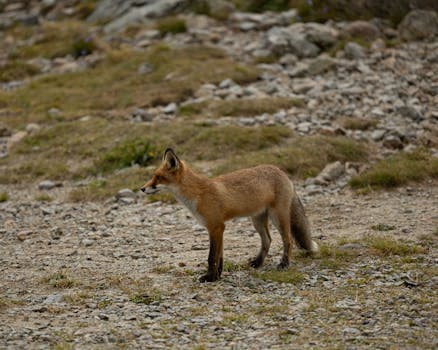
Cities are hubs of biodiversity, and among the most visible nocturnal visitors are red foxes (Vulpes vulpes). In many urban and suburban areas, these resilient mammals adapt quickly to human-altered landscapes, foraging for food, denning in hedgerows, and navigating through parks and backyards. While foxes can be charming to observe, conflicts between people and foxes occur – ranging from property damage to concerns about pet safety. This article provides practical, science-backed strategies for reducing these conflicts, protecting both wildlife and human communities.
What Makes Urban Foxes Special?
Foxes are highly adaptable, nocturnal hunters that rely on a mix of small mammals, birds, insects, fruits, and anthropogenic food sources. In urban settings, predictable food-rich environments, shelter opportunities, and reduced predation can increase fox populations in neighborhoods. This doesn’t mean a city is overrun by foxes; it means that foxes have found niches where human activity intersects with their ecological needs. Understanding this dynamic helps homeowners and local authorities design humane, effective management plans.

Key behaviors to expect
- Rubbish and compost may become de facto feeding grounds if unsecured.
- Foxes are mostly crepuscular – active at dawn and dusk – and sometimes nocturnal in urban areas due to light and noise.
- Young foxes (kits) may explore new territories in spring and summer, increasing sightings.
- Foxes often den in hedgerows, culverts, under decks, or in vacant lots; noise and disturbance can drive them away, while calm environments encourage stable residents.
Why Conflicts Arise in Urban Settings
Conflicts aren’t about malice; they stem from food, shelter, and safety tensions. When foxes raid bins or snack on pet food left outdoors, neighbors may feel their property is under siege. Citizens who worry about small pets or poultry might react with fear or punitive measures, which can unintentionally harm fox populations. A balanced, proactive approach emphasizes deterrence, education, and habitat design that reduces opportunities for unwanted encounters.
Common conflict scenarios
- Night-time raiding of bins and unlocked trash cans.
- Foxes approaching fenced yards with unsecured pet food or small animals.
- Denning sites near human structures leading to coexistence challenges.
- Human-wildlife feeding due to easy access to scraps and garbage.
Practical, Actionable Steps to Reduce Conflicts
The most effective conflict reductions come from a combination of waste management, habitat design, public education, and community cooperation. Below are concrete steps you can implement today, with minimal cost and maximum impact.
1) Secure food sources and waste
Foxes will travel far for food if it’s easy to obtain. Start with rubbish control: invest in sturdy, wildlife-resistant bins with tight-fitting lids and foot-operated openings. Store bins inside a garage or shed if possible, especially during late evening and early morning hours when foxes are most active. Do not leave pet food outdoors, and use feeders that minimize access for other wildlife. Remember to clean up fallen fruit from trees; fruit scraps attract a variety of wildlife, including foxes in some areas.
2) Manage compost and garden waste responsibly
Compost piles attract foxes because they provide a reliable calorie source. Use enclosed composters with secure lids and avoid adding meat, fats, or dairy. If you don’t have a closed system, keep compost away from the house and upgrade to a sealed, lockable container. Consider partially burying compost bins to reduce visibility and accessibility from ground level. For elevated or locked composters, place them in a shed or garage to limit easy access.
3) Create fox-proof zones around outdoor spaces
Fencing can help, but foxes can jump and dig under barriers. Use fencing that is buried a few inches below ground or extend fencing to the ground with a mesh base no larger than 2 cm (0.8 inches). Install a secure lid over any open garden beds and consider adding a deterrent under decks or sheds where foxes may den. Planting dense hedges or using thorny, low-maintenance shrubs can create natural barriers without harming fox movement elsewhere.
4) Use humane deterrents strategically
Non-lethal deterrents can reduce attractants. Motion-activated lights and sprinklers may discourage foxes from visiting yards, but they should be used thoughtfully to minimize stress on other wildlife. Use scent-based deterrents with caution; unfamiliar scents can disrupt local ecology and may not be long-lasting. Key is consistency: deterrents work best when paired with secure food handling.
5) Limit access to private spaces
Lock doors to sheds and garages, especially if they contain pet food, poultry feed, or water sources. Cover vents and create barriers to prevent entry into crawl spaces or under structures where foxes might den. If you have a pet in a secure outdoor enclosure, ensure the enclosure is fox-proof and predator-proof with a solid floor and no gaps large enough for a fox to squeeze through.
6) Manage pet safety without isolating pets
Urban foxes are generally wary of humans and prefer to avoid direct contact. Keep small pets indoors or supervised when outdoors, particularly at dawn and dusk. If you keep poultry or small animals, secure coops with reinforced doors and wire mesh. Do not feed or interact with foxes; human interaction can habituate them, making future encounters more risky for both parties.
7) Landscape with wildlife in mind
Consider how your garden design affects fox movements. Dense ground cover or long grass can provide cover for foxes traveling through a yard. Regular mowing and tidying up clutter reduces resting sites. If you want to maintain wildlife-friendly features, create designated viewing areas away from food waste and pet enclosures to minimize conflicts while still supporting urban biodiversity.

Legal and Ethical Considerations
Urban wildlife management often involves local regulations and ethical guidelines. It’s essential to be aware of legal protections for foxes and the appropriate channels to report conflicts. In many regions, hands-on interventions by private individuals without proper authorization can be illegal or unethical, potentially endangering both people and wildlife. If conflicts persist, engage with local wildlife authorities or licensed wildlife rehabilitators to develop a plan that aligns with regional laws and best practices.
Engaging with local authorities
Start by documenting sightings and conflict incidents with dates, times, and photos when possible. A clear log helps wildlife officers assess risk and target interventions more effectively. Community-level actions, such as neighborhood composting programs and coordinated waste management, can reduce fox attractants city-wide and minimize repeat incidents.
When to Seek Professional Help
While many conflicts can be resolved through at-home measures, certain situations require professional input. If a fox is behaving aggressively, appears injured, or is repeatedly approaching households with a potential to harm pets, contact local wildlife authorities or a licensed wildlife rehabilitator. Do not attempt to trap or relocate a fox yourself; improper handling can lead to injury and spread disease. Professional trappers and rehabilitators are trained to assess risks and implement humane solutions.
Human-Wildlife Coexistence: A Community Approach
Reducing conflicts with urban foxes is most effective when communities work together. Educational campaigns that explain fox behavior, safe waste practices, and humane deterrents have shown strong results in many cities. Community-led projects can include improved street-lighting, better trash management infrastructures, and shared funds for wildlife-friendly fencing. When neighbors adopt consistent practices, foxes learn that some yards are not reliable food sources, reducing their need to roam in search of scraps.
Case study: Neighborhood success in reducing fox conflicts
A coastal city undertook a year-long program to secure waste and educate residents about fox behavior. The city provided subsidized wildlife-resistant bins, organized a weekend cleanup drive, and hosted public talks on safe pet practices. Within twelve months, calls to wildlife services for fox-related incidents dropped by over 40%, and local parks reported fewer daytime sightings. The coordinated effort demonstrated that practical changes in waste management and community engagement can significantly reduce human-fox conflicts without harming the animals.
Research, Monitoring, and Adaptation
Ongoing monitoring helps determine whether strategies are effective and where adjustments are needed. Citizen science programs, where residents submit sightings and incidents, can enrich local datasets and guide future interventions. Tracking fox movement through non-invasive methods (e.g., camera traps, footprint tracking) provides insights into how foxes use urban landscapes and which features attract or deter them. By analyzing data over multiple seasons, communities can adapt policies to changing urban dynamics, such as new housing developments or climate-driven changes in wildlife behavior.
Frequently Asked Questions
Q: Are foxes dangerous to pets? A: Generally, foxes avoid direct contact with pets, but close encounters can occur, especially with small animals. Supervise pets when outdoors in fox-prone areas, and secure enclosures for poultry or other vulnerable animals.
Q: Do foxes carry diseases I should worry about? A: Foxes can carry diseases like mange or certain parasites, but the risk to humans is generally low with proper caution. Do not handle foxes, and ensure pets are current on vaccines and parasite prevention.
Q: Can I relocate a fox that’s raiding my trash? A: No. Relocation is often illegal and can be harmful to the fox and local ecosystems. Focus on deterrents and securing food sources instead.
Putting It All Together: A Step-by-Step Plan
To implement a practical plan in your neighborhood, use the following six-step framework. It is designed to be actionable, measurable, and scalable across communities of various sizes.
- Audit your home and yard for attractants. List all potential food sources, then close off access points with sturdy bins and sealed composters.
- Collaborate with neighbors. Host a one-hour “fox safety” meeting to align waste management, pet safety, and deterrent usage.
- Invest in wildlife-resistant infrastructure. Install secure trash enclosures, fox-proof fencing, and reinforced pet enclosures where needed.
- Implement non-lethal deterrents. Use motion-activated lights or sprinklers in a consistent, humane manner, ensuring they don’t disrupt other wildlife or residents. Learn about humane wildlife practices to inform deterrent choices.
- Educate and communicate. Create simple handouts or a neighborhood email list with do-you-know-fox facts and safety tips.
- Monitor and adapt. Keep a simple log of sightings and incidents; adjust strategies quarterly based on what works.
Glossary of Practical Terms
Attractant: something that draws wildlife to a location, such as food waste or unsecured compost.
Deterrent: a tool or method used to discourage wildlife from entering an area.
Habitat modification: changes to an environment to make it less favorable for wildlife while preserving ecological function.