Home
Home
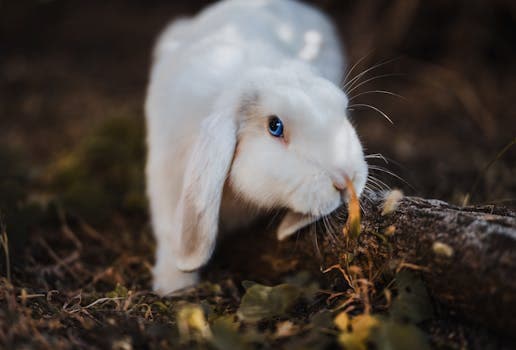
Public journals – whether in local newspapers, school newsletters, or digital community boards – offer a unique platform to spotlight endangered species and the simple actions everyday pet owners can take to help. These journals create a bridge between scientific findings and daily routines at home, helping families translate complex conservation concepts into doable steps. When readers see actionable ideas tied to familiar pets and habitats, they are more likely to engage, share, and advocate for credible initiatives.
For many households, the most practical entry point is recognizing how our pets’ environments intersect with wildlife health. A dog’s walk in a city park or a cat’s curiosity in a backyard garden can expose wildlife encounters – some beneficial, some risky. Public journals can guide readers to observe, report, and respond to wildlife interactions in responsible ways that support broader conservation goals.
Why Endangered Species Matter to Pet Owners
Endangered species are not distant problems; they touch everyday life. Habitat loss, pollution, and climate shifts ripple through ecosystems, impacting the availability of healthy prey, clean water, and even common garden birds that help control pests. Pet owners benefit when ecosystems stay robust: fewer disease vectors, healthier pollinator populations, and more resilient natural spaces for walks and recreation.

Public journals can emphasize tangible links between pet care and wildlife protection. For example, keeping outdoor attractants properly stored, managing waste, and supporting humane wildlife corridors all reduce dangerous encounters and improve biodiversity. When readers understand these connections, they’re more likely to adopt practices that protect both their pets and the species that share their world.
Practical Ways to Use Journals for Conservation
Start with a clear, reader-friendly plan. A weekly column can cover one endangered species per month, with a practical action item for pet owners. For instance, a feature on sea turtles can explain why beaches are critical nesting habitats and how to minimize light pollution at night near coastal properties. The goal is to translate science into small, safe steps readers can implement immediately.
Public journals should include:
- Simple explanations of where endangered species live and why they’re at risk
- Local-action ideas that align with pet-owning routines
- Verified resources for responsible wildlife viewing and reporting
- Stories showcasing community successes to inspire readers
Two Practical Programs for Pet Owners
1) Neighborhood Wildlife Monitoring: Create a pamphlet-style insert that explains how to observe wildlife from a safe distance, what signs indicate healthy habitats, and how to report sightings to local conservation groups. This builds a community science approach where pet owners contribute meaningful data without disturbing animals.
2) Responsible Outdoor Cats and Dogs: Offer guidance on keeping pets indoors at night during sensitive nesting seasons, using humane deterrents, and securing yards to reduce predation on native species. These steps protect both pets and wildlife, reinforcing the shared responsibility of caring for local ecosystems.
How to Craft a Compelling Narrative for Pet Owners
Humans connect with stories more than statistics. When you frame conservation messages around everyday pet experiences – walks in the park, yard play, or visits to the beach – readers are more likely to absorb and act on them. Use concrete examples, photos, and clear calls to action to keep readers engaged over time.
In your journal, include a recurring feature such as a “Pet and Wildlife Spotlight” that highlights a species, its habitat needs, and a simple weekend project readers can try. For example, readers could create a wildlife-friendly garden that supports pollinators while remaining safe for curious cats and dogs.
Spotlight on Sea Turtles: A Case Study for Pet Owners
Sea turtles face a range of threats, from habitat loss to plastic pollution. Public journals can help readers understand how coastal communities – and pet owners with beach access – play a role in protecting nesting beaches and marine habitats. Practical tips include reducing artificial lighting near nesting sites, participating in beach cleanups, and supporting credible rescue organizations. For more on the wildlife challenges facing sea turtles, you can read about why sea turtles are endangered in the broader context of marine conservation. sea turtles endangered.
Pet owners can also contribute by ensuring their pets do not disturb nesting areas during sensitive periods. If you visit beaches with dogs, keep dogs leashed during nesting season, and avoid corridors that could disrupt hatchlings heading toward the sea. These small steps help protect a remarkable species whose survival hinges on community stewardship.
Addressing Common Misconceptions in Public Journals
Misconceptions about wildlife rescue can lead to unsafe outcomes for both pets and wildlife. A common myth is that taking a rescued animal from the wild is beneficial, but in many cases, it is illegal or harmful to the ecosystem. Public journals can debunk such myths by citing local regulations and encouraging readers to contact trained wildlife rehabilitators when they encounter distressed animals. When readers know the proper channels, they’re more likely to take responsible actions that help conserve populations rather than inadvertently harming them.

Similarly, many people wonder whether exotic pets are a solution for helping conservation. In truth, owning an exotic animal as a pet rarely contributes to species recovery and can complicate welfare and safety. Journals can provide balanced information with references to local laws and animal welfare standards to guide readers toward responsible choices.
How to Partner with Local Audiences and Institutions
Collaborations amplify impact. Work with veterinary clinics, pet stores, and animal shelters to distribute conservation inserts. Host joint events like “Pet, Play, and Protect” days where families learn about wildlife-friendly practices while also enjoying pet-friendly activities. Community partnerships can also help collect local wildlife sighting data, strengthening neighborhood plans for habitat preservation.
Schools and youth groups are another powerful audience. Encourage students to publish student-led conservation journals that pair with pet care activities – such as building bird-friendly feeders or planting native garden species that sustain local wildlife. These intergenerational efforts foster a culture of care that extends beyond the household and into the community.
Legal Considerations and Responsible Messaging
Public journals should emphasize legal and ethical boundaries. Provide clear guidance on reporting wildlife encounters, obtaining permits when necessary, and respecting wildlife regulations. In some regions, handling or keeping wildlife is illegal or requires special licenses. By clearly outlining these rules, journals protect readers and support lawful conservation work.
Always cite credible sources and avoid sensational claims. Readers will trust content that links to peer-reviewed studies or established conservation organizations. When in doubt, direct readers to official resources for further guidance.
Can Turtles Live in a Terrarium? A Practical Note for Pet Owners
For readers curious about small-scale terrarium setups for reptile enthusiasts, it’s essential to understand where such practices fit into conservation ethics. While some terrarium species can be kept responsibly as educational pets, any setup should prioritize the animal’s welfare and local biodiversity. If your curiosity extends to broader questions about pet safety and wildlife impact, consider reading about the broader context of turtle care and conservation. For more on turtle care and habitat considerations, see can turtles live in a terrarium and the regulatory realities surrounding turtle ownership in various regions.
In practice, avoid releasing captive turtles into the wild. Releasing pets can introduce non-native diseases, disrupt local ecosystems, and violate wildlife regulations. If you are unsure about the appropriate care or release options, consult a licensed veterinarian or a wildlife rehabilitator before making any decisions.
Long-Term Strategies: Building a Culture of Conservation at Home
A sustained approach to conservation starts with daily routines. Simple habits – responsible waste disposal, reduced plastic use, and choosing products with wildlife-friendly certifications – accumulate into meaningful impact over time. Encourage family members to track changes in local wildlife sightings and discuss improvements at weekly family meetings. The goal is to transform awareness into steady, repeatable actions that protect endangered species while enriching your pets’ environment.
Public journals can guide readers to develop a personal action plan. Create a monthly checklist that includes habitat-friendly garden practices, safe pet management around wildlife corridors, and participation in local conservation events. A consistent, practical framework helps readers stay engaged and accountable.
Evaluating Impact: Measuring Success of Journal-Based Outreach
To know whether your public journals are moving the needle, track tangible outcomes. Monitor attendance at community events, the number of local volunteers, and the volume of wildlife sighting reports submitted to conservation groups. Solicit reader feedback through brief surveys to refine topics, ensuring that content remains relevant and actionable for pet owners.
Highlight success stories in each issue to reinforce positive behaviors. When readers see real-world results – such as cleaner beaches, restored pollinator habitats, or reduced pet-wildlife conflicts – they are more likely to continue supporting conservation efforts and to encourage others to participate.
Case Studies: Community Champions
Communities that adopted journal-driven strategies often report improved awareness and stronger partnerships with local veterinarians and shelters. For example, a coastal town might launch a bi-monthly conservation column paired with a weekend beach clean-up. Over time, this approach yields measurable reductions in litter, healthier nesting habitats for shorebirds, and safer experiences for pets on the beach. This collaborative model demonstrates how powerful public journals can be when combined with practical, on-the-ground actions.