 Home
Home
Introduction and Quick Answer to a Common Question
You want a safe, enjoyable space for your pets and a thriving wildlife neighborhood right in your own yard. Protecting wildlife in your backyard means creating pet friendly habitats that support local species while minimizing risks to both pets and wild animals. This article explains practical steps and clear actions you can take today to balance pet ownership with wildlife conservation.
What exactly does protecting wildlife in a pet friendly backyard mean
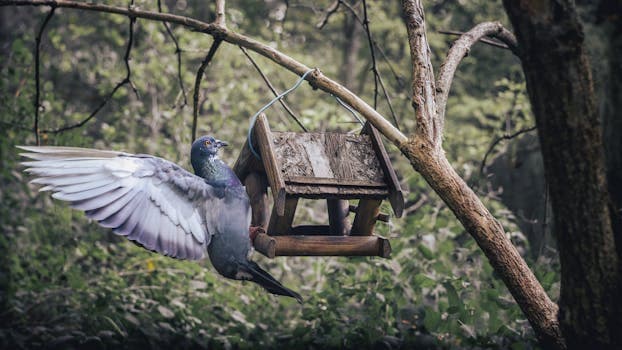
Protecting wildlife in a pet friendly backyard means designing spaces that invite beneficial animal visitors while reducing hazards for both pets and wildlife. It involves securing attractants that may lure wild animals, providing safe containment for curious pets, and adopting habits that promote coexistence. A well managed yard can support birds, small mammals, amphibians, and pollinators without compromising the safety and health of your pets. For example, feeding wild birds from a feeder that is positioned away from fences and play areas creates a minimal risk of pet predation while offering birds a reliable food source. You may also create sheltered microhabitats that encourage beneficial insects and shelter for wildlife without encouraging pests that could threaten your pets.

Why backyard wildlife matters for pet owners
Wildlife in the backyard contributes to a balanced ecosystem and provides enrichment for pets. Observing birds, butterflies and small mammals can be educational and entertaining for families, while also supporting natural pest control and pollination. Evidence shows that urban green spaces with diverse plant life attract a variety of species and support healthier landscapes overall. Pet owners benefit from reduced pest pressure and a more engaging outdoor experience with their companions. The presence of wildlife also teaches children and adults about responsibility, patience, and the interconnectedness of living beings. When managed responsibly, a yard can host wildlife and provide a safe play area for dogs and cats alike.
Practical safety first in a pet friendly backyard
Safety is the cornerstone of protecting wildlife while keeping pets secure. Here are practical steps you can implement now. First, secure potential wildlife corridors by trimming vegetation that creates hidden pathways near fences. Second, install escape routes and high perches for birds and small animals so they can retreat from curious pets. Third, avoid using chemical pesticides that can harm wildlife and pets alike; switch to natural or pet friendly alternatives. Fourth, manage access to water sources to prevent accidental drowning or contamination. Finally, supervise pets during outdoor time and use enclosed spaces or patrol areas when wildlife activity is high. By combining these strategies you can reduce conflicts and increase opportunities for wildlife to thrive in your yard.
How to design your yard for wildlife and pets
Designing a yard that supports wildlife and keeps pets safe involves thoughtful layout and plant choices. Start by mapping zones: a pet zone with secure fencing and a wildlife zone with native plants and sheltered microhabitats. Plant diverse species that bloom at different times to sustain nectar feeders and pollinators. Create ground cover that offers cover for small mammals and nesting spaces for birds, but ensure there are no easy routes for pets to chase wildlife across these zones. Use natural fencing elements such as dense hedges to channel wildlife paths away from pet play areas. Install bird friendly feeders at heights and distances that reduce pet access while still inviting birds. Consider adding a small pond or shallow water feature with a predator guard to attract amphibians and insects while protecting pets from drowning hazards. For example, placing a birdbath on a tall pedestal deters dogs while allowing birds to access water. The right combination of plants, water features, and barriers can produce a resilient ecosystem that benefits wildlife and keeps pets content.
What to feed and what not to feed wildlife in a yard
Feeding wildlife can attract animals to your yard, which is not always ideal for pets. When feeders are used, they should be specifically designed for wildlife and positioned to minimize pet interference. Do not feed wildlife human foods or scraps; these foods can harm animals and encourage aggressive interactions with pets. Offer nectar producing plants and seed mixes that are appropriate for the local wildlife without creating dependency. If you observe wildlife near your home, observe from a distance and avoid handling or attempting to relocate animals. In addition, ensure pet food is not left outside unattended as it can attract wildlife and create potential conflicts with pets. For cats and dogs, ensuring they have supervised outdoor time reduces the chance of wildlife encounters that could become dangerous for both parties.
How to create safe spaces for birds and small mammals
Birds require perching options, water, and protection from predation. Small mammals need shelter, food, and predator avoidance. A balanced approach includes a mix of evergreen shrubs that offer year round cover, deciduous trees for seasonal shelter, and ground covers that provide concealment. Birdhouses, nest boxes, and brush piles offer nesting and shelter areas while remaining out of reach of cats. For small mammals like rabbits and hedgehogs, avoid dense ground cover that traps or injures them and instead provide low screen hedges and safe mulch layers. You can place predator guards on tree trunks and install fencing with gaps no larger than a rabbit’s body width to prevent escapes or entry. For a practical example, set up a small brush pile at the far edge of the yard and place a bird feeder near a tall tree. This arrangement gives birds safe access to food while providing small mammals a place to hide away from pets. You can also incorporate a shallow pond with a protective rim to attract amphibians and to provide drinking water for wildlife without creating a drowning hazard for pets. Hamster teeth trivia inspires thoughtful consideration about species specific needs and safety considerations for small pets in the same environment.
Grooming and training your pet to share space with wildlife
Education and training are critical components of coexistence. Teach dogs to respond to recall commands reliably and practice outdoor leash time in wildlife zones. Cats should be kept indoors during peak wildlife activity hours, or use a secure outdoor enclosure to allow safe exploration. Enrich outdoor time with puzzle feeders that keep pets mentally stimulated, reducing boredom driven chase behavior. Regular grooming and parasite control protect both pets and wildlife by minimizing disease transmission. A well exercised dog is less likely to chase wildlife, and a content cat is less inclined to roam into risky areas. Implementing a simple training routine, such as a consistent call back and a visible leash rule in active wildlife zones, can dramatically reduce conflicts and keep your yard a safe haven for all inhabitants.

Seasonal challenges and how to handle them
Different seasons bring unique challenges for protecting wildlife. In spring, focus on nest protection and avoiding pruning during nesting periods. In summer, ensure ample water sources and shade to prevent heat stress for wildlife, while keeping pet play areas shaded and secure. Fall may bring increased migratory activity; provide bird friendly feeding stations and avoid large cleanup that disturbs wildlife habitats. Winter requires mindful shedding of leaves to maintain stable shelter and by adding evergreen cover to protect wildlife against cold. By adapting your yard management to seasonal needs you create a dynamic habitat that supports wildlife year round while keeping pets safe and engaged with a stable environment.
Indoor and outdoor habit changes that help wildlife and pets alike
Small lifestyle adjustments can have large effects. Use non toxic lawn care methods and compost responsibly to minimize chemical runoff that harms wildlife. Keep trash secured and avoid leaving pet waste accessible to wildlife, which can spread disease. Use motion activated lights sparingly to reduce disruption to nocturnal animals. Set up a dedicated feeding and watering routine that keeps wildlife away from pet feeding areas. By aligning routine with wildlife activity and pet safety, you create a harmonious outdoor space that supports biodiversity and reduces risky encounters for your pets.
California example and global applicability for backyard wildlife care
While the specifics vary by location, the principles of habitat creation, safe design, and pet management translate easily. In regions with high bird diversity, implement dense hedges and layered planting to provide both foraging and nesting opportunities while keeping pets away from nests. In more arid zones, choose drought tolerant natives that offer waterwise shelter, nectar and bee friendly pollinator support. The key is to tailor plant selection, water features, and enclosure designs to your local climate while maintaining the core practice of balancing pet safety with wildlife enrichment. To illustrate broad principles, consider observing how many teeth rabbits have, and how their feeding patterns differ from cats and hamsters, which highlights the importance of providing species appropriate foods and environments. Rabbit teeth facts help ground this discussion in practical species specific knowledge.
What to avoid to keep wildlife safe and pets happy
Avoid using chemical pesticides, rodenticides, and herbicides that can harm wildlife through residue in water or food chains. Do not feed wildlife indoors or leave pet food outdoors where it can attract predators or disease vectors. Avoid releasing unwanted or injured wildlife back into the yard without professional guidance as this can create hazards for other wildlife and pets. Refrain from building dense, uncleaned brush piles near living areas that can harbor pests. Clean up fallen fruit promptly to prevent attracting raccoons and other wildlife that could interact dangerously with pets. By avoiding risky practices, you reduce injury and disease risk while strengthening wildlife presence in a responsible manner.
Key indicators of healthy coexistence in your backyard
Healthy coexistence shows as a yard with a variety of flowering plants, stable bird and insect activity, and fewer pet related incidents. Regularly monitor wildlife sightings and pet interactions to identify patterns that may require adjustments. If you notice increased predation on birds or closer pet encounters, modify feeding stations, adjust fencing height, or relocate attractions to safer zones. Tracking changes over seasons helps refine your habitat and ensure the long term viability of wildlife populations in your yard while keeping your pets safe and happy.
Conclusion and action plan for pet owners
To protect wildlife in your backyard as a pet owner, implement a layered plan combining habitat design, safety practices, and ongoing observation. Start with a yard assessment and set clear zones for pets and wildlife. Then, add plant diversity, shelter options, and water features that support wildlife without becoming hazards for pets. Establish rules for supervised outdoor time and invest in training for recall and respectful boundaries. Finally, monitor seasonal changes and adapt your plan to maintain balance year round. By following these steps you create a thriving backyard ecosystem that supports wildlife and offers a safe, engaging space for your pets. If you are curious about the dental anatomy of small mammals that share your yard, you can explore how many teeth does a cat have and how many teeth does a hamster have to gain a broader understanding of herbivore and carnivore needs and behavior. Hamster teeth trivia and Cat teeth facts can provide useful context for crafting species appropriate care approaches.






