Home
Home
Introduction
You want a safe home for your pets and for the wildlife that shares your neighborhood. Protecting wildlife in your backyard is not only a conservation act but a practical approach to reduce pests, support local ecosystems, and keep pets safe. This article explains how pet owners can create a backyard that respects nature while keeping dogs and cats content and secure.
Wildlife and pets can coexist when guardians take thoughtful steps. In this guide you will learn practical strategies, actionable tips, and clear steps you can implement today. The goal is to help you create a welcoming environment for birds, small mammals, and insects while minimizing risk to your furry companions.

What is protecting wildlife in a home garden and backyard entails
Protecting wildlife means designing spaces that provide food, water, shelter, and safe passage for animals without inviting conflicts with pets. It also means avoiding practices that harm non target species or encourage dangerous interactions. A well managed outdoor area can support pollinators like bees and butterflies, small critters, and local birds, while reducing pet related hazards like chases or accidental injuries.
For pet owners, the goal is to balance pet enjoyment with wildlife safety. You achieve this by implementing barriers, choosing pet friendly plants, and guiding your pets toward safe outdoor routines. The approach is practical and evidence based, focusing on real world situations you face in urban, suburban, and rural backyards.
Why pet owners should care about backyard wildlife
Protecting wildlife benefits your pets as well. A robust ecosystem controls pests naturally, which reduces insect bites and disease exposure for pets. Healthy wildlife habitats also support biodiversity that strengthens the resilience of your landscape against severe weather and climate shifts. When you understand the local fauna, you can anticipate potential hazards such as toxic plants or hazardous garden tools and address them proactively.
Evidence shows that well planned outdoor spaces can reduce stress in dogs and cats, provide enrichment, and encourage gentle exercise that aligns with natural instincts. For example, allowing birds to forage in a safe area away from pet zones reduces fruitless chases while still offering animal interaction through observational learning and scent exploration for curious pets.
Assessing your backyard for wildlife friendly features
Begin with a simple assessment. List the animal groups most common in your area and identify potential hazards for each. Common backyard wildlife include birds such as robins and sparrows, small mammals like squirrels, and beneficial insects including pollinators. Then check for five key elements: water sources, shelter, safe feeding areas, plant diversity, and pet boundaries. A quick audit can reveal gaps to fill and risks to mitigate.
Next, observe daily routines to understand how pets use the yard. Note times when birds visit feeders, when cats patrol the fence line, or when dogs show interest in small mammals under shrubs. This helps you tailor protective measures without reducing ecological value.
How to design a wildlife friendly and pet safe backyard in five steps
- Create separate zones: Establish a wildlife zone with native plants and a pet zone with secure fencing or barriers. A simple buffer zone between zones reduces direct encounters and encourages pets to explore their own space.
- Provide water and shelter responsibly: Use shallow bird baths with gentle edges and ensure there are shaded, dry shelter options for small wildlife. Water features should be placed away from pet activity zones to limit dramatic wildlife visits near pets.
- Choose non toxic and diverse plantings: Native plants attract local wildlife and require less maintenance. Avoid ornamental plants with known toxicity to pets and ensure there are plenty of edible greens for small herbivores away from pets.
- Install humane barriers: Use escape proof fencing or visual barriers that deter pets from entering wildlife areas while allowing birds and small animals to move freely in their zone. Consider motion activated lighting or scaled fencing when needed.
- Schedule safe interaction times: If you offer enrichment items for wildlife, do it during times when pets are secured inside. This reduces chasing and protects both pets and wildlife while preserving natural behaviors.
These steps create a balanced system where wildlife can thrive and pets can explore safely. The approach is practical and repeatable, so you can adjust as seasons change or as you add new species to your local ecosystem.
Safe plant choices and toxic plant awareness for pet owners
Choosing the right plants is a cornerstone of wildlife friendly gardens. Native species support local food webs and typically require less water and maintenance. Before planting, verify that each species is non toxic to your pets. For example petunias are often grown in many yards but some species can cause mild stomach upset if ingested by dogs, so place them in areas less accessible to pets. A thorough plant list and local extension recommendations can guide your choices and reduce risk to your animals.
In addition to toxicity, consider plant structure. Dense shrubs provide shelter for birds and small mammals but can shelter pests if overgrown. Regular pruning maintains flow for pet movement and reduces hideouts for pests. You can create layered plantings with tall trees, mid height shrubs, and groundcovers to mimic natural habitats while keeping pets at a safe distance from delicate wildlife zones.
Water management and safety for wildlife and pets
Water is a critical resource in any landscape. Wildlife needs clean water for drinking and bathing, especially in hot months. Install shallow bird baths with gradual slopes and ensure water is refreshed regularly to deter stagnation. Pet owners should place water sources in zones that are visually separated from pet play areas to minimize competition and accidental ingestion of contaminated water.
Consider small water features such as a shallow fountain or a gentle pond edge, but keep these features fenced or marked to prevent pets from falling in or attempting to fish out wildlife. If you maintain a fish pond, use safe fencing and cover nets when necessary to prevent entrapment of birds or mammals and protect pets from potential drowning incidents.
Feeding wildlife responsibly while protecting pets
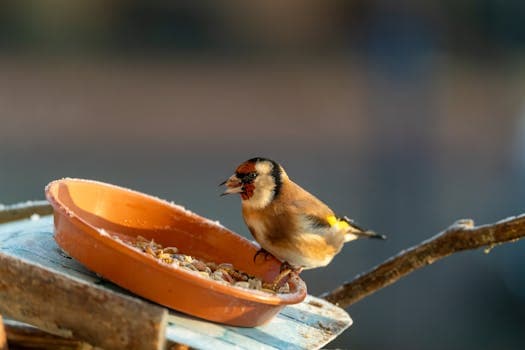
Feeding wildlife is a controversial topic. Some wildlife groups discourage feeding because it can alter natural behaviors or create dependency. If you choose to feed, do so in a dedicated area away from pet zones and use appropriate foods. For birds, offer high quality seed mixes and avoid offering processed human foods. For small mammals, limit access to feeding stations to reduce attractants that invite pets to raid the area. Regularly clean feeders and remove spilled food to prevent attracting pests and disease.
Never feed wildlife directly in the presence of pets. A here and now rule is that wildlife is best observed from a distance. If you notice pets stalking birds or small mammals, redirect them to a secure training session or a supervised play area to prevent negative interactions. By separating feeding from pet activity you minimize risk while allowing wildlife to thrive in nearby habitats.
Managing pet behavior to reduce wildlife conflicts
Training and routine are essential for minimizing conflicts with wildlife. Basic obedience training ensures dogs respond to recall commands, slows pursuits, and reduces chasing tendencies. For cats, provide high perches and catios that allow them to observe wildlife without exiting the house or chasing birds. A combination of enrichment activities, leash training, and safe outdoor play can help cats burn energy without causing wildlife disturbances.

Use daytime supervised outdoor time to reinforce good behavior around wildlife. If your dog shows persistent chases or aggression toward wildlife, you may need to temporarily restrict access to the yard or adjust the layout to separate zones. The aim is clear boundaries that protect wildlife while giving pets a satisfying outdoor experience.
Seasonal considerations for backyard wildlife and pets
Seasonal changes influence wildlife behavior and pet safety. In spring, birds are building nests and should be given quiet spaces away from busy yards. Summer brings heat and water needs, requiring shaded areas and reliable hydration for both pets and wildlife. Autumn often increases wildlife activity around food sources, so ensure feeders are secure and pets are supervised. Winter tasks include checking for safe shelter, insulating habitats, and preventing frozen water sources that could stress wildlife and pets alike.
Real world examples and case studies
A suburban family created a wildlife friendly zone by planting native shrubs along a fence line, installing a shallow bird bath in a sheltered corner, and adding a catio connected to the house. The result was increased bird visits, fewer chase incidents, and a calmer yard overall. In another neighborhood, a cat owner reduced outdoor activity during peak bird migration days and used enrichment toys inside the home and in a protected yard to satisfy the cat without disturbing wildlife. These stories illustrate practical, scalable approaches that pet owners can adapt to their own homes.
Common mistakes to avoid and how to fix them
One common mistake is placing wildlife habitats directly next to pet feeding or play zones. The resulting conflicts can lead to injuries on both sides. Another error is using toxic plants or fertilizers that pose risk to pets. To fix these issues, relocate wildlife features or adjust barriers, and replace problematic plants with safe alternatives. Regular maintenance, such as cleaning bird baths and pruning overgrown areas, reduces disease risk and keeps wildlife habitats healthy.
How to monitor progress and adjust strategies over time
Monitoring is essential for long term success. Keep a simple yard journal noting wildlife sightings, pet incidents, and seasonal changes. Take photos to track plant growth and habitat development. Seasonal audits help you adjust plant choices, water sources, and barriers. If you notice increased wildlife stress or higher pet aggression, revisit your layout and consider seeking advice from local wildlife or veterinary professionals.
FAQs about protecting wildlife in backyards for pet owners
Q: Can dogs and birds safely share a yard
A: Yes, with proper barriers and smart scheduling, dogs can coexist with birds. A designated wildlife zone with visual barriers and supervised play reduces risks while allowing evidence of natural interactions.
Q: What plants are safe for pets and wildlife
A: Native, non toxic plants that provide food or shelter for wildlife are ideal. Always verify plant safety with local sources and avoid known toxins.
Q: How can I make a catio feel natural for my cat
A: A catio should offer perches, ledges, and access to views of birds in safe nets. Include scratching posts and enrichment toys to keep cats engaged without leaving the catio area.
Q: How often should I refresh water features
A: Check water daily and refresh as needed, especially in hot weather. Clean feeders weekly to prevent disease spread among wildlife and pets.
Q: When should I seek professional advice
A: If you notice persistent wildlife stress, unusual pet aggression, or signs of disease in wildlife, consult a veterinarian or wildlife rehabilitator for guidance.
Conclusion and call to action
Creating a wildlife friendly backyard that is safe for pets is a practical, rewarding endeavor for responsible guardians. Start with a quick yard audit, implement the five step design outlined above, and gradually tailor the plan to your local wildlife. By balancing habitat features with pet safety you protect biodiversity, support healthy ecosystems, and enrich your family life. Take action today by evaluating your space, selecting native plants, and setting boundaries that enable wildlife and pets to share your outdoor world in a peaceful, mutually beneficial way.