Home
Home
Introduction: Why Backyards Matter for Wildlife
If you own a pet, you already understand the daily bond between domesticated animals and the wider world. Your backyard is more than a fence and a gate; it’s a tiny landscape with potential to support local wildlife. Small changes can reduce hazards for birds, pollinators, reptiles, and other creatures that share your space, while keeping your pets safe. This article walks you through practical steps any pet owner can take.
Assess Your Space: Observe Before You Act
Start with a simple audit. Watch for common dangers like open trash, toxic plants, or gaps that let wildlife wander into fenced areas. Note where your pets chase or uproot things. This helps you tailor improvements without overhauling your entire yard.

Consider the needs of wildlife that commonly visit yards in your region. Birds, hedgehogs, bats, frogs, and small mammals each have different preferences for shelter, food, and water. The goal is a balanced space that invites safe visitors while keeping your pets out of trouble.
Make Safe Habitats: Shelter That Works for All
Providing shelter helps wildlife feel welcome and reduces risky encounters with pets. Think of multi-use elements that blend into your yard design.
- Plant native, non toxic species that offer food and cover. You may also find our guide on can turtles drown understanding aquatic safety for your shelled friends helpful. Native shrubs, berrying plants, and grasses attract insects and birds without introducing invasive pests.
- Install secure, pet friendly nesting boxes and hedgehog homes. Place them in quiet corners away from high traffic areas.
- Leave fallen leaves and brush piles in safe zones. They provide shelter for hedgehogs, frogs, and insects while avoiding damp, moldy spots that attract pests.
Water That Works: Safe, Clean, Accessible
Wildlife rely on water sources, but standing water can attract mosquitoes and create slip hazards for pets. Create pet safe options that support wildlife and reduce risk.
- Use a shallow pool or bird bath with a ramp for small animals to access, and ensure it has a way to exit. Clean regularly to prevent algae blooms.
- A drip feature or bubbling fountain keeps water moving, which discourages mosquito breeding and attracts birds.
- A ground level dish or shallow saucer filled with fresh water can serve lizards, small mammals, and bees on hot days.
Food and Forage: Gentle Guidance for All
Food choices in your yard should support local wildlife without encouraging nuisance behavior or harming pets. Think nectar, seeds, and responsibly sourced options.
- Avoid feeding wildlife bread or human snack scraps. Instead, offer specialized bird seed mixes, suet, or nectar for hummingbirds depending on your climate.
- Plant a diverse array of native flora to sustain pollinators and insects that form the base of many food chains.
- Ensure pet food is stored securely and not left outdoors where wildlife can access it.
Pet Safety: Reducing Risks for Cats, Dogs, and Turtles
Your pets are part of the ecosystem, but their curiosity can create hazards for wildlife. The right boundaries and routines help everyone thrive.

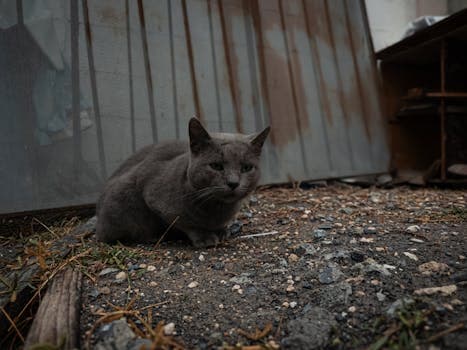
- Supervise outdoor time and consider a secure enclosure for curious cats. Even a two level catio can dramatically reduce wildlife encounters.
- Keep dogs on a leash during walks and in unfenced yards to prevent chasing birds and small mammals.
- Protect vulnerable species like turtles by keeping ponds fenced or providing a gentle ramp to safer, calmer water zones.
Window and Fence Safety: Preventing Unwanted Escapes and Entrances
Wildlife often gets trapped between a pet and the outside world. Simple fixes can save lives and reduce stress for both animals.
- Cover low windows with escape friendly screens or plantings that reduce bird collisions.
- Seal gaps in fences and install wildlife friendly barriers where needed to prevent entrapment or escapes.
- Use plantings to create natural barriers that guide wildlife away from high traffic zones and pets.
Maintenance and Seasonal Care: Keep It Safe Year Round
Seasonal changes bring new risks. Regular maintenance helps you stay ahead of problems.
- Clean bird baths weekly and refresh water daily during hot months. This stops mosquito breeding and keeps birds healthy.
- Inspect shelters and nesting boxes annually for wear, infestations, and sagging floors. Repair as needed.
- Remove toxic plants and check mulch for slivers or mold. Choose pet safe mulch and replace if worn.
Common Hazards in Backyards and How to Avoid Them
Spotting hazards early is key. Here are the most frequent culprits and practical fixes for pet lovers.
- Toxic plants and chemicals: Replace with non toxic alternatives and never mix pesticides with pet friendly lawn care.
- Small gaps and holes: Fill or cover with hardware cloth to prevent curious paws from widening openings.
- Loose trash and compost: Secure bins with lids and store away from pet access to avoid corruption and ingestion risks.
Engage the Family: Making Conservation a Shared Hobby
Conservation works best when everyone buys in. Turn wildlife protection into a family activity rather than a chore.
- Host a weekend yard walk with kids to identify safe plants and wildlife visitors. Make it a learning game.
- Track wildlife sightings and pet behavior with a simple notebook or a family app. Look for patterns you can improve on.
- Create a wildlife diary for seasonal changes and how your yard adapts. This keeps motivation high and results visible.
Measuring Impact: How to Know You Are Making a Difference
Concrete results matter. You can gauge progress even with a small yard and a busy life.
- Record the number of different species visiting over a month. You may also find our guide on can turtles be released into the wild helpful. A growing list is a good sign.
- Observe pet interactions. Fewer territorial chases usually means a calmer space for wildlife.
- Note any accidental wildlife rescues or injuries and adjust your setup to prevent future incidents.
Conclusion: A Safer, More Harmonious Yard
Protecting wildlife in your backyard doesn’t mean sacrificing the joy of pet ownership. With thoughtful design, careful maintenance, and ongoing observation, you can create a safer, more welcoming space for the local ecosystem while keeping your pets happy and secure. Start small, stay consistent, and watch how your yard becomes a thriving habitat for both your pets and the wildlife that share this world with you.