 Home
Home
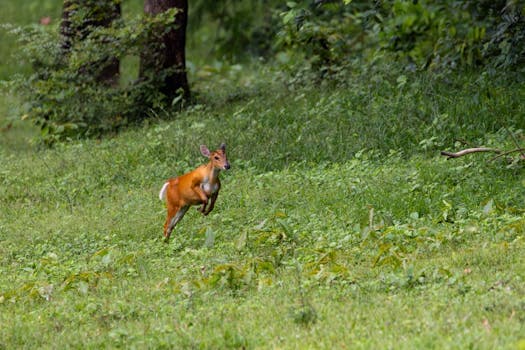
Wildlife-friendly diets aren’t just about what wild animals eat in their natural habitats. They’re also about protecting the energy balance, nutrition, and ecological roles of species that share our homes and yards. Household temptations – snacks dropped outdoors, unsecured compost, pet foods left accessible, and garden temptations – can disrupt these delicate dietary systems. For pet owners who care about local ecosystems, understanding what animals need to eat, and why, is the first step toward prevention.
When we talk about wildlife diets, we’re not merely discussing a menu. We are discussing nutrient timing, food safety, toxin exposure, and competition for resources. A bird that consumes high-fat human foods can develop fatty liver disease; a raccoon that raids a bird feeder may ingest spoiled fruit or spoiled dairy products that harm its gut. The cumulative effect of temptations is a shift in behavior, increased human-wildlife interactions, and greater risk of disease transmission or injury for both wildlife and people.
How Household Temptations Develop
Temptations emerge from everyday routines. Outdoor grills left unattended can attract bears or raccoons, while unsecured trash can invites opportunistic scavengers. Outdoor cats and dogs can drive wildlife away from natural food sources or, worse, encourage animals to forage near human dwellings. Even well-meaning actions – like feeding birds – can unintentionally alter natural diets if the food provided is not appropriate for the species that visit your yard.

To protect wildlife diets, start with an inventory of what is available to animals on your property. Look for fruit fallen from trees, pet food left outside, compost piles, and bird feeders that offer high-fat seeds or unripe fruit. Consider seasonal changes: spring fruit drops, summer berries, autumn nuts, and winter scraps all shape what wildlife eats near human spaces. Knowing what’s present helps you design strategies that reduce temptation while keeping animals safe.
Key Principles for Protecting Wildlife Diets
1) Remove and Secure Temptations
The most effective protection starts with elimination. Store trash in wildlife-proof containers with tight-fitting lids. Move pet food indoors or use elevated, weatherproof feeding stations designed to minimize access for wildlife. Clean up fallen fruit and remove ripe fruit that might attract foragers. If you have unsecured compost, cover it with a wildlife-resistant lid or move it away from living spaces.
Tip: Create a weekly clean-up routine focused on outdoor food sources. A quick Saturday sweep reduces the chance that scavengers will rely on your yard as a food hub. Consider investing in wildlife-proof bins that are difficult for clever mammals to access.
2) Manage Bird and Small Mammal Food Sources Thoughtfully
Bird feeders should be placed high enough to discourage ground foragers and mice, but accessible to birds. Use feeders that require a specific weight to trigger access, and clean feeders regularly to prevent mold and disease. If small mammals like squirrels are a concern, choose seeds that are less attractive to them and supplement with natural food sources that promote healthy diets for birds.
For wildlife that may share your yard, provide native plants that offer safe diurnal food sources. Native berries, seeds, and insects support local species without attracting animals that could become dependent on human-provided food.
3) Rethink Outdoor Water Features
Water is a critical resource, but it can become a magnet for wildlife attracted to easy access. Use water basins that are difficult for larger animals to tip over and clean them regularly to prevent algal blooms and contamination. If you have a pond, install gentle slopes and plant margins that provide safe foraging options for amphibians, insects, and birds, reducing the appeal of dipping into human supplies.
4) Build Fences and Barriers with Wildlife in Mind
Physical barriers can limit access to food sources without isolating your property from the wider ecosystem. A simple fence or lattice can deter larger foragers while still allowing birds, bees, and other small creatures to thrive nearby. Ensure that fencing does not trap wildlife or create hazardous gaps where animals might injure themselves.
5) Educate Family Members and Visitors
Children and guests often unintentionally feed wildlife or leave snacks where animals can reach them. Establish a no-feeding rule within yards and teach family members why certain foods are harmful to local wildlife. Place reminder signs near entrances and in the garden to reinforce safe practices.
Seasonal Strategies to Reduce Temptations
Different times of year bring different temptations. In spring, plants may drop fruit that animals find irresistible. In autumn, acorns, berries, and fallen nuts can draw in a variety of wildlife. Winter may push animals toward human food sources if natural supplies are scarce. Plan seasonal actions: intensify garden cleanups after harvest, adjust bird feeder densities, and review composting methods as the season shifts. A proactive schedule reduces surprises and helps wildlife stay on a natural diet.
Species-Specific Considerations
Not all wildlife has the same dietary needs, and some species are more vulnerable to dietary temptations than others. Here are practical examples and how to respond safely.

- Birds: Offer native seeds and consider platform feeders that minimize ground pecking. Remove moldy seed promptly to prevent disease.
- Small mammals: Keep pet food and bird seed secure; avoid feeding ground-based snacks that encourage nuisance visits.
- Amphibians and reptiles: Avoid leaving garden ponds with exposed fish food. Use native plant options to support insect prey instead of relying on human food scraps.
- Ungulates (where present in rural areas): Discourage access to garden crops and compost piles which may invite damage and ecological imbalance.
Public Health and Ecological Considerations
Protecting wildlife diets isn’t only about animal welfare. It also reduces the risk of zoonotic disease transmission, improves biodiversity in your yard, and lessens conflicts between humans and wildlife. When animals rely on human-provided foods, they may lose natural foraging skills, become habituated to humans, and face higher exposure to toxins. By emphasizing natural diets and clean environments, you help preserve ecological balance while keeping your family safe.
Evidence-Based Practices for Wildlife Diet Protection
Rely on guidelines from wildlife agencies and conservation groups that emphasize non-lethal, prevention-focused strategies. These sources highlight best practices for minimizing human-wildlife conflicts and maintaining healthy diets for native species. Always verify recommendations with local conservation authorities, as species and regional ecosystems vary widely.
For example, some local guidelines advocate removing access to human food and securing containers, while others emphasize native plantings and habitat restoration as long-term solutions. The core message remains consistent: reduce opportunities for wildlife to rely on human foods and maintain natural dietary options wherever possible.
Integrating Technology and Community Efforts
Technology can help you monitor and manage wildlife temptations. Motion-activated cameras can reveal which animals visit your yard and at what times. Smart feeders and weatherproof trash bins provide controlled access to food sources. Community efforts, such as neighborhood cleanups and shared educational programs, amplify impact by reinforcing consistent practices across blocks or neighborhoods.
Collaborate with neighbors to create a wildlife-friendly corridor that prioritizes natural food sources and minimizes human-provided temptations. When multiple households commit to similar standards, the cumulative effect is substantial for local wildlife populations.
Case Studies: Real-Life Scenarios
Consider a suburban block where several homes share a common green space. When residents implement wildlife-proof trash systems, remove fallen fruit, and centralize bird feeding in a single, well-maintained station, the visits from raccoons and feral cats decline markedly. Birds still receive safe, appropriate nutrition, while mammals learn to forage more naturally. In another scenario, a rural property with a neglected compost pile attracts raccoons and foxes. After securing the compost and removing easy food sources, wildlife behaviors return to more typical patterns, and the risk of vehicle strikes or garden damage drops.
A Practical Action Plan for Homeowners
- Inventory all potential food sources on your property, including plantings, compost, trash, and pet foods.
- Secure all food sources with wildlife-proof containers, lids, and barriers.
- Switch to native plantings that provide natural food and shelter without creating dependency on human foods.
- Implement a schedule for yard maintenance, including fruit cleanup and feeder cleaning.
- Educate your household and visitors about safe practices and the importance of wildlife diets.
- Monitor wildlife visits with cameras to understand patterns and adjust strategies accordingly.
How to Talk to Your Vet About Wildlife Diets
Even if you don’t have wildlife as pets, local fauna can be affected by your household practices. If a wild animal shows signs of malnutrition or illness after frequent contact with human foods, consult a local veterinarian or wildlife rehabilitator. They can provide species-specific guidance and help you interpret behavioral changes that may be linked to diet or exposure to toxins.
When to Seek Help: Signs Your Property Needs Immediate Action
Look for patterns of persistent scavenging, repeated visits by the same wildlife, or changes in animal health after exposure to yard foods. If you notice aggressive scavenging that leads to property damage, it may be time to consult wildlife authorities or a licensed wildlife rehabilitator. Don’t attempt to handle wildlife yourself; many species can carry diseases or injure curious pets or people.
Case for Responsible Coexistence
Protecting wildlife diets is an act of responsible coexistence. It aligns with ecological stewardship, reduces human-wildlife conflicts, and supports biodiversity in your local area. By making small, consistent changes – securing food sources, choosing native plants, and educating household members – you can create a safer, healthier environment for wildlife and for your family.
For more on wildlife management strategies, you can explore practical guidance on community wildlife care. These resources emphasize ethical, science-based approaches to interacting with wildlife while keeping diets safe and natural.
Conclusion: A Daily Commitment to Wildlife Diets
Protecting wildlife diets from household temptations isn’t a one-time fix. It’s a daily commitment to secure food sources, minimize attractants, and support natural foraging behavior. By combining practical steps – secure trash, mindful feeding, native plantings, and community effort – you can protect local wildlife diets and reduce conflicts. Your home can be a model for coexistence that respects both human needs and the ecological balance of your neighborhood.






