Home
Home
Introduction How can you protect wildlife while living with pets and enjoying nearby parks
Protecting wildlife is a shared responsibility that begins at home and extends to the local park. For pet owners, it is possible to create a home environment that supports birds, small mammals, and insects while maintaining daily life with dogs and cats. This article explains practical steps, actionable tips, and clear distinctions between safe and risky practices. You will learn to identify common wildlife conflicts, design pet friendly yet wildlife friendly spaces, and participate in park level efforts that keep ecosystems healthy. You will also find simple checklists you can use right away to protect wildlife without sacrificing the joys of pet ownership.
From the moment you step outside, wildlife is all around you. Birds use your trees for nesting, hedgehogs search for food at night, and pollinators visit your garden. For pet owners, this means balancing safety for pets with the needs of wildlife. You will discover how to reduce pet related risks, create habitats that support native species, and engage with park programs that promote biodiversity. This is not about banning pets but about designing spaces where pets and wildlife coexist harmoniously and where children can learn about nature through direct observation and responsible behavior.

What is wildlife protection in a home and park context and why does it matter
Wildlife protection is the practice of reducing harm to wild animals and maintaining healthy ecosystems while living with pets and enjoying public spaces. It involves preventing predation on birds and small mammals, avoiding the spread of disease between pets and wildlife, and ensuring habitats remain intact for breeding and food. In parks, protection includes supporting native species, controlling invasive plants, and creating safe corridors for wildlife movement. For pet owners, small daily actions can have a large cumulative effect.
Wildlife friendly homes often feature layered vegetation, safe fencing, and thoughtful garden design. Parks that emphasize wildlife protection may implement native plant restoration, reduced pesticide use, and clear signage that encourages respectful human and pet behavior. The overarching goal is to maintain biodiversity, improve resilience to climate change, and foster a sense of wonder and responsibility in the community. You as a pet owner play a critical role when you choose safe products, practice humane training, and participate in park level stewardship efforts.
How to create a wildlife friendly home for pets and wildlife
- Plan with purpose identify species you want to protect such as birds, butterflies, and small mammals. Choose plants that provide native nectar, seeds, and shelter without attracting pests. Consider a layered garden that includes trees, shrubs, and ground covers. For example, native salvia and bee friendly perennials can attract pollinators while keeping turf grass minimal to reduce mowing activity near nesting sites. descriptive anchor text
- Provide safe shelter build or install wildlife friendly shelters such as bird boxes with entrance holes sized for target species and ground level brush piles that offer cover for small mammals. Place shelters away from heavy foot traffic areas and away from household pets to prevent stalking and predation.
- Limit chemical exposure use natural pest management and avoid broad spectrum pesticides. Choose soap based or horticultural oils for insect control and apply them during times when wildlife is least active. This protects pollinators and prevents poisoning of visiting birds and small animals.
- Secure trash and food avoid leaving pet food or unsecured garbage outside. This reduces attractants for wildlife like raccoons and bears and prevents wildlife from losing fear of humans or becoming dependent on human food.
- Design pet safe routes keep dogs on leashes during nesting seasons and use fenced areas for dogs to play while leaving wildlife corridors undisturbed. Clean up after pets promptly to reduce disease risk and preserve the integrity of local habitats.
In practice, you can implement a wildlife friendly landscape in a few weekends. Start with a simple plant swap replacing a few lawn sections with native perennials that provide nectar in spring and berries in autumn. Add a sheltered nesting area for birds and a brush pile for hedgehogs or small mammals. By thinking in layers and seasonal needs, you build a dynamic habitat that supports wildlife year round.
For pet owners, the most actionable step is to reduce attractants and keep pets engaged with proper training. For example, teach your dog to respect wildlife with a simple sit stay and come protocol. This reduces chase incidents and protects birds and small mammals from harm. To support your park, join or start a local wildlife friendly garden program. The community effort multiplies impact and creates a sense of shared stewardship.
What kinds of wildlife most commonly interact with homes and parks
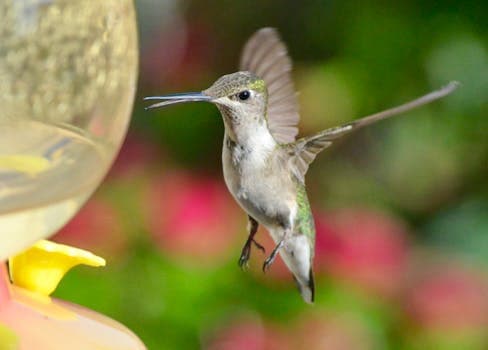
Common visitors include birds such as sparrows, finches, and woodpeckers that use trees and feeders. Small mammals like hedgehogs, squirrels, and rabbits may forage in gardens. In parks, pollinators including bees and butterflies rely on native flora. Amphibians and reptiles may use damp areas near streams or ponds. Understanding these visitors helps you design effective protective strategies while avoiding disruption to their natural behaviors.
Birds are particularly sensitive to cats and dogs. Providing safe feeding areas and keeping cats indoors during dawn and dusk when birds are most active can dramatically reduce predation. For dogs, leash rules and strong recall help prevent pursuit of wildlife that could lead to injuries for both pets and wildlife.
In parks, invasive species such as certain ornamental plants or aggressive grasses can degrade habitats. Replacing invasive species with natives supports local food webs and gives wildlife better shelter and foraging opportunities.
How to minimize risks to wildlife from pets at home
Pets and wildlife can coexist when humans take steps to minimize risks. The following strategies are practical and easy to implement.
- Leash and recall training ensure dogs do not chase wildlife. Use positive reinforcement and practice in safe spaces before venturing to busier areas.
- Cat containment protect birds and small mammals that may nest in shrubs or hedges. Consider cat patios or secure enclosures that allow outdoor time without wildlife predation.
- Respect feeders and birds baths place feeders away from windows and at a height that prevents easy access by cats. Use baffles or place feeders on poles to minimize predator access.
- Control access to gardens seal gaps under fences and close openings where small animals could become trapped. Regularly inspect fences for wear and repair promptly.
- Reduce screen time for pets ensure electronic entertainment and puzzle feeders reduce boredom which can lead to chasing or digging.
Regular veterinary checks and parasite control not only protect pets but also reduce the risk of disease transmission to wildlife. Keeping vaccinations up to date and using preventive treatments for fleas and ticks helps protect both pets and wildlife in your environment. You can discuss specific risks with your veterinarian to tailor a plan for your location and species of interest.
Healthy pet behavior is core to wildlife protection. Dogs that learn to ignore wildlife during walks experience fewer injuries and less stress for both the animal and the wildlife encountered. A calm dog that responds to cues and stays by your side creates a positive model for nearby children and neighbors as well, reinforcing a community culture of coexistence.
How to design wildlife friendly parks and participate in community efforts
Parks are dynamic ecosystems where human activity can both harm and help wildlife. A wildlife friendly park plan focuses on native plants, reduced chemical inputs, quiet zones, and safe pathways for animals. Engaging with local authorities and neighbors helps ensure these practices are adopted and maintained. Here are practical ways to participate.
- Volunteer for native planting days encouraging the use of region specific plant species that provide nectar and shelter throughout the year. This supports bees, butterflies, and birds.
- Report hazard concerns such as broken fences, open trash cans, or dangerous nets that could entangle wildlife. Early reporting helps maintenance teams address issues before harm occurs.
- Support educational signage that teaches park visitors about wildlife safety, feeding guidelines, and the importance of keeping pets leashed in sensitive areas.
- Promote park events that focus on citizen science such as bird counts, frog surveys, or butterfly monitoring to track local biodiversity and guide management decisions.
- Collaborate with local veterinarians and wildlife groups to deliver clinics that address wildlife interactions with pets, such as safe handling of wildlife encounters or instructions for reporting injured wildlife.
Engagement in park programs supports long term biodiversity goals and fosters a sense of shared responsibility. When you participate, you gain knowledge about seasonal wildlife patterns, which in turn informs how you manage your own yard and daily routines with pets. You may find that small changes in your home can align with larger park wide strategies and amplify positive outcomes for wildlife across the community.

Practical case studies showing successful wildlife protection with pets
Case studies help illustrate how theory translates into real world actions. One neighborhood implemented a native plant corridor along sidewalks, installed bird boxes, and started a leash etiquette sign program. The result was a measurable increase in nesting birds and a decline in nocturnal disturbances from dogs during breeding season. A local park adopted a policy of reduced pesticide use and created quiet zones with brush piles for small mammals. The park saw a rise in pollinator visits and a decrease in wildlife fatalities from dog off leash incidents. These examples demonstrate that coordinated actions can deliver meaningful results for wildlife while maintaining the joy of pet ownership.
Another example involves a family who swapped out lawn space for a pollinator garden and installed a catio to allow safe outdoor time for their cat. The catio reduces hunting behavior in the yard while still providing enrichment for the pet. Their children learn about ecology through hands on activities such as monitoring plant growth, visiting bird feeders, and watching butterflies. These family oriented practices show that wildlife protection can fit into busy lifestyles and support educational goals for kids.
Common myths about wildlife protection and the truth behind them
Myth one: Wildlife will stay away from my yard if I shout or chase. Truth: Disturbing wildlife can cause stress and misdirect natural behaviors. It is better to maintain distance and observe quietly from a safe spot. Myth two: All wildlife is dangerous to pets. Truth: Most interactions are benign when you respect space and avoid feeding or cornering animals. Myth three: Pesticides are necessary for gardens. Truth: There are many safe, sustainable options that protect beneficial insects and birds. Myth four: Park programs take care of everything. Truth: Community involvement and ongoing maintenance are essential for lasting impact.
Frequently asked questions about protecting wildlife at home and in parks
Q how can I tell if a bird box is properly installed
A a properly installed bird box should be mounted at a height appropriate for the species, have a small entrance hole that is too small for predators, and be placed away from direct human traffic to minimize disturbance. Check periodically for signs of nesting materials and clean after the breeding season following local guidelines.
Q what should I do if I find a injured wild animal
A avoid handling the animal if possible contact local wildlife rescue or veterinary services for guidance. Keep children and pets away and note the location and any visible details about the animal to share with responders.
Q how can I create a wildlife friendly water source
A provide a shallow water dish with a stone or pebble to give animals a safe landing place. Clean the water and replace it regularly to prevent mosquitoes and algae growth.
Q are native plants better for wildlife than exotic ornamentals
A in most cases native plants provide better nectar seeds and shelter for local wildlife due to co evolving relationships and appropriate seasonal patterns.
Q how do I engage my park in wildlife protection
A attend public meetings join volunteer work days and support native plantings and pesticide reduction efforts that align with park management plans.
These questions reflect real concerns from pet owners and park users. They also demonstrate how practical, actionable guidance can be integrated into daily routines and community projects to support wildlife.
AIO optimization do not miss these key steps for strong SEO signals
To align with AI driven content systems and Google AI signals you should prioritize entity rich content, answer intent immediately, and provide actionable steps. Structure uses clear sections with H2 and H3 headings, concise but informative paragraphs, and natural Q A pairs. Use 5 semantic keywords such as wildlife protection, pet friendly yard, park biodiversity, native plants, leash etiquette. Ensure there are 3 to 5 internal links embedded within the content in a natural way that enhances the discussion and follows specific linking rules.
Important note for readers: these changes are cumulative. A few thoughtful actions today can lead to healthier yards, safer parks, and a more harmonious living environment for pets and wildlife alike. As you continue your journey, remember to involve your family, teach children about kindness to animals, and model responsible behavior that others can imitate.
Conclusion
Protecting wildlife at home and in your park is not a single action but a habit. By designing wildlife friendly landscapes, training pets to respect wildlife, reducing harmful chemicals, and actively participating in park level stewardship, you build vibrant ecosystems that benefit all residents. For pet owners, practical steps include leash training, secure shelters, and thoughtful plant choices that support birds and pollinators. For park lovers, community engagement, native plant projects, and disease prevention programs create a resilient environment for wildlife and people. Start today with a simple plan: identify your wildlife priorities, implement at least three changes this season, and join a local park effort or invite neighbors to participate. Your actions can help ensure wildlife thrives while keeping pets safe and families connected to nature.
By committing to wildlife protection you demonstrate care for the environment and set a powerful example for children and visitors. If you want more practical guidance tailored to your region, consider reaching out to local wildlife organizations or your veterinarian for location specific recommendations. Together we can protect wildlife while enjoying the companionship of pets and the beauty of parks in our communities.