Home
Home
Introduction
Pet owners often worry about the impact of everyday living on local wildlife. Protecting wildlife at home and beyond is not only an environmental obligation but a practical component of responsible pet ownership. This article explains what protection means, how to reduce risks, and how to create a safer environment for both pets and animals in your surroundings. You will find actionable steps you can implement today to minimize harm and support local conservation efforts.
Protecting wildlife is about understanding the needs of various species and aligning daily routines with humane practices. By adopting simple strategies, you can lessen stress on birds, small mammals, amphibians, and pollinators that share spaces with our households. The goal is a balanced approach where pets enjoy safe companionship while wild neighbors thrive in their natural habitats.

What constitutes wildlife protection for pet owners
Wildlife protection for pet owners means reducing harm, avoiding dangerous interactions, and supporting ecosystems. It is not about restricting pet movement or preventing enrichment, but about designing living spaces that minimize risks. In practice, this involves securing yards, managing feeding habits responsibly, and choosing products that do not harm non target species. Implementation also includes observing and learning from local wildlife patterns to avoid seasonal stress periods like breeding times or migrations.
Why pets and wildlife often share spaces
Pets and wildlife frequently share neighborhoods because ecosystems within human dominated landscapes still provide essential resources. Birds use trees and shrubs for nesting, small mammals forage in hedges, and insects pollinate garden plants. When pet owners create safe zones and respectful boundaries, both pets and wild neighbors benefit. This mutual coexistence can improve biodiversity, reduce pest issues, and increase opportunities for enrichment for pets that can safely observe nature from a distance.
Practical steps to protect wildlife at home
Begin with a clear assessment of your property. Look for gaps in fencing, access points for wildlife, and potential hazards for curious pets. A proactive plan reduces injuries, prevents wildlife from becoming prey of domestic animals, and lowers the chance of disease transmission. The following steps are designed to be simple to implement and highly effective in real world setting.
- Assess and secure outdoor spaces Prepare a map of your yard noting where birds nest, where small mammals travel, and where cats or dogs roam freely. You may also find our guide on how to cut dog hair helpful. Install wildlife friendly fencing that excludes larger predators while allowing safe passage for smaller species. Use underground mesh barriers around gardens or compost piles to deter tunneling pests and prevent entrapment. Regularly inspect and repair any gaps to ensure continuous protection.
- Install safe feeding and watering practices If you feed birds or other wildlife, place feeders away from the home where pets cannot reach easily. Clean food and water dishes frequently to prevent disease transmission. Avoid offering foods that are unsafe for other species and never leave accessible food that can attract predators or vermin into pet zones.
- Create wildlife friendly gardens Plant native species that provide shelter and food for local wildlife. Include a mix of dense shrubs for cover, flowering plants for nectar, and ground cover for small mammals. Avoid pesticides and use natural pest management techniques to protect pollinators and avoid chemical exposure for pets.
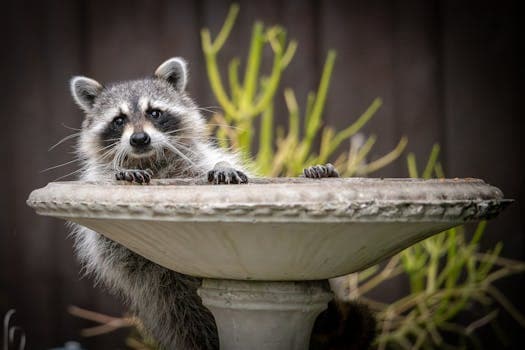
- Manage water features Ponds, fountains, and birdbaths can attract wildlife but also pose drowning or entanglement risks for pets. Install safe barriers, keep risky edges tidy, and use shallow rims for easy exit. Regularly skim debris to prevent buildup that could harbor pests.
- Control nocturnal hazards Many wildlife species are most active after dusk. Ensure outdoor lighting is wildlife friendly by using warm, shielded lights that reduce glare and avoid light pollution. Curfew outdoor activity for pets during peak wildlife activity hours to minimize disturbance.
- Practice humane pest management If pests appear, choose non lethal methods first. Use humane traps and consult local wildlife agencies if you suspect native species are in distress. This reduces risk to both pets and wildlife and fosters a cooperative approach to coexistence.
- Vaccination and veterinary care Keep pets healthy and vaccinated to prevent disease transmission to wildlife. Regular veterinary checkups help catch illnesses early and reduce the chance of interactions that could be harmful to wildlife in your area.
These steps form a practical framework that you can tailor to your climate, yard size, and pet types. The emphasis is on creating safe boundaries, supporting local biodiversity, and maintaining a respectful relationship with wildlife that visits your space.
Pet friendly yard design tips that protect wildlife
A well designed yard offers enrichment for pets while reducing risks to wildlife. Consider the following design principles and tailor them to your home environment. These tips help you keep your dog or cat engaged without endangering birds, hedgehogs, squirrels, or other neighborhood species.
- Barrier placement Erect borders that prevent pets from entering bird nesting zones during vulnerable periods. Use fencing with narrow gaps or terrain barriers that deter climbs without isolating your yard. This helps birds raise their young without fear of predation by your pets.
- Safe observation zones Create a pet friendly but wildlife friendly zone where animals can observe from a distance. A window perch or sheltered patio area gives your cat a view without chasing birds. This reduces stress for both parties and encourages calm behavior.
- Clutter and shelter management Keep potential wildlife shelters like dense shrubbery secure and free from pet interference. If you have rabbit houses or hedgehog refuges nearby, ensure pets cannot access them at any time. Regular checks help ensure safety and prevent accidental harm.
- Water safety Provide clean water sources for wildlife away from pet drinking stations. Elevate birdbaths and ensure watering points are difficult for pets to access but easy for birds to use. This separation reduces competition and disease risk.
How to interact with wildlife responsibly when you have pets
Interaction guidelines reduce risk while allowing natural curiosity to thrive. You should observe wildlife from a distance, avoid chasing, and never attempt to handle wild animals. If a wild animal seems distressed or enters your home, contact local wildlife rescue or animal control for professional assistance. Consistent rules for all household members help maintain safety across generations and make training easier.
Training pets for safe and respectful wildlife interaction is essential. For example, teaching a dog to stop when a bird is spotted helps prevent pursuit, while training a cat to stay indoors during dawn and dusk protects birds and small mammals. Positive reinforcement techniques work well, building trust and predictable behavior in pets during outdoor exploration.
Case studies and practical examples
Consider these real world examples that illustrate the benefits of wildlife friendly practices. Each scenario demonstrates how simple changes can reduce risks and create a harmonious environment for pets and wildlife alike.
Example one involves a garden with singing birds and a curious cat. By installing a high quality cat enclosure that allows the cat to see and interact with nature from a safe zone, the household maintains pet satisfaction while avoiding bird disruption. The enclosure can be outfitted with perches and toys to keep the cat entertained, reducing the urge to chase birds.
Example two focuses on a family with a yard prone to fox visits. By securing food sources and installing deterrents that do not harm wildlife, the family reduces fox attractants while ensuring pets remain safe outdoors. This approach preserves the broader ecosystem and demonstrates how responsible pet ownership can align with conservation goals.
Common hazards to wildlife and how to avoid them
Accidents involving pets and wildlife are often preventable with careful planning. This section highlights hazards such as entanglement, ingestion of harmful substances, and predation. It also provides practical solutions to minimize these risks while maintaining pet enjoyment of outdoor spaces.

- Entanglement danger Keep garden nets and fencing secure and free of loose loops that could trap a passing animal or a curious pet. You may also find our guide on do female cats spray helpful. Regularly inspect for wear and replace damaged sections to ensure safety.
- Chemical exposure Use pet friendly and wildlife friendly products in gardens. Avoid pesticides and herbicides that can harm birds, hedgehogs, and pollinators. Opt for organic and natural pest management methods whenever possible.
- Water and food lure Do not leave food out overnight or in areas easily accessed by wild animals. Clean bowls daily and store pet food securely to avoid attracting wildlife that could become aggressive or dependent on human sources.
What to do if you encounter wildlife during outdoor activities
Encountering wildlife is common during outdoor excursions with pets. The key is to react calmly and minimize disturbance. Do not attempt to handle, feed, or corner wild animals. In many cases, simply giving wildlife space and returning indoors is the safest option. If an animal appears injured or disoriented, contact local wildlife authorities or a rescue service for professional guidance.
For pet owners, practicing patience and restraint helps preserve the welfare of wild animals and reduces the risk of injury to pets. If you live near protected habitats or in regions with sensitive species, follow local guidelines for wildlife viewing and avoid activities that could disrupt breeding seasons or habitat use.
How to educate family members and children about wildlife protection
Education is a cornerstone of long term wildlife protection. Teach children why it is important to keep a respectful distance from wildlife, how to observe birds and other animals without interference, and how to identify potential dangers. Simple lessons such as not feeding wild animals, respecting nesting sites, and reporting distressed wildlife help instill responsible behavior that lasts a lifetime.
Integrating wildlife protection into daily routines
Wildlife protection should blend into everyday routines rather than feel like a burden. Start with small changes such as adjusting feeding times, securing outdoor spaces, and choosing pet products that are wildlife friendly. Regularly review your practices to find new opportunities for improvement. For many households, incremental steps accumulate into substantial positive impacts over time.
Conclusion
Protecting wildlife at home and beyond is a practical responsibility that enhances both pet welfare and ecosystem health. By securing outdoor spaces, creating wildlife friendly gardens, and practicing humane interaction, pet owners contribute to a healthier environment for all species living in proximity. Start with a simple assessment of your yard, implement two or three of the recommended steps, and observe how your pets and local wildlife respond. Your actions can inspire neighbors and support broader conservation goals.
If you found these ideas valuable, consider expanding the discussion with your community group or local wildlife rescue. Small changes in one home can ripple into meaningful outcomes for wildlife across neighborhoods.
Frequently asked questions
Why should pet owners protect wildlife in the neighborhood Protecting wildlife helps sustain local biodiversity, supports pollination for gardens, and reduces disease risk by keeping wildlife and pets at safe distances. It also creates a healthier and more harmonious living environment for your family and the animals that share your space.
What is a safe way to feed wildlife without attracting pests Use designated feeding areas away from pet zones, clean feeders regularly, and avoid leaving uneaten food out overnight. This reduces pest problems and helps wildlife access nutrition without conflicts with pets.
How can I train my dog to avoid pursuing wildlife Use positive reinforcement and clear cues such as sit, stay, and leave it. Practice in a fenced area and gradually increase exposure with a protected leash to reinforce calm behavior and safety for both animals and pets.
Are there easy native plants that support wildlife in small yards Yes, native shrubs, flowering perennials, and ground cover can provide food and shelter. Choose species that bloom at different times to provide a steady supply of nectar and seeds for local birds and insects.
What should I do if I find wildlife injured near my home Do not handle the animal. Contact your local wildlife rescue or animal control for guidance. They can provide safe transport and professional care for the animal.
Can I keep wild plants in my garden without harming pets Yes, but be mindful of toxic species and choose non toxic options for pets. Avoid inviting toxic plants into play areas and ensure children and pets do not ingest unknown flora.
How can I measure the impact of my wildlife protection efforts Track species visits, monitor bird nesting success, and note any changes in pet behavior during outdoor time. A simple garden diary can help you see trends and adjust practices as needed.