Home
Home
Introduction
As a pet owner you want the best for your companions and the wild neighbors that share your neighborhood. Protecting wildlife at home means reducing risks for birds, small mammals, and insects while keeping your pets safe and happy. This article explains practical actions you can take right away to create a safer outdoor space, minimize wildlife conflicts, and support local ecosystems. You will find clear steps you can implement today, along with real world examples you can adapt to your home environment.
Protecting wildlife at home is both a responsibility and an opportunity. By making small changes in how you manage yards, gardens, and indoor spaces, you can reduce injury to wildlife, prevent disease spread, and promote harmony between your pets and the natural world. In this guide you will see definitions of key terms, actionable steps, and thoughtful considerations that work for dogs, cats, and other household animals.

What does wildlife protection at home mean and why is it important
Wildlife protection at home means taking measures to minimize harm to local animals while ensuring your pets remain safe and enrichment is preserved. It includes reducing exposure to toxins, preventing attacks on wildlife, and creating habitats that animals can use without risking pets. Actions include securing gardens from pests without harming beneficial species, keeping pets indoors or supervised during peak wildlife activity, and providing safe food and water sources that do not attract dangerous animals.
For many households, protecting wildlife is a daily practice that blends humane treatment, science based choices, and common sense. It is not about blocking nature but about guiding interactions in ways that are safe for both pets and wildlife. When you understand the needs of wildlife and the natural behaviors of your pets you can design spaces that minimize conflicts and maximize safety.
How to create a wildlife friendly outdoors while keeping pets safe
There are concrete steps you can take in your yard or balcony to support wildlife while protecting your furry family. Start by assessing the space you have and the habits of your pets. Then implement adjustments that deter risky encounters and encourage safe exploration for wildlife.
Step 1 assess risk zones in your outdoor area. Look for places where pets may chase birds or small mammals, such as open lawns, bird feeders, or garden beds near hedges. Identify hazards like exposed compost piles, open trash, or toxic plants. By mapping risk zones you can place barriers and modify layouts to reduce temptations for chasing or scavenging. For example, install a pet friendly fence around the garden and move bird feeders to a height that is reachable by birds but less accessible for dogs or cats.
how to clean a dog wound shows why timely supervision and quick response to injuries matters when pets interact with wildlife, as wounds from bites or scratches can lead to infections that affect both animals.
Step 2 create safe wildlife corridors within the yard. Plant native species in clusters to provide food and shelter while avoiding dense brush that hides hazards. Use low ground cover away from high traffic zones and maintain open sightlines so your pets can see wildlife and stop before an encounter escalates. When possible, provide a small brush free buffer area along fences to give wildlife a quick escape route if startled by a pet.
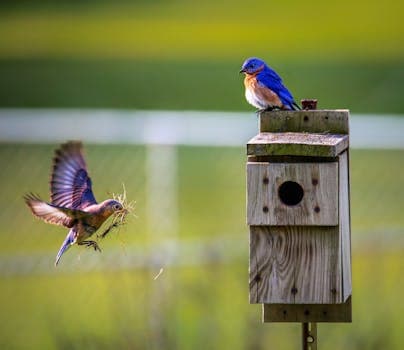
Birds benefit from safe feeding areas that are out of reach of cats. A simple approach is to hang feeders from sturdy poles or branches that cats cannot jump to, and place feeders at a distance from windows so birds avoid window strikes. If you have rabbits or small mammals nearby, keep dogs on a leash during outdoor time when wildlife is active, particularly at dawn and dusk when many species forage. For a practical guide on keeping pets hydrated which reduces wandering and stress during outdoor time, see how to get my dog to drink water.
Step 3 manage food sources responsibly. Do not leave pet food outdoors overnight as it can attract wildlife and create conflicts. Store food securely indoors and use sealed containers. If you bake or grill, bring leftovers indoors promptly and clean up crumbs after meals. This reduces scavenging by raccoons, skunks, and other wildlife that could end up in conflicts with pets.
When considering plant choices, be mindful of toxic species for pets and wildlife. For example, some common garden plants such as certain varieties of lilies can be harmful to cats, so choosing safe alternatives supports both animal safety and landscape aesthetics. For more details on plant safety see resources about pet friendly gardening practices within your region.
Step 4 build safe enclosures for small wildlife and secure pet access. If you have a yard that hosts rabbits, hedgehogs, or squirrels, consider dedicated enclosures that permit wildlife to pass through temporarily without entering areas where pets roam freely. Use fencing that pets cannot easily climb and ensure gates are closed when not in active use. This approach preserves wildlife movement while safeguarding your pets from unexpected encounters.
Step 5 establish a routine for yard time that prioritizes wildlife safety. Set specific times when pets are outdoors under supervision and create play routines that distract pets away from potential wildlife hotspots. Use interactive toys and puzzle feeders to keep pets busy so they do not chase birds or small mammals out of curiosity or boredom.
Step 6 manage waste and compost responsibly. Compost piles should be kept in sealed bins with secure latches to prevent animals from digging in and becoming exposed to potential pathogens. Do not compost meat scraps as they attract scavengers and may create health hazards for wildlife and pets alike.
What about cats and dogs specifically
Cats and dogs are natural predators and may instinctively chase wildlife. Managing their instincts in relation to wildlife is essential for safety. For dogs, early training and close supervision can prevent chasing and protect birds and small mammals from harm. Cats may roam and hunt; keeping cats indoors during peak wildlife activity hours or providing supervised outdoor time in a secure enclosure can reduce risks for both wildlife and the cat itself.
To support a cat that enjoys the outdoors, you can provide a catio or safe outdoor enclosure that mimics outdoor exploration without exposing wildlife to predation. For dogs, a combination of leashed outdoor time and fenced play areas can minimize encounters with wildlife while preserving exercise and mental stimulation. If you have questions about common cat behaviors, consider reviewing do female cats spray for related behavioral insights that influence outdoor activity and safety.
In addition to behavioral adjustments, ensure vaccination and parasite control are up to date. A well cared for pet is less likely to displace wildlife due to illness or weakened condition. For guidance on keeping pets healthy, you may consult resources like how to clean a dog wound if minor injuries occur during outdoor excursions.

Practical tools and products that help protect wildlife
Choosing the right tools helps you implement wildlife friendly practices without sacrificing pet safety. A few practical items include secure pet doors, motion sensing lights, wildlife friendly fencing, and raised feeding stations. Each item has a purpose. For example, motion sensing lights deter nocturnal wildlife from approaching yards while not disturbing pets during daytime activity. A well designed fence reinforces boundaries and makes it harder for pets to chase wildlife across property lines.
When selecting plant types, consider native species that support local pollinators and provide safe shelter. Native grasses and wildflowers can attract beneficial insects and birds while offering hedgerows for nesting. If you are curious about safe plant choices in your region, a local gardening guide or extension service can provide tailored recommendations that align with wildlife protection goals. For a general overview of pet safety with garden plants see articles like are petunias poisonous to dogs to help steer decisions about plant selections and pet safety considerations.
Another practical tool is a humane wildlife deterrent. Effective deterrents focus on preventing harmful interactions without harming animals. For example, citronella or ultrasonic deterrents may deter certain species from yards while remaining non harmful to pets. Always test new deterrents in a small area to observe how pets respond and to ensure there are no allergic or adverse reactions.
How to handle encounters with wildlife
Wildlife encounters can be exciting but require calm, humane management. If a wild animal is inside your garden, avoid direct contact and keep your pet indoors. Do not attempt to handle or feed wildlife as this can be dangerous for both parties. Instead provide a safe exit route for the wildlife, close doors to limit access to indoor spaces, and give the animal time to leave on its own. If a wild animal appears injured, contact a local wildlife rescue organization for professional assistance rather than attempting to care for it yourself.
If a pet is pursuing wildlife, interrupt the chase using a firm command such as stop or leave it and reward the pet when it disengages. Consistent training is key to reducing future incidents. For training basics that support safe interactions with wildlife, you may reference how to help my dog lose weight which includes exercise routines and behavior management strategies that reduce chasing behaviors and improve focus during outdoor time.
Common questions about wildlife safety for pet owners
Below are frequently asked questions that many owners have when implementing wildlife protection measures at home. Each answer is designed to be actionable and easy to apply in a typical household setting.
Question 1 How can I protect birds from cat predation in my yard? A: Use cat proof bird friendly features like tall feeders mounted on poles with baffles, plant dense hedges that provide cover for birds but do not trap cats, and ensure outdoor time is supervised or kept in cat enclosures during peak bird activity times. For additional guidance on pet care and safety around birds see relevant health and safety resources.
Question 2 What should I do if my dog catches a scent and runs toward wildlife? A: Calmly call your dog back with a reliable command, use a long line for controlled access, and practice recall training. If the dog continues to chase, bring them indoors and reassess the outdoor routine to reduce the stimulus that triggers chasing.
Question 3 Are there plants that attract wildlife without risking pets? A: Yes, there are native nectar plants and shrubs that provide for wildlife while being safe for most pets when consumed in small amounts. Always verify plant safety for your specific pet species and consult a local garden guide for region specific advice.
FAQ and practical takeaways that reinforce safe behavior
In this section you will find concise, repeatable steps you can implement this weekend. The focus is on practical, actionable depth that supports both pet safety and wildlife protection.
Takeaway 1: Start by mapping risk zones in your yard and identify potential wildlife corridors. Establish boundaries and move bird feeders to safer locations. Establish a routine that keeps pets engaged and supervised during outdoor time. For more on practical pet care routines, review how to get my dog to drink water which includes daily hydration strategies that help keep pets calm outside.
Takeaway 2: Use safe deterrents and humane barriers to discourage wildlife from entering areas where pets roam. Ensure any deterrents are pet safe and tested in a small area before broad use. If you see repeated wildlife activity near feeding stations, adjust placement to reduce conflicts with pets and maintain a balanced ecosystem in your yard.
Takeaway 3: Regularly inspect fencing and enclosures for gaps or wear that could allow pets to escape or wildlife to enter. Repair any issues promptly and maintain gate closures. This reduces the risk of pets chasing wildlife into dangerous situations or traffic. For a broader look at garden safety, you can consult pet safety resources within your community.
Conclusion and call to action
Protecting wildlife at home is an ongoing practice that blends humane care, practical design, and consistent training. By creating a safe outdoor space, managing food and waste responsibly, and supervising pet activity during peak wildlife hours, you protect local species and reduce risks to your pets. Remember to tailor these steps to your climate, yard size, and the specific wildlife species in your area. Start with one or two changes this week and build a sustainable wildlife friendly plan for your home. If you want to continue learning about pet health and safety, consider exploring additional resources on pet wellness and care to deepen your understanding of how to maintain a harmonious home environment for both pets and wildlife.