Home
Home
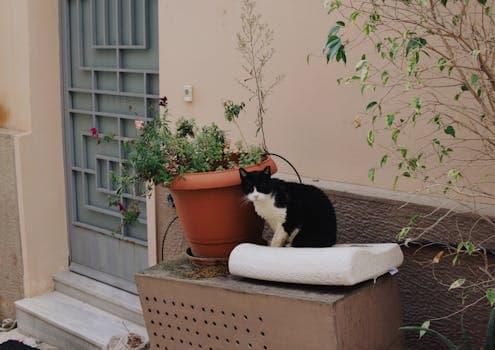
Why urban yards matter for wild cats
Urban yards are more than just extensions of a home landscape. They act as small ecosystems where wild cats, including feral and stray populations as well as occasionally unaffiliated wildlife, explore for shelter, prey, and water. For pet owners who want to share their spaces with wildlife while keeping their domestic cats safe, understanding these microhabitats matters. Small changes can reduce risks to cats and support local predators and prey that maintain ecological balance.
The presence of wild cats in urban yards reflects a broader urban ecology where natural and built environments collide. Fences, hedges, and height differences create corridors that allow cats to move between yards with minimal exposure to cars and crowded streets. By recognizing these patterns, you can design spaces that deter dangerous encounters while encouraging safe, wildlife-friendly behavior. A thoughtful approach helps protect both your cat and the neighborhood’s wildlife neighbors.

When we talk about protecting wild cats in urban yards, we’re balancing two priorities: the well-being of domestic pets and the safety of wild or semi-wild feline visitors. The goal is not to exclude wildlife, but to create yard features that reduce conflicts, lower injury risk, and support healthy ecosystems right outside your door. This balance requires practical actions that fit real-life routines and budgets.
What kinds of wild cats visit urban yards?
Urban neighborhoods see a mix of cats, from neighborhood strays and feral colonies to semi-tame individuals that rely on human caretakers. Some cats roam with the intent to hunt small prey, while others search for shelter from weather or predators. Your yard can become a reliable refuge if you provide safe, cat-friendly spaces that discourage risky behavior in encounters with wildlife or vehicles.
Understanding cat behavior helps you predict when and why a cat might choose your yard. Cats are opportunistic: they plan routes that maximize safety and minimize effort. They often use tall shrubs for hiding, sunny patches for lounging, and quiet corners for resting after short hunts. By recognizing these patterns, you can tailor yard features to encourage peaceful cohabitation with wildlife and pets alike.
Several factors influence who visits your yard: the density of urban wildlife nearby, the presence of food sources, and the degree of human activity. A calm, well-maintained space tends to attract fewer conflicts and can invite wildlife to use safer routes around your property rather than near the busy zones of your home. The key is predictable routines and consistent boundaries that keep both cats and wildlife comfortable.
Risks to cats in urban yards
Even well-meaning outdoor cats face a gamut of hazards in city landscapes. Cars, stray dogs, loud noises, and crowded walkways all contribute to stress and injury. But there are also subtler risks, like exposure to toxins, toxic plants, and unfamiliar wildlife that may carry diseases. Being aware of these risks helps you implement protective measures without depriving your cat of fresh air and enrichment.
One major risk is predation or injury from other wildlife. While many urban predators keep a healthy balance, encounters with larger animals or defensive measures from skittish wildlife can leave your cat hurt. A safe yard design reduces the likelihood of confrontations, giving your cat chances to observe without becoming involved in dangerous altercations. Creating clear escape routes and safe hiding places can be a lifesaver in high-traffic urban areas.
Another concern is the risk of disease. Outdoor cats mingle with other felines and wildlife whose disease status is unknown. Vaccinations, parasite control, and routine veterinary care are essential, but a well-structured yard can also minimize exposure by limiting close contact with unfamiliar animals. Keeping food secure and minimizing attractants helps reduce unwanted wildlife traffic into your yard, which in turn lowers disease risks for your cat.
Traffic is a hidden danger in urban yards. Cats may chase prey near roadways or attempt jumps across driveways that are too wide. Even a well-trained cat can miscalculate a jump or dash into traffic if startled. Fencing, hedges, and designated safe zones inside the yard serve as buffers that separate the domestic cat from the most dangerous edges of the street, making excursions safer and more predictable.
Plants can be both allies and hazards. Some ornamental and garden plants are toxic to cats if ingested. Others are perfectly safe and can offer enrichment through scent and texture. Knowing which plants to plant or avoid is part of protecting your cat. It also helps reduce accidental poisonings from nibbling on unfamiliar greenery. If you’re unsure, consult a local veterinary toxicology guide and choose cat-safe varieties for your yard.
Conservation-minded yard practices that protect both cats and wildlife
Creating an urban yard that supports wildlife while keeping cats safe begins with simple habitat design. You’re building a space that provides shelter, water, and enrichment without attracting hazards. The aim is to create a boundary that is predictable for your cat and inviting for local wildlife that poses little risk to pets.
Start with shelter options that give cats safe resting spots away from predators and harsh weather. Raised platforms, enclosed cat cabins, and dense shrubbery can offer a retreat during naps or during the hottest parts of the day. These features also double as microhabitats for smaller wildlife like hedgehogs or birds that want to observe from a distance. The more options you provide, the less likely your cat will focus on potentially dangerous forays into neighboring yards or street spaces.
Water sources are another critical element. A shallow, clean water dish placed in a shaded corner encourages cats to drink on-site rather than wander toward street corners or neighborly gardens. You can also design a rainwater collection basin with a shallow lip that’s safe for curious visitors but too narrow for larger predators. Hydration is essential, especially for cats that spend long periods outdoors in warm weather.
Shade and temperature regulation are vital as well. A mix of sun and shade means your cat can choose comfort levels and stay cool during heat waves. Dense plantings can provide microclimates and hidden escape routes. This balance helps your cat stay in the yard longer without becoming stressed or overheated, while still giving wildlife opportunities to pass through without feeling trapped or cornered by a curious pet.
Smart fencing can deter escape attempts yet remain wildlife-friendly. Consider using smaller gaps or angled extensions that prevent climbing but don’t trap curious critters. A combination of solid fencing and permeable barriers can slow down a cat’s approach to the boundary while guiding local wildlife to safe passages around the property. The goal is to minimize risky interactions and maximize safe, peaceful exploration for all yard visitors.
Enrichment inside the yard reduces boredom and the urge to roam. Puzzle feeders, scent trails, and supervised play sessions can satisfy natural hunting drives in a controlled way. When cats have outlets for energy and curiosity, they’re less likely to chase birds or small mammals, or to wander into the street. Regular play and training sessions reinforce boundaries and routines that keep both pets and wildlife safer.
Designing a wildlife-friendly yard that reduces conflicts
Conflict reduction starts with predictable routines. Feeding areas, playtimes, and supervised outdoor time should follow a consistent schedule. Predictability lowers stress for your cat and reduces the likelihood of surprise encounters with wildlife or neighborhood dogs. It also makes it easier to implement changes that benefit both pets and local animals.
Use layered plantings to create physical barriers that are not opaque to wildlife. A board fence with a climb-resistant exterior may deter a curious cat from trying new routes through neighboring yards while still allowing hedgehogs or lizards to traverse. Layered plantings, shrubs, and ground cover provide hiding spots for wildlife and limit direct line-of-sight from the cat. This approach supports a more balanced urban ecosystem where multiple species can coexist with fewer conflicts.
Water features, even small ones, attract birds, amphibians, and insects. While you want to invite wildlife, you don’t want to swell competition for your cat’s attention. Separate zones for water and play, with visual barriers that prevent direct predatory interactions, help reduce stress. Think of the yard as a network of microhabitats that cater to different species at different times of day. A well-planned design invites observation rather than pursuit or confrontation.
Lighting is another practical consideration. Gentle, amber lighting along paths reduces sudden reflections and shadows that can startle both cats and wildlife. Low-intensity, motion-activated lighting can deter nighttime wildlife from entering your yard while still allowing you to monitor your cat’s movements. The right lighting reduces accidents, increases safety, and supports responsible outdoor time for your cat.
To minimize unattractive attractants, store pet food indoors and avoid leaving food scraps outdoors. Clean up birdseed remnants and keep compost sealed. By removing or reducing these temptations, you limit visits from wildlife that might otherwise escalate conflicts with your cat or cause resource competition. A tidy yard signals to wildlife that your space is a non-resource-rich zone that is safe but not overly enticing.
If you have a cat-friendly garden, be mindful of potential hazards such as netting, string, and loose fencing. Loose cables and dangling cords can tempt a curious cat to investigate, possibly leading to strangulation or entanglement. Secure all loose materials and ensure that gates and entry points are robust. A well-kept yard reduces both injury risk and the probability of wildlife encounters that could turn dangerous for any resident animal.

Preventing conflicts with wildlife while supporting local predators
Conflict management isn’t about eradicating wildlife; it’s about coexistence. On one hand, you want to prevent your cat from chasing birds, mammals, or reptiles that could be injured or stressed. On the other hand, you want to preserve the ecological roles these animals play in your neighborhood. A practical approach is to create safe corridors and observation posts that keep cats engaged indoors or within a designated outdoor space, while still permitting wildlife to move through your yard without feeling cornered.
Training and enrichment are central to reducing risk. Short outdoor sessions under supervision give your cat access to fresh air and scent without the fear or excitement of bolting toward wildlife. Provide enrichment within the yard, such as elevated perches, scent trails, and interactive toys. When cats have meaningful outlets, they’re less likely to roam in search of excitement elsewhere, which reduces potential conflicts with wildlife and people alike.
“Tactile enrichment” matters too. Use textured mats, grass-like turf, and varied terrain that invites exploration without encouraging pursuit of fast-moving prey. When a cat enjoys the touch and feel of safe, in-place play, the impulse to chase outside the yard drops, protecting birds and small mammals that might otherwise be vulnerable in urban zones. This approach respects the needs of both pets and wildlife in a shared space.
Legal and ethical considerations
Regulations around outdoor cats vary by city and region. Some places encourage indoor-only stances to protect wildlife populations, while others support supervised outdoor time with safety measures in place. Understanding local ordinances helps you design a yard that complies with rules while still offering enrichment for your cat. Ethical considerations include responsible ownership, humane treatment of wildlife, and efforts to minimize stress and harm to both pets and urban wildlife.
Beyond legalities, there’s an ethical dimension to how we manage outdoor cats in urban spaces. Our choices influence not just individual animals but the broader community of wildlife that share our neighborhoods. Ethical yard design respects the intrinsic value of all animals, emphasizes safety over risk, and prioritizes humane approaches to prevent suffering. This mindset guides practical decisions about fencing, supervision, and enrichment strategies that support a healthy urban ecosystem.
Building a wildlife-friendly routine around pet care
Establish a daily routine that integrates outdoor time with indoor safety. A predictable schedule helps your cat adjust to the yard environment and reduces the likelihood of dangerous explorations. Pair outdoor time with indoor enrichment for a balanced approach that respects wildlife and keeps your cat happy and exercised.
Regular veterinary care underpins everything. Vaccinations, parasite control, and microchipping are essential for outdoor-tested cats. Talk to your vet about vaccines that protect against diseases commonly spread by wildlife and cats living in close contact with neighbors. A healthy cat is less susceptible to illnesses acquired during outdoor adventures and less likely to become a vector for diseases into your home environment.
Monitoring is part of responsible outdoor cat care. Use a simple plan to observe yard activity and adjust features accordingly. If you notice frequent wildlife drama or escalating risks, reevaluate your yard design and supervision schedule. Small adjustments can yield big gains in safety and wellbeing for both cats and urban wildlife neighbors.
Communication with neighbors matters as well. Open conversations about yard boundaries and wildlife-friendly practices help minimize conflicts. When neighbors understand your approach, they’re more likely to share tips and collaborate on safe, shared spaces. A community-minded strategy improves coexistence for all creatures and reduces tensions in densely populated areas.
Case studies: real-life scenarios
Case Study A: A family in an urban neighborhood noticed frequent bird predation by their outdoor cat. They implemented a layered fence, added elevated perches inside the yard, and scheduled supervised outdoor sessions in the early morning. Over a few weeks, the cat showed less pursuit behavior, birds returned to the yard, and neighbors reported calmer wildlife activity. The cat still enjoyed fresh air and enrichment, but with increased safety and reduced risk to local wildlife.
Case Study B: A feral cat colony living near a busy street faced injuries from traffic and frequent close encounters with dogs. The household adopted a colony management approach with feeding stations secured away from street edges, shelter boxes placed under dense shrubbery, and a policy of seeking veterinary care for sick or injured animals when feasible. Over time, the colony’s health improved, and the humans in the area reported fewer incidents along the fence lines. This approach demonstrates how humane management can reduce harm while supporting urban wildlife in meaningful ways.
What to do if you find a wild cat in your yard
Encountering a wild cat in your yard can be unsettling. First, assess safety for humans and pets. Do not attempt to handle an unfamiliar, anxious animal. If the cat is approachable, speak softly and give it space to retreat. Most wild cats will avoid contact with humans if they have a safe exit route.
Next, consider local resources. Many cities have wildlife rehabilitators or animal control programs that can provide guidance on humane handling and welfare. If you suspect an injured or ill animal, contact the appropriate authorities rather than trying to intervene yourself. Your local veterinary clinic can often provide referrals to reputable wildlife professionals for advice and assistance.
Documentation can help communities make better decisions. Note the animal’s age, health status, and behavior. Take note of patterns—when the animal visits, what areas it frequents, and whether it displays signs of distress. Sharing this information with local wildlife groups or animal services can support broader conservation efforts and improved care for wild cats in urban environments.
Simple, practical steps you can take today
- Install escape routes and observation points inside the yard, ensuring cats can retreat from curious wildlife or sudden threats.
- Create a dedicated, supervised outdoor time window each day to satisfy curiosity while minimizing risk.
- Choose cat-safe plants and remove toxic varieties from the yard to reduce ingestion hazards.
- Secure trash, compost, and food sources to discourage attracting other wildlife that could lead to conflicts.
- Provide enrichment options—tunnels, scratching branches, and scent trails—to fulfill natural behaviors in a controlled setting.
- Keep current on vaccines and parasite prevention to protect your cat and reduce disease transmission risk.
- Maintain fences and gates in good repair and use non-climbable barriers to deter escape toward busy streets or neighbors’ yards.
For homeowners who want to dig deeper into wildlife ethics and practical yard design, there are broader discussions about wildlife management. the ethics of releasing turtles into the wild offers a broader context about responsible care and the risks of interference in wild populations. This perspective helps frame why even seemingly small actions require careful consideration and professional guidance.
Similarly, understanding animal behavior can illuminate how pets perceive the world. the charm of the cat’s tongue reveals how cats interact with their environment, including the way scent and taste influence outdoor exploration. With this knowledge, you can design spaces that respect the cat’s senses while reducing risky pursuits and unwanted wildlife encounters.
Key takeaways for pet owners
Urban yards offer meaningful enrichment for cats and opportunities to support local wildlife, but they require thoughtful design and ongoing management. By combining safe shelter, water, shade, and enrichment with responsible supervision, you can create a space that feels like a natural extension of your home without compromising safety. The aim is coexistence: a yard that protects your cat while reducing negative impacts on urban wildlife and the broader ecosystem.
Remember that every yard is different. Climate, neighborhood density, and wildlife presence all shape the best approach. Start with simple steps, then add features gradually as you observe how your cat and the local wildlife use the space. Small, consistent improvements will compound into a safer, more enjoyable environment for everyone involved.
Closing thoughts
Protecting wild cats in urban yards is about thoughtful design, steady routines, and humane care. It’s a practical path that respects the needs of pets and wildlife alike, while enhancing your enjoyment of outdoor time. With the right balance of shelter, enrichment, and supervision, your yard can be a safe, vibrant space that supports healthier animals and healthier neighborhoods.