Home
Home
Introduction and Immediate Answer
Pet owners can protect local wildlife by creating pet friendly habitats that coexist with native species. The key is to reduce risks to wild animals while enhancing your yard for pets and people. This article explains practical steps that you can implement today to support local ecosystems without compromising your pets safety or enjoyment.
What Are Pet Friendly Habitats and Why They Matter
Pet friendly habitats are spaces designed to accommodate domestic animals while preserving wildlife. They are built on the idea that humans and wildlife can share environments through careful planning. Healthy habitats provide food sources, shelter, and safe passage for wildlife, while offering enrichment and exercise opportunities for pets. This balance helps reduce wildlife conflicts and supports biodiversity in neighborhoods.

How to Assess Your Outdoor Space for Wildlife Friendly Upgrades
Begin with a simple walkthrough to identify potential risks and opportunities. Look for attractants such as spilled bird seed or accessible waste while noting shelter options like shrubs, stone walls, and ground cover. Consider micro habitats such as insect hotels or native plant patches. A practical assessment helps you prioritize actions that protect vulnerable species and align with your pets routine.
Step 1: Map Potential Wildlife Corridors
Draw a rough map of your yard showing where wildlife may move. Corridors are narrow pathways that allow animals to travel between habitat patches without crossing busy areas. Keep pet access restricted to human supervised zones and install low fencing or netting where necessary to guide movement in a safe direction.
Step 2: Evaluate Food and Water Sources
Wildlife may be attracted to bird feeders and water bowls. Use elevated or predator proof feeders and secure water sources to minimize encounters with pets. If you have cats, ensure bird friendly water stations are out of reach and consider automatic covers for ponds to prevent accidental harm to wildlife and pets alike.
Step 3: Check Shelter and Shelter Accessibility
Provide shelter options that are attractive to wildlife but not easily accessible to pets. Dense shrubs, log piles, and native grasses can serve as micro habitats. For cats and dogs, offer safe play zones away from wildlife corridors to reduce stress and reduce predation risk for birds and small mammals.
Best Practices for Creating Pet Safe and Wildlife Friendly Zones
Implementation should be practical and measurable. The goal is to minimize harm while maximizing enjoyment for both pets and wildlife. Here are best practice guidelines you can follow today.
- Barrier strategy Use humane barriers to limit access to sensitive wildlife zones while maintaining pet freedom in safe areas.
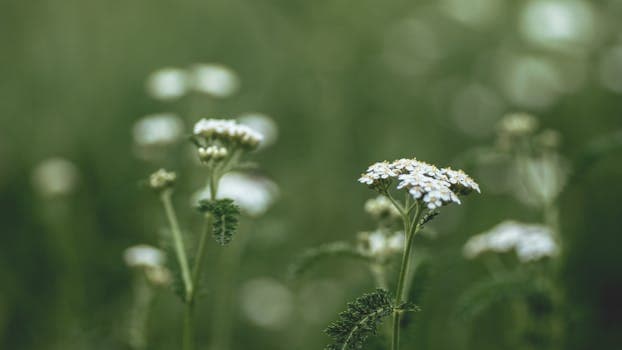
- Native plantings Choose native species that provide food and shelter for local birds and insects while requiring low maintenance.
- Water management Install shallow, clean water features with safe margins to prevent drowning of small animals and pets.
- Waste and attractants Manage pet waste and avoid leaving food scraps that attract wildlife at night.
- Supervised outdoor time Prolong pet safety with structured outdoor sessions and enrichment indoors when wildlife activity peaks.
Practical Examples for Different Yard Sizes
Whether you live in a compact urban yard or a large rural property, practical examples can guide your actions. Below are actionable ideas tailored to common home setups.
Urban or Small Backyard
Focus on vertical habitat features such as trellises with climbing native plants, compact bird friendly planters, and safe ground cover around the perimeter. Install a humane, escape proof enclosure for small mammals used only during supervised outdoor time with your dog. Place bird feeders at least ten feet from pet zones to minimize chase incidents.
Suburban Lawn with Trees
Utilize understory plantings beneath trees to create shade and insect habitats. Install a shallow wildlife pond or a damp area with marsh grasses. Use a bark mulch that discourages pests while offering foraging opportunities for beetles which birds rely on. Keep cats indoors during peak bird activity times to reduce predation risk.

Rural Property with Open Space
Create larger wildlife corridors by maintaining hedgerows and native grass margins. Establish a wildlife friendly buffer around the house that blends into the landscape. Use escape oriented play areas for dogs and limit off leash time to designated zones that fade into natural habitat rather than into it.
Pet Safety and Wildlife Health Considerations
Safeguarding both pets and wildlife requires attention to disease transmission, chemical use, and humane interactions. Here are critical safety points to follow.
- Vaccinations and parasite control Keep pets up to date on vaccines and parasite prevention to reduce disease spread to wildlife.
- Chemical stewardship Avoid lawn pesticides and rodenticides that can harm wildlife through secondary exposure. Opt for integrated pest management and natural repellents when appropriate.
- Non lethal deterrents Use motion activated lights or gentle deterrents to discourage wildlife from entering the home area without harming them.
- Handling encounters If you encounter injured wildlife or an animal in distress, contact local wildlife rehabilitators or authorities for proper guidance.
How to Engage Children and Pets in Wildlife Friendly Habitats
Education is a powerful driver of long term stewardship. Involve family members by turning habitat improvements into learning and family projects. Build simple observation stations with safe viewing points and keep a log of wildlife sightings to foster curiosity and responsibility.
Common Myths About Pets and Wildlife Debunked
Myths can hinder practical progress. We address several common misconceptions with evidence based guidance.
- Myth 1 Cats cannot be kept indoors without harming wildlife. Fact: Cats can be trained to enjoy enclosed outdoor spaces that still protect birds and small mammals.
- Myth 2 Feeding wildlife will make them dependent. Fact: Structured feeding and appropriate food types can stabilize wildlife populations and reduce risky foraging around homes.
- Myth 3 All wildlife is dangerous. Fact: Most wildlife avoids humans when given space and a safe habitat network.
How to Measure Success
Tracking progress helps validate your actions. Consider these metrics: number of wildlife sightings, reduced pet wildlife conflicts, and fertility of native plant patches. Regularly review and refine your habitat plan to sustain improvements year after year.
Long Term Stewardship and Community Involvement
Protecting local wildlife is a community endeavor. Share your habitat improvements with neighbors and participate in community conservation programs. Community gardens, local schools, and wildlife watch groups offer opportunities to learn, collaborate, and amplify impact.
Conclusion and Call to Action
Creating pet friendly habitats is about balance and practical action. By assessing your space, applying barrier and native plant strategies, ensuring safety, and engaging your family, you can protect local wildlife while enjoying enriched moments with your pets. Start with a simple plan today, implement one or two habitat features this season, and build from there. Your yard can become a thriving sanctuary for wildlife and a safe playground for your companions.
Frequently Asked Questions
How can I start making my yard more wildlife friendly with pets present Begin with a wildlife survey and a single protective barrier around a portion of the yard. Add native plants and a safe water source, then adjust based on pet behavior and wildlife activity.
Are bird feeders safe if I have cats Yes, but place feeders high and away from cat access. Use baffles and attract birds that can tolerate yard conditions while supervising pets outdoors.
What is the best way to manage dog and cat time outdoors to protect wildlife Designate supervised play zones, use leashes when required, and create quiet wildlife corridors away from pet paths to minimize conflicts.