Home
Home
Why Your Home Matters for Local Wildlife
Our backyards, balconies, and indoor spaces are more connected to the wider ecosystem than many pet owners realize. Small actions taken at home can reduce stress on wild animals, prevent harm, and support the health of local species. When pets roam indoors or out, they can inadvertently become hazards to birds, amphibians, reptiles, and mammals that share the neighborhood. As a pet owner, you have a meaningful opportunity to create safe spaces that respect wildlife while keeping your companions happy and healthy.
This guide is written for practical, ongoing changes you can implement today. You’ll find simple adjustments to routines, spaces, and routines that collectively create a kinder, safer environment for local wildlife without compromising the bond you share with your pets.

Understanding Local Wildlife: Common Neighbors and Their Needs
Most neighborhoods host a mix of birds, small mammals, amphibians, and insects that rely on habitats provided by yards, parks, and green corridors. Birds may nest in shrubs or under eaves, while pollinators like bees and butterflies rely on flowering plants. Amphibians such as toads and salamanders use damp areas and leaf litter. Each species has particular needs for shelter, food, and safe passage through human spaces.
Recognizing that wildlife occupy different spaces at different times of the year helps you tailor your home to support them. For example, birds may need safe flight paths through hedges, while ground-dwelling animals require sheltered corners that are undisturbed by routine cleaning or mowing. When you design with wildlife in mind, you reduce conflict with pets and protect vulnerable species during sensitive life stages.
Habitat Enhancements You Can Implement
Small habitat tweaks can yield big benefits. Start with plant choices that provide food and shelter while remaining safe for your pets. Native plants often support local insects, which in turn sustain birds and small mammals. A mix of evergreen and deciduous options creates year-round shelter and foraging opportunities.
Consider installing sheltered spots around your yard—log piles, rock stacks, or brush piles—that provide cover for hedgehogs, salamanders, and beneficial invertebrates. If you garden, avoid crushing ground-nesting insect habitats during mowing or garden cleanup. These tiny spaces can be crucial stepping stones for wildlife as they move across neighborhoods.
Pet Management: Keeping Pets Safe Without Shutting Down Wildlife
Regular routines can be adjusted to minimize encounters that stress wildlife or put them at risk. Leash training and supervised outdoor time reduce the chances of chasing or injuring wild animals. If you have a terrier or a high-energy breed, structured play indoors or in a securely fenced yard can channel energy without creating conflicts with wildlife.
For cats, outdoor access is a common source of wildlife encounters. Consider supervised outdoor time, catios, or enclosed enclosures that let cats enjoy the outdoors while preventing hunting. If you opt for leash-walking a cat, choose quiet routes with minimal wildlife at dawn or dusk when wildlife activity is highest.
Safer Food Practices: What to Feed and What to Avoid
Feeding pets indoors is generally okay, but feeding wildlife is another matter. Leaving food outdoors can attract wildlife that may then become habituated to human proximity, leading to dangerous situations for both animals and pets. Secure trash cans with wildlife-proof latches and avoid leaving pet food outside for extended periods. A little planning goes a long way toward keeping wildlife wild and wary of human contact.
Be mindful of ornamental ponds or water features. Standing water can attract amphibians and container-breeding insects. Use ponds with gentle edges and escape routes if you want to invite wildlife to take a drink while ensuring your pets cannot chase or disturb them. If you notice birds drinking from your birdbath, make sure there are safe perches nearby and nearby vegetation that provides cover from predators.
Protecting Birds From Domestic Pets
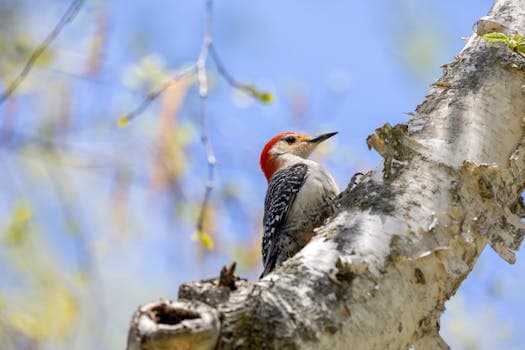
Birds face unique risks from household pets, particularly cats and certain dog breeds. Even well-meaning pets can injure or kill birds that venture into your yard or home. Simple strategies help, such as placing bird feeders away from windows and using feeders designed to deter dogs and cats. Position feeders at a height and angle that makes direct access by pets difficult while still offering a clear, safe view for birds.
Windows pose a different hazard. Birds may collide with glass due to reflections of trees or sky. Apply window decals or use interior screens to reduce strikes. If you notice frequent near-misses, temporarily relocate bird feeders or create a buffer zone with plants that help break up reflections and provide cover for birds as they approach feeders.
Water, Shelter, and Safe Corridors
Water features can attract wildlife but must be managed to avoid becoming hazards. A clean, shallow dish with sloping edges offers a safe drinking option for birds and small mammals. Change the water regularly to prevent mosquito breeding and algae growth. For ponds, ensure there are escape routes and shallow edges where wildlife can climb out if they fall in.
Shelter should be placed in ways that support wildlife without giving predators easy access to pets. Use plantings and structures that create vertical and horizontal complexity. Rails, logs, and dense shrubs can serve as cover for small amphibians and mammals while giving birds nest sites that are safely out of reach from domestic animals.
Seasonal Responsibilities: Adjusting For Wildlife Cycles
Wildlife activity shifts with the seasons. Spring brings nesting and feeding bursts for birds and early insects, while summer can stress wildlife due to heat and drought. Fall and winter often drive animals to seek shelter and food more aggressively. Adapting your routines to these cycles helps reduce conflict and supports wildlife health year-round.

During nesting season, give birds extra space and avoid trimming hedges or disturbing potential nests. In drought periods, consider planting native species that tolerate dry conditions and provide reliable forage. When cold weather arrives, ensure outdoor animals have sheltered microhabitats and access to unfrozen water sources.
Education and Community: Spreading Helpful Habits
Talking with neighbors about wildlife-friendly practices multiplies the impact. Share simple tips like securing trash cans, planting native vegetation, and supervising pets during outdoor adventures. If you notice repeated wildlife conflicts in your area, contact local wildlife organizations or humane societies for guidance on humane deterrents and safe intervention strategies.
Science-backed resources help you stay current with best practices. For example, practical guidelines about responsible turtle handling and releases can shape how you think about outdoor pet spaces and wildlife interactions. Following guidelines for releasing turtles into the wild can be a helpful reference when considering whether a pet enclosure or garden feature is appropriate for local species.
Case Studies: Real-Life Scenarios From Pet-Friendly Homes
One neighborhood saw a sharp decline in bird strikes after installing window decals and relocating bird feeders away from glassy surfaces. Another household transformed a bare fence line into a wildlife-friendly corridor with native plants and shaded resting spots. In both cases, pet owners reported fewer chase incidents and a calmer household atmosphere as wildlife adopted the new patterns and habitats around the home.
These examples illustrate that small, consistent changes can yield notable improvements. You don’t need a full-scale habitat renovation to make a difference; even modest changes contribute to a wider network of safe spaces for wildlife while keeping your pets engaged and content.
Common Myths and Misconceptions
Myth: Wild animals will become pests if you don’t chase them away. Reality: Most wildlife avoids humans when given space and secure habitats, reducing the need for constant deterrence.
Myth: Feeding wildlife is always beneficial. Reality: Supplemental feeding can alter natural foraging behavior and increase reliance on human sources, which may lead to conflicts or health issues.
Myth: Pets and wildlife can co-exist without any adjustments. Reality: Thoughtful planning around access, space, and routines dramatically improves coexistence and reduces negative interactions.
Practical Checklists to Get Started
Use these quick checklists to guide your next week’s improvements. They’re designed to be approachable for busy households while delivering meaningful wildlife protection.
- Evaluate outdoor space: Are there safe flight routes for birds? Is there dense cover for small mammals that isn’t easily accessible to house pets?
- Adjust feeding practices: Move pet bowls indoors and secure trash bins with wildlife-proof lids. If you have a water feature, ensure it includes gradual entry points and clean water access.
- Manage pet access: Consider a cat enclosure or leash options for cats. Teach dogs basic recalls and limit unrestricted yard time during peak wildlife activity periods.
- Enhance habitat with native plants: Choose species that provide food and cover for local wildlife and require minimal maintenance.
- Practice window safety: Apply bird-friendly window treatments to reduce collisions and protect birds during busy spring migrations.
When to Involve Professionals
If you notice harmful wildlife behavior or repeated conflicts that you can’t safely manage, consult local wildlife rehabilitators, humane societies, or licensed veterinarians. They can offer site-specific advice and humane intervention strategies that align with local regulations and species health considerations.
In some areas, wildlife management rules govern how you respond to nesting birds, protected species, or wildlife that uses your property as habitat. Understanding these local rules helps you implement wildlife-friendly practices legally and effectively, while keeping your pets safe and engaged in positive activities at home.
Closing Thoughts: A Shared Responsibility
Protecting local wildlife starts with small, intentional actions at home. By designing spaces that invite safe wildlife passage, managing pet behavior, and staying mindful of seasonal cycles, you create a more harmonious neighborhood where pets and wild neighbors can thrive side by side. The effort is ongoing, but the rewards are tangible: calmer pets, healthier wildlife, and a neighborhood that models coexistence for others to follow.
For those curious about how specific wildlife interactions work in practice, there are practical discussions about turtle handling and aquatic safety that can inform your approach to garden ponds and wildlife-friendly water features. Understanding the nuances behind these topics helps you craft spaces that protect creatures both large and small, without compromising your pets’ well-being.