Home
Home
Introduction
How can ordinary pet owners make a lasting difference for local habitats while keeping their companions safe and happy? The answer lies in practical, everyday actions that protect wildlife and preserve ecosystems in neighborhoods, parks, and backyards. This article provides clear steps, real world examples, and actionable tips that you can start using today to safeguard local habitats for both pets and wildlife alike. By adopting habitat friendly practices, you reduce conflict with wildlife, lower disease risk, and help maintain the balance of local ecosystems that pets rely on for enrichment and safety.
What is habitat protection and why does it matter for pets and wildlife
Habitat protection is the set of actions that preserve the places where animals live, feed, and reproduce. It is not a distant project; it happens in yards, streets, and community spaces. For pet owners, this is crucial because pets interact with wildlife daily. Dogs may disrupt nesting birds or chase small mammals, while cats can impact local bird populations if allowed to roam freely. When habitats are degraded, wildlife food sources decline, water quality worsens, and disease risks rise for both pets and wildlife. Effective habitat protection means creating safe, inviting spaces for wildlife while ensuring pets remain safe and under control.

Key principles for protecting local habitats when you own a pet
Protecting habitats starts with simple, repeatable practices. First, know your local ecosystem and the species most likely to use your area. Second, create pet friendly zones that do not intrude on wildlife corridors or nesting sites. Third, minimize attractants that draw wildlife into human spaces. Fourth, maintain a routine of cleanup and monitoring to spot issues early. These principles are practical and scalable from urban apartments to large rural properties.
How to reduce conflicts between pets and wildlife with practical steps
Conflict reduction is the most immediate benefit of habitat protection. The following steps offer concrete actions you can implement in weeks rather than months. Start with a quick assessment of your property and neighborhood to identify risk points where wildlife and pets interact most often.
- Secure trash and food sources: Use wildlife proof containers and store pet food indoors to avoid attracting raccoons, skunks, oropossums which can habituate to human activity.
- Create safe pet zones: Design fenced play areas or leash led zones to keep pets away from sensitive habitats and nesting sites.
- Keep cats indoors or on leash: Indoor cats or supervised outings reduce hunting pressure on birds and small mammals while keeping cats safe from traffic and predators.
- Leash smartly and plan routes: Choose routes that avoid known wildlife corridors and peak activity times such as dawn and dusk.
- Provide enrichment away from wildlife: Offer indoor or enclosed outdoor enrichment for pets to satisfy energy needs without disturbing habitats.
By following these steps you create a win win situation where pets stay safe and wildlife are less disrupted. Regular practice also builds a habit for family members and visits to ensure consistency across days and seasons.
Habitat friendly landscaping ideas for pet owners
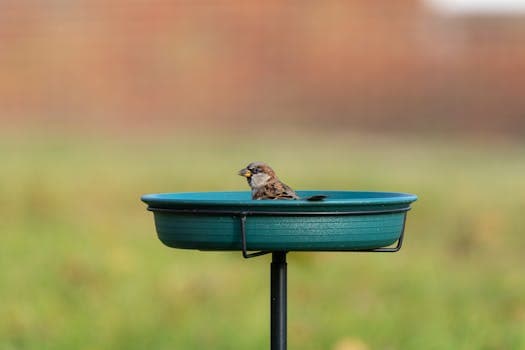
Landscaping can be a powerful tool for habitat protection. The right design adds beauty to your property while providing shelter, food, and water sources for wildlife without compromising pet safety. Consider native plantings that support local pollinators and birds. Use layered vegetation to create microhabitats such as hedgerows for birds and brush piles for small mammals. Water features can attract wildlife, but they should be safe for pets and designed to prevent drowning or entanglement. For example, use shallow bird baths with sloped edges and secure fencing around ponds. Mulch choices should be non toxic and kept away from pet chew zones to prevent ingestion hazards.
Water and feeding practices that protect local habitats
Water sources in urban and suburban areas can become focal points for wildlife. Simple steps help maintain water quality while reducing disease risk. Always provide fresh water for pets and wildlife in separate containers to minimize cross contamination. Avoid feeding wildlife directly as this can habituate animals to human presence, increase disease transmission, and attract predators. If you host a bird feeder, choose weather resistant feeders and clean them regularly to prevent mold and parasite buildup. Clean water features weekly and ensure drainage prevents mud and algae growth that can harm both pets and wildlife.
Safe wildlife watching and education for families
Education is a powerful tool for long term habitat protection. When families learn about the species that share their neighborhoods, they become advocates for humane and sustainable practices. Turn wildlife watching into a learning opportunity by scheduling brief, observational sessions where children can document bird songs, track animal signs, or count butterflies. Use locally appropriate field guides and citizen science apps to report sightings. This increases community awareness and builds local evidence that supports habitat protection initiatives.
How to create a habitat friendly home for birds and small mammals
A habitat friendly home provides shelter, food, water, and safe passage for wildlife while reducing risks to pets. Start by assessing danger points such as unsecured trash, accessible gardens, and unprotected pond edges. Then implement shelter options such as brush piles, rock piles, and native plant shrubs that offer cover for small animals. Planting nectar sources like native flowering perennials can attract pollinators and birds. Install nest boxes properly and ensure predators cannot access them. Finally, create quiet zones where wildlife can retreat without constant pet observation or human disturbance. A balance between pet space and wildlife habitat can be achieved by clearly marking zones and using physical barriers when needed.

Safe fencing and enclosure strategies for pet and wildlife protection
Fencing is a cornerstone of habitat protection. It should be robust enough to keep pets in while allowing wildlife to pass through natural corridors where possible. Consider multi level fencing that prevents digging and climbing for dogs while using wildlife friendly gaps for small mammals and reptiles. If you have cats, a catio or secure outdoor enclosure offers a safe alternative to free roaming. Ensure gates close securely to prevent accidental escapes and consider using motion sensors or cameras to monitor entry points and deter predators. Regular fence maintenance is essential to prevent gaps that could allow wildlife to become trapped or distressed.
Seasonal considerations and ongoing maintenance
Habitat protection is not a one off effort; it requires seasonal attention. In spring, bird nesting sites are most sensitive, so minimize disturbances and avoid major landscape changes. In summer, keep water sources clean and provide shaded areas to prevent overheating for pets and wildlife. In fall, prepare for migration and food scarcity by leaving some seed producing plants and maintaining shelter. In winter, ensure pets have warm safe spaces indoors and stock up on appropriate feeds for wildlife that may be starved by harsh weather. Regular maintenance tasks, such as trash management, plant pruning, and habitat audits, should be scheduled and documented to maintain progress year after year.
Engaging your community to protect local habitats
Community involvement magnifies the impact of individual actions. Share your habitat protection plan with neighbors, local schools, and veterinary clinics. Organize a neighborhood walk to observe wildlife, discuss safety tips for pets, and distribute educational materials. Create a simple action guide that includes how to secure trash, how to design pet friendly outdoor spaces, and how to report wildlife conflicts responsibly. When communities cooperate, habitat corridors are preserved, and the risk of wildlife casualties or pet related incidents declines significantly.
Practical checklist for pet owners to protect local habitats
The following checklist condenses the most impactful actions into a practical, reusable framework. Use it monthly to track progress and celebrate milestones with your family and pets.
- Assess your property for wildlife corridors and nesting sites
- Install wildlife friendly fencing and secure pet containment zones
- Switch to wildlife proof trash containers and store pet foods indoors
- Plant native species and create layered habitats
- Provide clean water sources and avoid direct feeding of wildlife
- Introduce safe enrichment and indoor alternatives for pets
- Educate household members and involve children in monitoring
- Engage neighbors and local groups to foster community support
Conclusion
Protecting local habitats for pets and wildlife is a practical, ongoing effort that benefits every member of the community. By combining thoughtful landscaping, careful pet management, safe water and feeding practices, and community engagement, you create a resilient environment where pets thrive and wildlife can flourish. Start with small, repeatable steps today and build a habit that scales across seasons and years. Your home can become a model for humane coexistence and environmental stewardship.
Frequently asked questions
Can I let my dog roam freely if I have wildlife nearby
Free roaming dogs can disrupt wildlife and risk their own safety. Use leashed walks and fenced play areas to reduce conflicts.
Are bird feeders bad for pets
Bird feeders can attract animals that may attract predators or pests. Keep feeders away from pet zones and clean them regularly to prevent disease spread.
What plants are best for wildlife friendly yards
Native plants that provide nectar, seeds, and shelter are ideal. Choose a mix of flowering perennials, shrubs, and grasses to support birds, pollinators, and small mammals.