Home
Home
Introduction
Pet owners often overlook the impact their own homes have on local wildlife and the broader ecosystem. Protecting habitat at home is not only about keeping animals safe; it is about creating a welcoming space for pets and wildlife alike that reduces conflicts and supports biodiversity. In this guide, you will learn practical steps to shield vulnerable habitats, prevent harmful interactions, and foster harmony between your pets and the natural world right where you live.
What is Habitat Protection and Why It Matters for Pet Owners
Habitat protection and restoration are actions that sustain the natural spaces nearby while ensuring pets remain safe and well cared for. Habitat protection at home means designing yards and indoor spaces that minimize hazards for wildlife and maximize opportunities for safe wildlife viewing. It also means creating boundaries that reduce predation risks for birds and small mammals, while giving pets room to explore without unintended harm. This approach benefits pets by lowering disease exposure, reducing escapes, and improving overall well being.

Assessing Your Home Habitat for Pets and Wildlife
Begin with a simple assessment of how your property interacts with the local ecosystem. Identify potential hazards such as toxic plants, open water features, and inaccessible attic or crawl space gaps that could trap or injure wildlife or pets. Consider the frequency of wildlife activity in your yard and nearby greenspace, including birds, critters, and insects that play essential roles in the food chain. When you know where problems commonly occur, you can prioritize improvements that yield the greatest protective benefit for both pets and wildlife.
Common Hazards and Practical Fixes
- Untreated standing water: risks mosquito breeding and drowning. Fix with safe drainage and secure water features.
- Toxic plants and chemicals: many common yard plants are hazardous to small animals. Replace with pet safe options and store fertilizers securely.
- Gaps and access points: open foundations, sheds, and fences allow escapes or wildlife predation. Seal gaps and install cat proof fencing where needed.
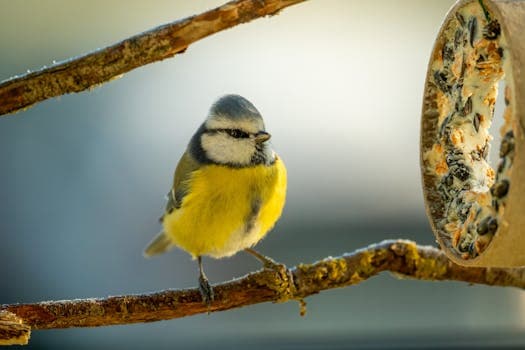
- Bird feeders and picnicking zones: can attract pests if not managed. Use longlasting, wildlife friendly feeders and clean areas regularly.
- Outdoor lighting: bright lights can disrupt wildlife and confuse pets. Use shielded, motion sensitive lighting and dim zones.
Strategies to Create a Pet Friendly and Wildlife Friendly Yard
Balancing the needs of pets and wildlife requires intentional design. Adopt layered zones in your yard that provide safe spaces for pets to roam while offering refuge and foraging opportunities for wildlife. Use native plants to support local ecosystems, provide shelter with brush piles and hedgerows, and design water features that are safe and accessible for wildlife but not a hazard for pets. Remember that even small changes can have meaningful ecological impact.
Zoning and Landscaping for Harmony
- Define activity zones: designate play areas for pets away from wildlife hotspots. Create buffer zones with low fencing and visual barriers to reduce pursuit instincts.
- Choose native vegetation: native plants support local insects, birds, and small mammals. They require less water and maintenance than invasive species.
- Provide wildlife shelter: install brush piles, rock piles, and native brushy hedges that offer shelter and nesting sites for beneficial species.
- Water features with safety in mind: install shallow, clean, and fenced water sources that wildlife can use but pets cannot access easily.
- Food safety and manageability: keep pet feeding areas separate from wildlife attractants and clean up promptly to avoid attracting predators or disease vectors.
Protecting Birds and Small Mammals from Pets
Birds and small mammals face the greatest risk from domestic pets, especially cats and dogs. Protecting these species begins with prevention, then with safe interaction guidelines that allow observation without disruption. Use bird friendly landscapes that reduce predation opportunities while still letting you enjoy wildlife experiences. In some cases, cat containment is essential to prevent predation on local birds and mammals. Fence solutions, harness training for cats, and supervised outdoor time can dramatically reduce harm while preserving your pet experience.
Practical Scenarios and Management Tips
- Cat safe outdoor time: train cats to walk on a harness and leash or create an enclosed catio to prevent hunting while still allowing outdoor exposure.
- Dog supervision: supervise dogs outdoors, especially around bird feeding zones and nest areas. Use cue training to discourage chasing and sniffing wildlife that could lead to bites or disease spread.
- Bird friendly yards: avoid window collisions with decoys and reflectors; install netting on fruit trees during fruiting seasons and place feeders away from windows.
- Nesting success support: keep cats indoors during nesting season and provide safe, shaded shelter for birds and small mammals in the yard.
Water Management and Habitat Health
Water is a critical resource that supports both pets and wildlife. Responsible water management prevents disease vectors, supports plant health, and reduces resource competition. Create water features that are safe for wildlife yet secure from pet interference. Clean, refreshed water sources encourage birds and small mammals to visit, while reducing the temptation for animals to drink from disease-laden or stagnant water sources inside your home.
Water Feature Design Tips
- Shallow and accessible: shallow ponds with gradual edges reduce drowning risk for wildlife and allow easier access for pets to drink.
- Filtration and cleanliness: keep water clean with simple filtration and regular draining to prevent algae growth and mosquito breeding.
- Seasonal management: remove leaves and debris seasonally to prevent stagnation; provide shade to reduce evaporation and heat stress.
Healthy Landscaping for Insects and Pollinators
Insects are a crucial part of the ecosystem and support wildlife as a food source. A yard that supports pollinators also provides natural pest control through bird and insect predators. Plant a variety of flowers that bloom across seasons, avoid pesticides that harm beneficial insects, and install nesting opportunities for bees and butterflies where appropriate. A healthy insect population is a sign of a thriving habitat and benefits your pet by reducing pest pressures and supporting a balanced garden ecosystem.

Planting for Pollination and Pest Control
- Choose diverse plantings: include native perennials that bloom at different times for continuous nectar sources.
- Avoid broad spectrum pesticides: opt for integrated pest management and organic controls when possible.
- Provide habitat features: install bee hotels, lastingly woody branches, and sheltered flower beds for nesting and shelter.
- Water for wildlife: add shallow water dishes or bird baths that are easy to clean and keep safe for pets.
Safe Practices for Domestic Pets and Wildlife Interaction
Direct interaction between pets and wildlife should be minimized to protect both groups. Positive reinforcement training helps pets learn to ignore wildlife while still enjoying companionship with humans. Create routines that reduce chasing instincts, and provide enrichment activities indoors or in enclosed outdoor spaces. When you observe wildlife behavior in your yard, practice quiet observation to avoid startling animals and to allow them to forage safely.
Training and Enrichment Strategies
- Reward based training: use treats to reinforce calm behavior around wildlife zones and during yard play.
- Indoor enrichment: rotate toys, provide puzzle feeders, and use scent games to engage dogs and cats indoors when wildlife activity is high outside.
- Supervised access: if allowing outdoor time, ensure clear boundaries and monitoring to prevent harm to wildlife and pets alike.
Winter and Seasonal Considerations
Seasonal changes alter wildlife behavior and pet safety. In winter, shelter becomes crucial for wildlife and warmth for pets. Provide sheltered resting spots away from cold winds and ensure that outdoor spaces remain safe and functional. In spring and summer, be mindful of breeding seasons for birds and mammals and adjust yard access accordingly to minimize disruptions.
Seasonal Action Checklist
- Winter: provide insulated shelter, ensure water sources do not freeze, and reduce outdoor exposure for pets during cold spells.
- Spring: maintain nesting habitats, reduce lawn mowing during nesting peaks, and protect bird nests from disturbance.
- Summer: provide shade, water, and cooler resting areas for wildlife and pets; use safe repellents if necessary to deter wildlife from entering high risk zones.
Community and Policy Considerations
Habitat protection at home benefits from community engagement and awareness. Share best practices with neighbors, participate in local conservation programs, and advocate for wildlife aware policies that protect habitats around residential areas. Collaboration can lead to safer corridors for wildlife and a healthier environment for pets across neighborhoods.
Ways to Get Involved
- Neighborhood wildlife walks: organize guided tours to observe local species and discuss habitat protection strategies.
- Volunteer with local groups: help with habitat restoration projects in parks and along waterways that connect to residential areas.
- Public education: share practical tips on responsible pet ownership that protects wildlife and reduces conflict.
Conclusion
Protecting habitat for pets and wildlife at home is a practical, ongoing effort that benefits all living beings. By assessing hazards, designing pet friendly and wildlife friendly spaces, managing water and vegetation, and promoting safe interaction, you can create a balanced environment where pets thrive and wildlife flourishes. Start with small changes, such as sealing gaps, increasing native plantings, and implementing a water feature that serves both pets and wildlife, and then expand your efforts over time. Your home can become a living example of coexistence that supports health, safety, and biodiversity in your community.