Home
Home
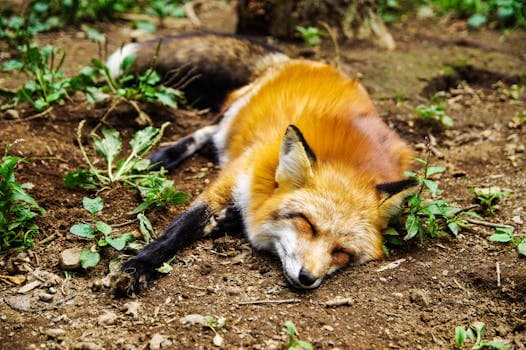
Arctic tundra foxes are iconic indicators of a fragile northern ecosystem. While most pet owners focus on domestic companions, the health of wildlife like the Arctic fox directly impacts the balance of habitats that also influence our pets’ environment. Climate shifts threaten foxes’ denning sites, prey availability, and migration patterns. Understanding these pressures helps pet owners support wildlife protection, even from home far from the Arctic coast.
In this guide, you’ll find practical steps you can take now to support Arctic tundra foxes and the broader tundra ecosystem. The advice blends science, everyday pet ownership, and community action so you can translate concern into action without needing specialized equipment or travel to the Arctic.
What Arctic Tundra Foxes Face Today
The Arctic tundra is a landscape of permafrost, short growing seasons, and a delicate balance between predators and prey. Foxes rely on lemmings, voles, and small birds during the winter, and berries and nesting birds in the short summer window. Climate shifts disrupt this rhythm by changing snow depth, altering prey cycles, and enabling the incursion of warmer species that compete with foxes for food.

Shifts in temperature also affect den sites. A deeper or thinner snowpack, depending on the year, can influence foxes’ ability to insulate young. When dens collapse or become exposed, fox kits face higher risks. Even small changes in timing – when prey populations peak or when snow melts – can cascade through the ecosystem and ripple outward to affect fox behavior and survival.
For pet owners, these ecological changes can feel distant. Yet the connection is real. As climate shifts reshape the Arctic, the surrounding ecosystems that influence our global climate – relative to human health, agriculture, and pet care – also respond. Supporting robust habitats, even from afar, helps sustain healthier environments for wildlife and for pets living in a changing world.
Climate Shifts and Fox Habitats
Two main climate dynamics are shaping the Arctic: warming temperatures and changes in seasonal timing. Warmer winters can reduce the insulating snow cover foxes rely on to camouflage their dens and protect kits. Earlier springs shift the availability of prey, sometimes causing foxes to adjust hunting strategies and home ranges. In some years, ice retreat along coastal areas forces foxes to travel further inland or adapt to different prey species.
Another effect is increased human activity in previously remote areas. As permafrost thaws, new routes for mining, shipping, and tourism appear. This can fragment habitats and create conflicts between wildlife and human infrastructure. While not every community sits on the Arctic coast, nearby towns and agricultural lands can still influence tundra ecosystems through runoff, pollution, and road networks that alter animal movement patterns.
Climate shifts also interact with disease dynamics. Warmer temperatures can allow pathogens or parasites to survive in greater numbers or for longer periods, posing additional risks to fox populations and their prey chains. Monitoring and supporting wildlife health at the ecosystem level becomes important when considering the resilience of Arctic foxes to a warmer world.
Why this matters for pet owners
Pet owners are often guardians of local environments – our backyards, parks, and community spaces. The health of Arctic fox populations serves as a proxy for broader ecosystem health, including water quality, soil integrity, and biodiversity. When households advocate for clean waterways, responsible land use, and reduced pesticide exposure, they contribute to a healthier habitat for wildlife and, by extension, for domestic animals that share our environment.
Practical Ways Pet Owners Can Help from Home
Even if you live far from the Arctic, you can take concrete steps that support Arctic wildlife and the species that share the tundra ecosystem. Here are practical actions you can implement today.
- Support wildlife-friendly landscaping. Plant native species and avoid chemical pesticides in your yard to sustain insect populations and small mammals that foxes prey on. A yard that supports food webs benefits local predators as well as your own pets.
- Reduce pesticide use and runoff. Choose natural pest management strategies and properly dispose of chemicals to protect waterways that eventually connect to far-flung ecosystems. Cleaner waterways support a healthier landscape for wildlife and pets alike.
- Conserve water and energy. Simple steps like fixing leaks, using efficient appliances, and capturing rainwater help reduce the climate strain that can indirectly impact tundra ecosystems through broader ecological changes.
- Advocate for responsible land-use policies. Support local and national policies that minimize habitat fragmentation, protect migratory corridors, and limit pollution that travels through watershed systems to the Arctic region.
- Volunteer with wildlife organizations. Many groups work on climate resilience, habitat restoration, and public education. Look for local volunteer opportunities that align with wildlife conservation aims.
How to Engage with Your Community
Engaging neighbors, schools, and local businesses helps scale the impact. Organize a community discussion on climate resilience and local wildlife. Share practical tips for reducing household carbon footprints and promoting biodiversity-friendly practices in yards and parks.
Partner with local pet stores, veterinarians, and shelters to spread awareness. You can host a small seminar on how climate shifts influence wildlife and what responsible pet ownership looks like in a warming world. When information comes from trusted sources and is easy to act on, more people step up to help.
Cooking, Food, and Feeding Habits: A Subtle Link
In the Arctic, changes in prey availability affect fox feeding strategies. While you won’t be feeding Arctic foxes directly, you can mirror some protective factors in your own pet’s life. A balanced diet, appropriate portion control, and enrichment reduce stress for domestic animals and foster overall resilience in a warming world. Healthy pets mean fewer veterinary visits and more time and resources to devote to wildlife advocacy.
Consider how your pet’s food choices reflect broader environmental considerations. Choose brands that prioritize sustainable sourcing, transparent supply chains, and responsible manufacturing. While this is not a direct intervention for Arctic foxes, it cultivates a conservation-minded mindset that translates into supportive actions for wildlife habitats.
Key Habitats and Prey Dynamics: What to Learn for Your Pets
Understanding tundra fox habitats helps you appreciate why preserving range integrity matters for all wildlife. Arctic foxes are adaptable and opportunistic feeders. They thrive where small mammals are abundant, where denning sites provide shelter, and where seasonal shifts create predictable food cycles. For pet owners, this highlights the importance of routine, safe environments, and enrichment for your own animals – so they feel secure even as climate patterns shift globally.

Enrichment for domestic pets can reflect natural behaviors that Arctic foxes exhibit – stalking, exploring, hiding, and problem-solving. Provide puzzle feeders, seasonal toys, and opportunities for supervised outdoor exploration that mimic the cognitive and physical demands these wild animals navigate in the tundra. A well-stimulated pet is less stressed and more resilient to environmental changes that may arise in your own community.
Education and Outreach: Spreading the Message
Public awareness is a powerful conservation tool. Share articles, host screenings, or participate in citizen science projects that track local wildlife and climate indicators. Even small contributions – like logging sightings or reporting unusual animal behavior to a local wildlife center – help scientists understand how climate shifts influence animal populations.
When telling others about Arctic foxes, keep your message concrete and actionable. Emphasize practical steps people can take at home, in schools, and in neighborhoods. Clear calls to action – such as planting native species, reducing plastic waste, or supporting conservation groups – empower people to contribute in meaningful ways.
Ethical Considerations for Pet Owners
Respect for wildlife starts with ethical boundaries. Do not attempt to “rescue” wild Arctic foxes or relocate them without guidance from wildlife professionals. Disturbing a den can cause undue stress and disrupt vital life cycles. If you encounter wildlife at risk, contact local wildlife authorities or a licensed rehabilitator for safe, informed intervention.
Additionally, be mindful of pet-wildlife interactions. Responsible pet ownership includes controlling dogs on walks, securing yards, and avoiding attractants that could lead to negative encounters with wildlife. Reducing scent cues and keeping cats indoors during peak wildlife activity times helps protect both your pet and local wildlife populations.
Case Studies: Successful Community Efforts
Across different regions, communities have implemented practical conservation projects that benefit wildlife and pets alike. For example, a neighborhood initiative to restore native plantings created corridors that support pollinators and small mammals, indirectly benefiting predators like foxes. In another case, partnerships between pet stores and veterinary clinics hosted educational events on sustainable pet care, climate resilience, and wildlife protection. These stories show that small, well-coordinated actions can scale into meaningful conservation outcomes.
Public Health and Climate Resilience
Protecting Arctic wildlife dovetails with public health and climate resilience. Biodiverse ecosystems support resilient food webs, water quality, and soil health, which directly influence the safety and well-being of human populations and pets. Climate resilience planning – such as reducing heat islands, promoting sustainable transportation, and protecting water resources – contributes to a healthier environment for everyone.
For pet owners, that means broader public health benefits: fewer disease vectors, cleaner parks, and safer community spaces for walks and play. It also means more resources for veterinary care and wildlife programs that keep our shared habitats intact for future generations of both wild and domestic animals.
Can Turtles Be Part of the Story? A Related Perspective
While turtles inhabit different ecosystems, the themes of habitat protection, climate resilience, and responsible care are universal. If you’re curious about how wildlife care translates across species, consider reading practical guides on wildlife release or terrarium care. For example, discussions on can turtles be released into the wild and related questions about turtle housing can offer transferable lessons about responsible wildlife interaction and habitat ethics. can turtles be released provides context on release ethics, while turtles in terrarium care and turtles in a tank offer practical husbandry considerations. These resources illustrate how careful stewardship and proper housing choices apply across species, encouraging informed decision-making for wildlife and pets alike.
Long-Term Outlook: What a Decade of Action Could Build
Over the next ten years, a combination of habitat protection, climate mitigation, and community engagement could stabilize some of the pressures Arctic foxes face. By prioritizing habitat connectivity, supporting prey population health, and reducing human-wildlife conflicts, we can bolster resilience in tundra ecosystems. For pet owners, this translates into healthier local environments, fewer conflicts around outdoor spaces, and more opportunities to participate in meaningful conservation work.
The path forward requires collaboration: scientists, policymakers, veterinarians, educators, and everyday pet owners can all contribute. Small, consistent actions accumulate into real change, and each household has a role to play in sustaining the delicate balance of Arctic ecosystems – and the animal species that depend on them.
Final Thoughts: Your Next Steps
Start with one action you can implement this week. Whether it’s choosing pesticide-free lawn care, supporting a local wildlife charity, or hosting a kid-friendly lesson on climate resilience, every effort helps. As climate shifts continue to reshape Arctic habitats, the more we empower communities to act responsibly, the greater the protection for Arctic foxes and the broader tundra ecosystem.
Remember that responsible pet ownership and wildlife conservation go hand in hand. By prioritizing habitat health, reducing pollution, and educating others, you contribute to a safer, more resilient environment for both your pets and the wild neighbors we share the planet with.