Home
Home
Why Backyard Habitats Matter
Wildlife need safe spaces just as much as we do. A small, well-planned backyard can become a vital corridor for birds, pollinators, and small mammals, especially in urban and suburban neighborhoods. By making mindful changes, pet owners can create a welcoming environment for wildlife while keeping their own pets safe.
Protecting wildlife starts with understanding what creatures share your space and how your routines might affect them. Simple actions—like reducing pesticide use, providing water sources, and creating shelter—can have a ripple effect on local biodiversity. When wildlife thrives near homes, it often signals a healthy ecosystem that benefits everyone, including pets.

Know Your Neighbors: Common Backyard Guests
Your backyard hosts a mix of visitors depending on climate, vegetation, and water availability. Birds such as sparrows, finches, and woodpeckers may visit feeders and drink from clean water dishes. Smaller mammals, like bats and hedgehogs in temperate zones, may use quiet corners for shelter. Amphibians and reptiles also rely on moist ground cover and safe hiding spots after rain.
Recognizing these visitors helps you tailor practices to protect them. Avoid feeding wildlife beyond a balanced, species-appropriate amount, and never attempt to handle wild animals. A little observation goes a long way toward understanding nightly routines and preferred shelter sites.
Water Wisely: Safe, Wildlife-Friendly Options
Water is life for wildlife, especially during heat waves or dry spells. A shallow, wide dish with smooth edges prevents small animals from slipping in. Change the water daily to reduce algae growth and discourage mosquitoes. Consider a gently sloped area or a small ramp so creatures can exit safely.
For birds, a simple birdbath at a height that protects from predators works well. Place it away from dense shrubbery that could harbor predators, and keep it clean. If you’re curious about how water features impact certain species, you can explore practical considerations for local wildlife care and housing in terrarium contexts, which highlights how enclosure choices influence a creature’s well-being in a controlled setting.
Shelter: Natural and Humane Options
Wildlife shelters don’t have to be complicated. Leave brush piles, rock piles, and native ground cover in place to provide cover for small animals. Planting a diversity of native shrubs and perennials gives birds and insects steady resources throughout the year. If you have a pet-friendly yard, restrict access to crawl spaces beneath decks and sheds where small animals might seek refuge.
Be mindful of nesting seasons. Pet doors and windowed patios can inadvertently trap birds or mammals. Temporarily blocking access during peak nesting periods protects vulnerable families without harming your furry companions.
Gardening for Wildlife: Plants, Pollinators, and Pest Management
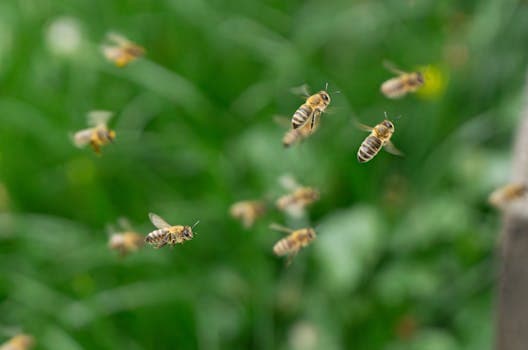
Native plants are the backbone of a wildlife-friendly yard. They provide nectar, seeds, berries, and shelter while requiring less water and fewer chemical interventions. A diverse plant palette supports pollinators like bees and butterflies, which in turn sustain birds and other wildlife through their food web interactions.
When it comes to pest management, aim for integrated pest management (IPM). Use mechanical controls first, such as hand-picking pests or installing physical barriers. If pesticides are absolutely necessary, choose targeted, low-toxicity options and apply them when wildlife is least active. This approach protects beneficial insects that support a healthy ecosystem in your garden.
Safe Encounters: Keeping Pets and Wildlife Coexisting
Pets are part of the family, but they can disrupt wildlife if not managed carefully. Supervise outdoor time and keep dogs on leashes in areas with active wildlife. Cats, especially, are natural predators, so provide enclosed outdoor spaces or supervised indoor time to reduce hunting pressure on birds and small mammals.

Consider providing a designated wildlife corner away from pet activity. A water source, a few evergreen branches for concealment, and a sheltered area can give wild visitors a safe retreat. For pet owners curious about how to handle potential turtle encounters or how to think about species-specific housing decisions, you can look at guidance on reptile welfare and proper habitat use in practical terrarium contexts.
Seasonal Changes: Adapting Your Yard Throughout the Year
Seasonal shifts require adjustments to support wildlife year-round. In spring, provide continuous nectar sources and avoid pruning during nesting periods. Summer demands reliable water sources and shade to protect wildlife from heat stress. Autumn is a time to leave leaf litter for foraging insects and shelter; simply limit heavy raking during critical wildlife activity windows. Winter, when resources are scarce, benefits from evergreen cover and sheltered microhabitats to combat cold snaps.
How to Observe Responsibly: Watching Without Disturbing
Observation is a joy, but it should never become intrusive. Use binoculars at a respectful distance and avoid following animals as they move. Quiet, patient observation supports accurate knowledge about which species frequent your yard and what resources they rely on.
If you’re curious about how housing or enclosure decisions affect wildlife, a closer look at terrarium-based environments for certain species can shed light on best practices. For instance, see discussions about whether turtles can be released into the wild, which emphasizes the importance of appropriate habitat and release strategies in wildlife decision-making.
Community and Legal Considerations: Being a Responsible Neighbor
Local rules may govern feeding wildlife, water features, and plant choices. Always check your municipal guidelines before installing large water features or maintaining bird feeders that could attract nuisance wildlife. Responsible neighbors share best practices and help protect vulnerable populations across the community.
In some regions, certain species require special protections. The goal is to coexist respectfully, ensuring that wildlife remains wild and free while pets stay safe and secure at home.
Practical Action List: Small Steps with Big Impact
Here are quick actions you can start today to protect backyard wildlife without compromising pet safety:
- Switch to native plants that require less water and support local pollinators.
- Provide a shallow, predator-safe water source and clean it daily.
- Reduce pesticide use and adopt an IPM approach for garden care.
- Install hedges or brush piles to create sheltered corridors for small wildlife.
- Keep pet feeding and watering areas separate from wildlife habitats.
- Install safe, enclosed spaces for curious pets to explore away from wildlife zones.
- Monitor nesting periods and protect bird families from disturbances.
- Create a wildlife-friendly lawn with mowed paths rather than large, uninterrupted turf.
Measuring Impact: How to Know if Your Actions Help
Observe diversity over time. A thriving backyard should show a broader array of birds, insects, and small mammals, along with quieter, healthier garden dynamics. If wildlife seems scarce, revisit plant choices, water availability, and shelter options. Small adjustments can rekindle activity and balance in your yard ecosystem.
Conclusion: Your Backyard as a Shared Home
Every pet owner has a unique space and routine. By prioritizing safe water, shelter, and plant choices, you build a durable refuge for wildlife without compromising your family’s safety or enjoyment. This collaborative approach—between people, pets, and non-human neighbors—creates a resilient landscape that sustains biodiversity, enriches gardens, and fosters kinder, more mindful living.